BD Insights
Loading...

그릿BD
주*********
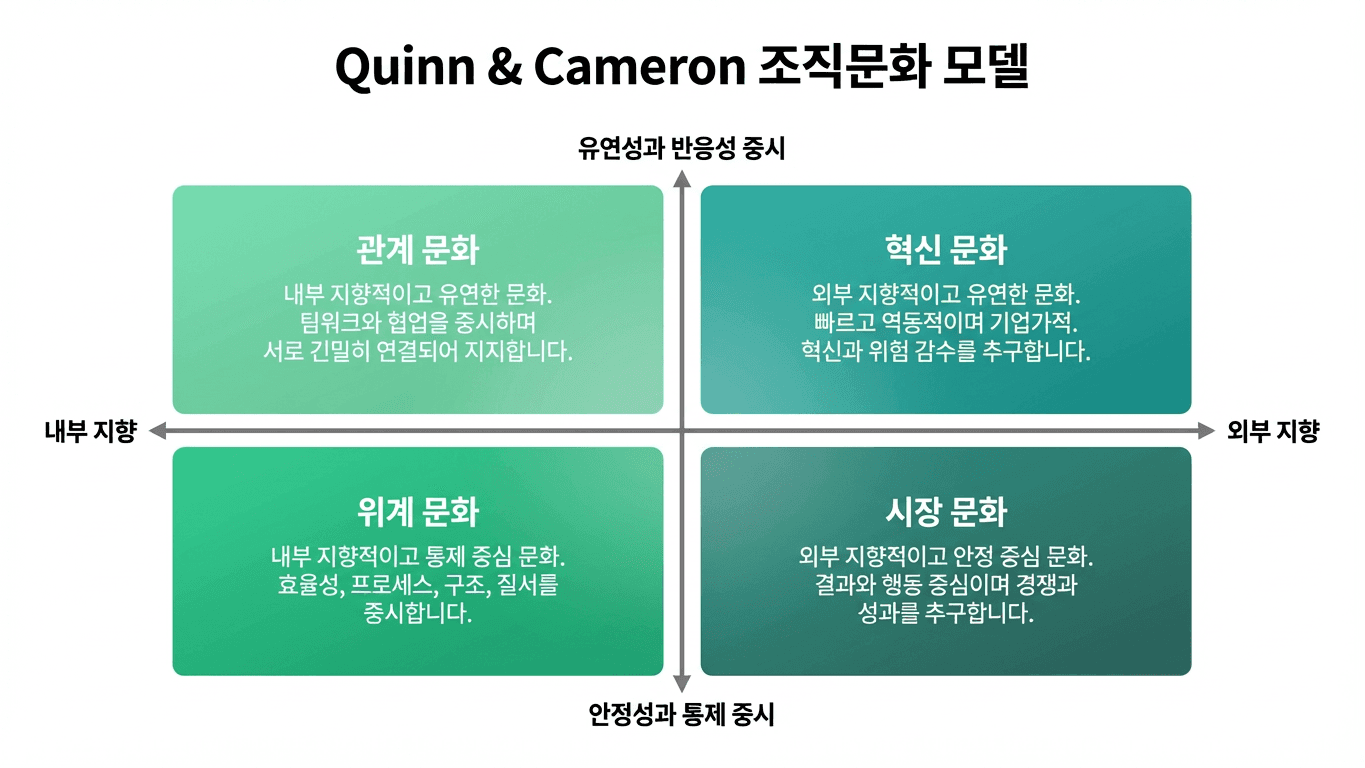
Gathering the best individuals doesn't make a team. This article outlines how to design a small but solid team using three principles—role design, execution autonomy, and communication structure—along with Quinn and Cameron's organizational growth model.

Open innovation is a paradigm that demands companies intentionally bring external ideas and technologies inside, share internal assets with the outside, and create value in order to survive and grow. In other words, it means breaking down organizational boundaries and raising the odds of innovation through active external interaction—and this clearly shows why 'absorptive capacity' is a core competitive advantage for modern startups.

Even the clearest vision remains an empty slogan without collective efficacy—the shared belief that the team can execute it. An overly grand vision can overwhelm and paralyze a team. One of a founder's most important roles is not just to articulate a vision but to design and build the team's self-efficacy.
CODEX 19. Building Problem-Solving Capability as an Organizational Competency
The startup world is a continuum of unpredictable variables. At every decision point, what we need to find isn't the 'right answer' but rather to establish 'criteria' and build a learning system for problem-solving. Problem-solving capability depends on how clearly and effectively we set these criteria.
'Establishing criteria' isn't simply listing principles—it's the process of clarifying which values to prioritize and from what perspective to view problems in complex situations.
"Should we launch or hold off?" "Should we hire more people or conserve resources?" A startup's daily life is like driving on a fog-covered road. Many founders try to dodge every obstacle with exceptional 'driving skills (intuition).' But this approach is like starting from zero before every new crisis.
To decide 'what criteria will guide this decision' before such questions, you must establish the right criteria. Without criteria for problem-solving, decisions are left to 'luck' and failures don't lead to 'learning.'
Great teams don't rely solely on driving skill. They turn the entire team into an 'autonomous driving system.' Every driving experience, especially accidents or wrong turns (failures), becomes valuable 'learning data' that improves the accuracy of the next drive. The more failure data accumulates, the more refined the team's decision-making model becomes.
Teams that survive aren't 'teams that make good decisions'—they're 'teams that accumulate every aspect of decision-making as an asset and evolve into smarter systems.'
The starting point of all problem-solving isn't finding the 'right answer' but establishing 'criteria.' Criteria are like a compass that determines which direction a ship should sail in a foggy sea. In the autonomous vehicle analogy, this is a core driving principle like "prioritize passenger safety above all else" that forms the foundation of every judgment. Without this principle, the car will drift in confusion before countless variables.
The same applies to startups. Before questions like "Is speed of market response important? Or is bug-free stability more important?" without clear criteria, success becomes 'luck' and failure doesn't lead to 'learning.'
Many founders say "I decided intuitively," but intuition alone can't explain the causal relationship of that decision to the team or reproduce the next success. Therefore, establishing 2–3 simple, clear criteria that can connect to concrete actions and results—like "contribution to reducing user churn rate" or "development resource efficiency"—is the first step in the long journey of problem-solving.
On the road, countless obstacles appear simultaneously. 'Priority' is a real-time judgment algorithm that decides which obstacles to respond to first with limited resources and which to ignore. For startups, setting priorities goes beyond 'selection and focus'—it's the skill of clearly deciding 'what to focus on' and 'what to exclude.'
The most common mistake here is thinking 'urgent tasks' are 'important tasks.' Fixing an immediate bug (urgent and important) is necessary, but designing a system that reduces the bug occurrence rate itself in the long term (important but not urgent) determines the team's future.
The Eisenhower Matrix is a powerful framework that classifies tasks into four categories based on importance and urgency, showing us where to focus.
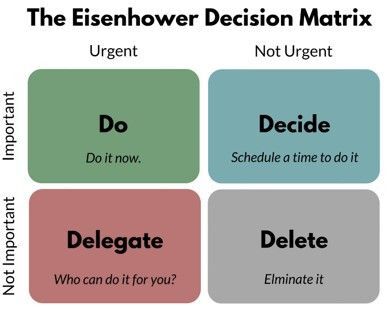
According to these criteria, we can decide which tasks to 'Do' immediately, which to 'Decide' (schedule), which to 'Delegate,' and which to boldly 'Delete.' This clear prioritization focuses the team's energy on the most important problems, creating explosive execution power that maximizes impact with limited resources.
The most powerful capability of autonomous vehicles lies in 'Fleet Learning.' When one vehicle's accident or mistake data is transmitted to a central server, all vehicles connected to the network simultaneously learn from that experience and avoid repeating the same mistake.
A startup's 'failure archive' is the core of this fleet learning. Failure shouldn't be hidden as an individual's shameful experience but accumulated as the entire organization's 'shared memory.'
Google, the icon of innovation, has a success rate of only about 50% among its countless projects. Since 2006, it has even operated a unique space called 'The Google Cemetery' that displays tombstones of discontinued services. This space honestly records numerous failed problem-solving projects with their termination dates and reasons by year. In fact, the average lifespan of Google products and services is 4 years and 1 month.
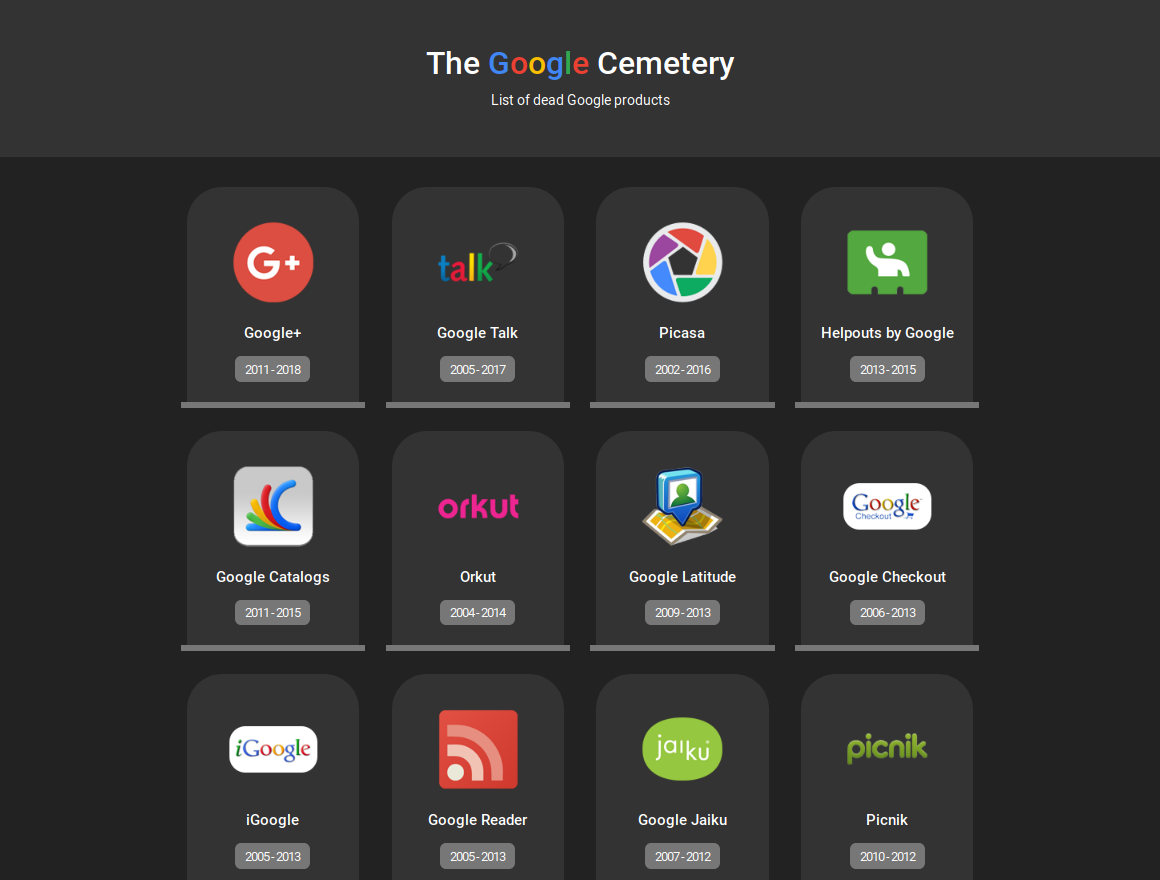
Google thoroughly analyzes these failures through post mortem. Like autopsying a body, they identify direct and indirect causes of problems, record them precisely, and establish countermeasures.
The important point here is that this process isn't about assigning blame for failure. By recording the post mortem process in a common format and sharing it throughout the organization, accumulated failure data becomes a valuable learning asset.
When all these setbacks come together, they become real 'assets.' Don't let problem-solving failures end in individual discouragement—record the criteria and priorities to transform them into organizational strength.
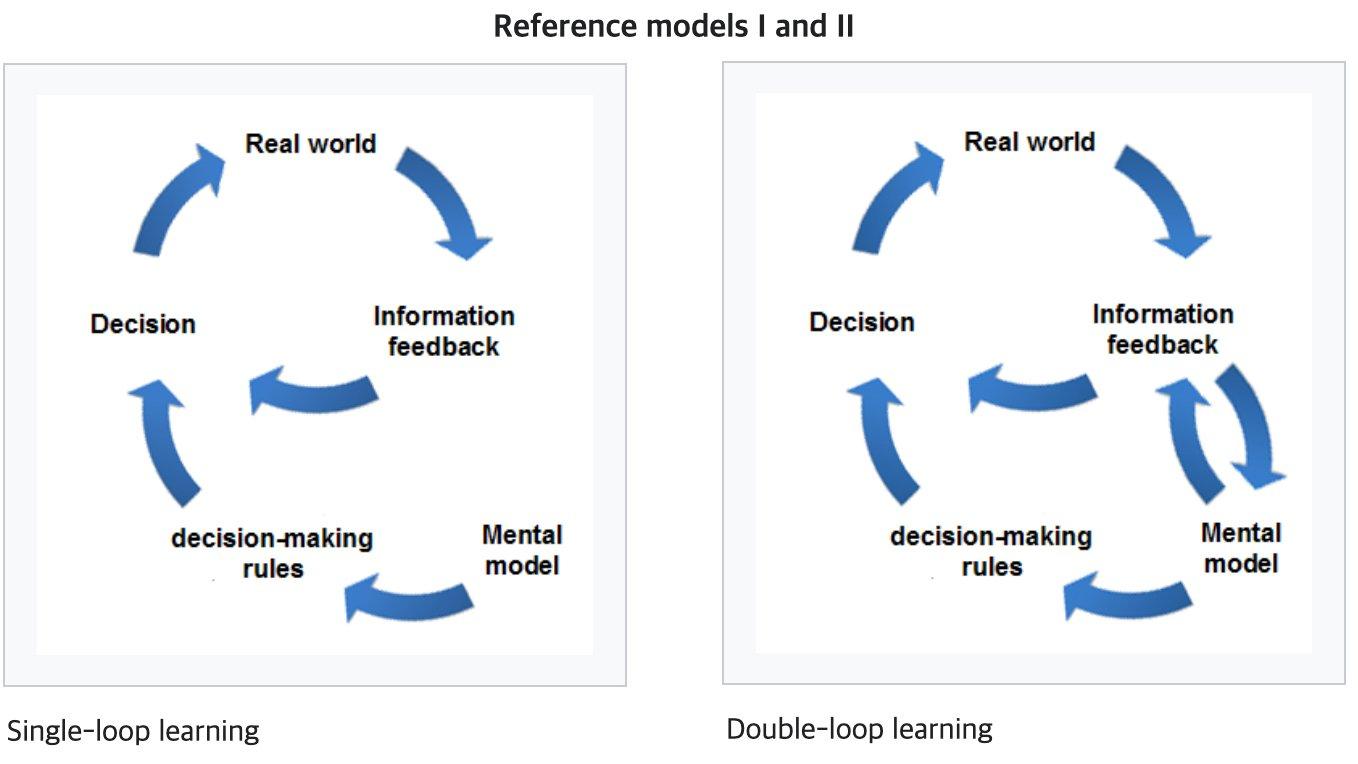
Why do some teams repeat the same mistakes while others grow dramatically through failure? Harvard professor Chris Argyris explains this difference with 'Double-Loop Learning' theory.
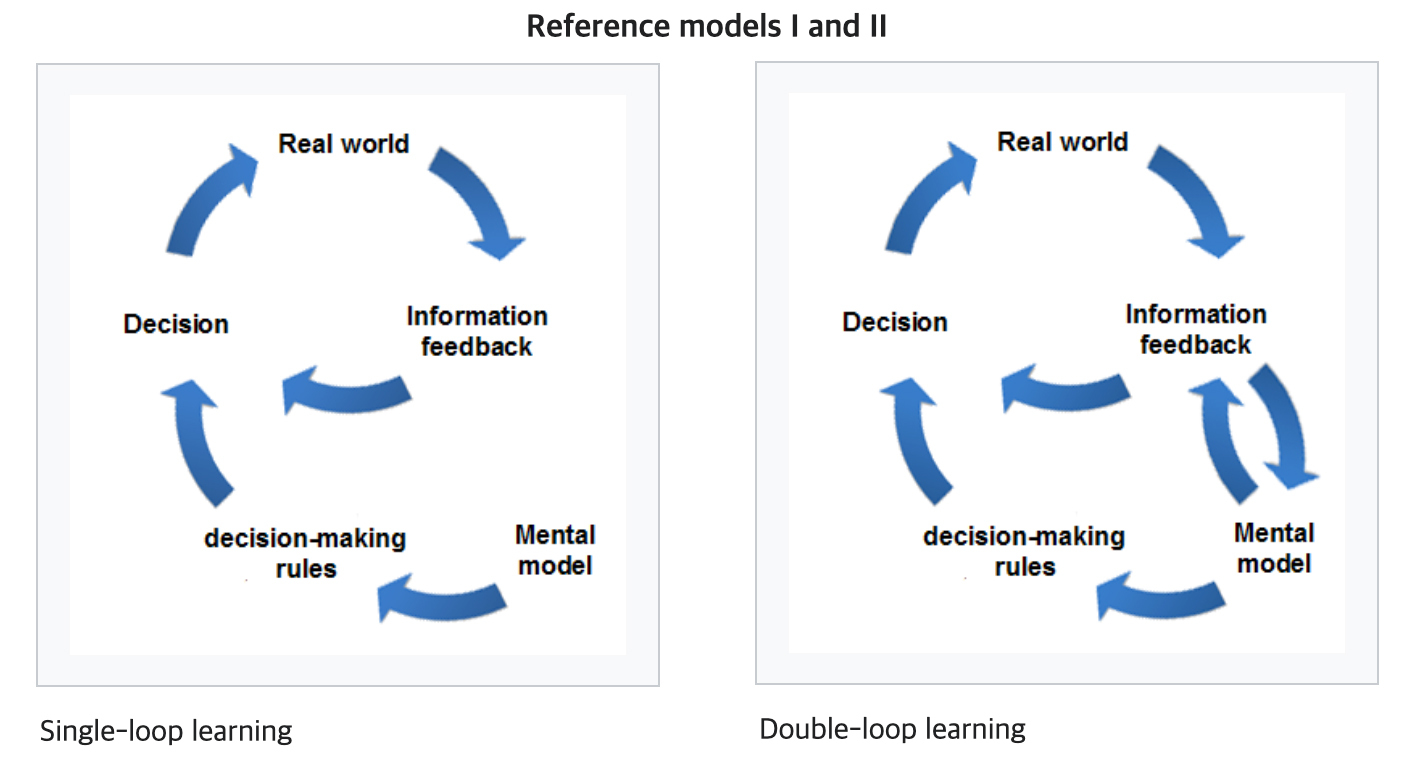
Single-Loop Learning
This is the stage of correcting errors within established rules and assumptions. Actions like "Ad conversion rates are low, so let's change the ad copy." This is like fine-tuning the weights of an AI model.
Double-Loop Learning
This stage goes beyond correcting errors to questioning the rules and assumptions themselves, like "Why did we assume this ad copy would be effective in the first place?" This is like redesigning the AI model's structure itself, enabling it to solve new dimensions of problems it couldn't solve before. A startup's problem-solving archive is the key tool that enables this 'double-loop learning.'
Step 1: Set Criteria and Priorities
Before solving any problem, create a culture of first defining and agreeing on "What are the three most important criteria for judging this problem-solving success?" and "What is the priority among those criteria?"
Step 2: Structure and Archive All Decisions
Beyond simple meeting notes, archive all important problem-solving processes in this framework: [Problem (situation) → Criteria/Priorities → Alternatives → Final decision and rationale → Results → Lessons learned].
Step 3: Regularly Analyze and Learn from the Data Together
At least once a month, gather your entire team to share and discuss recent failures. This is not a place for blame—it's the most important time to update your team's autonomous driving algorithm.
Your team needs designers of a 'learning system' that turns even failures into assets, not just problem solvers
A startup's true strength doesn't come from individuals' exceptional problem-solving skills. It depends on whether you have a 'learning system' that transforms even the experience of failure into collective intelligence for the entire team. The market tells you the right answer, but only you can build the ability to learn.
[Startup Codex 22]
Produced using content with the consent of Brunch writer jaha Kim.