BD Insights
Loading...

그릿BD
주*********

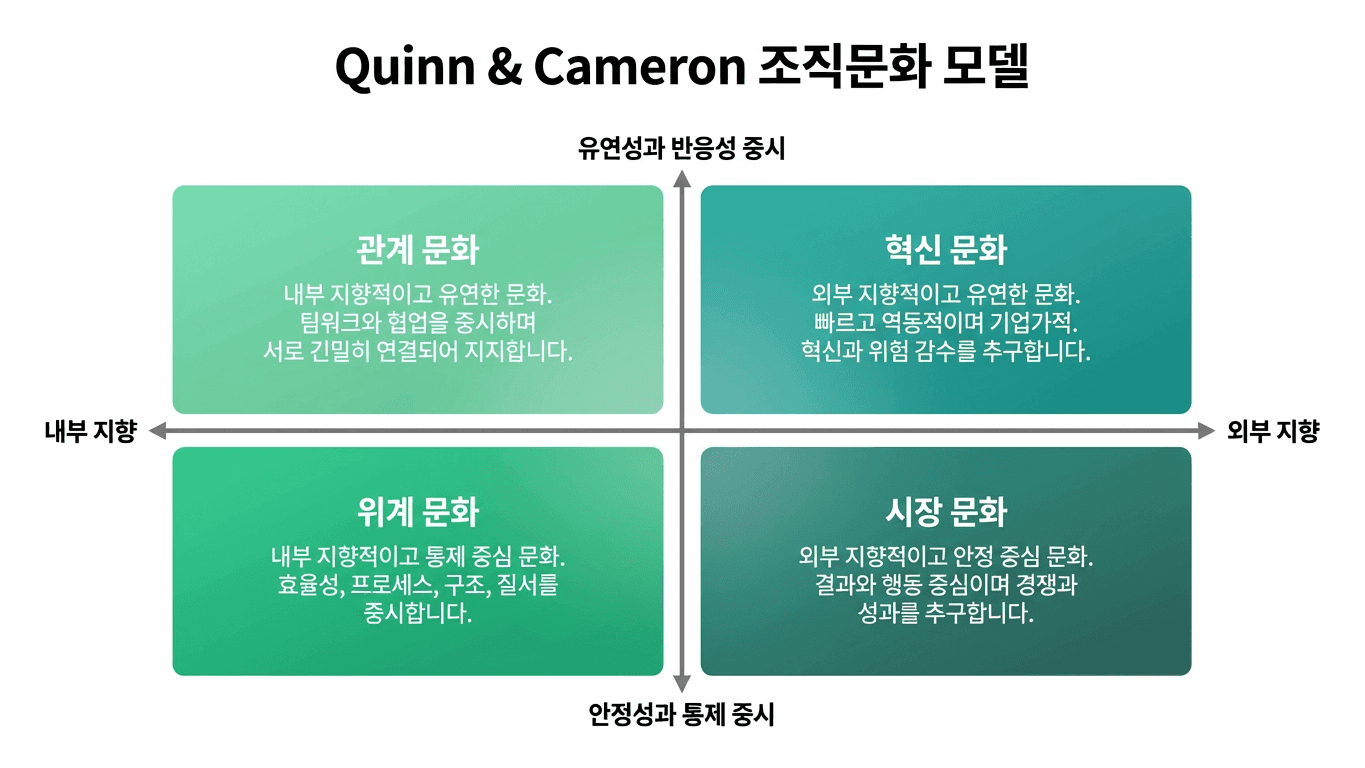
Assembling top individuals doesn't make a team. This article outlines how to design a small but solid team using three principles—role design, execution autonomy, and communication structure—along with the Quinn and Cameron organizational growth model.
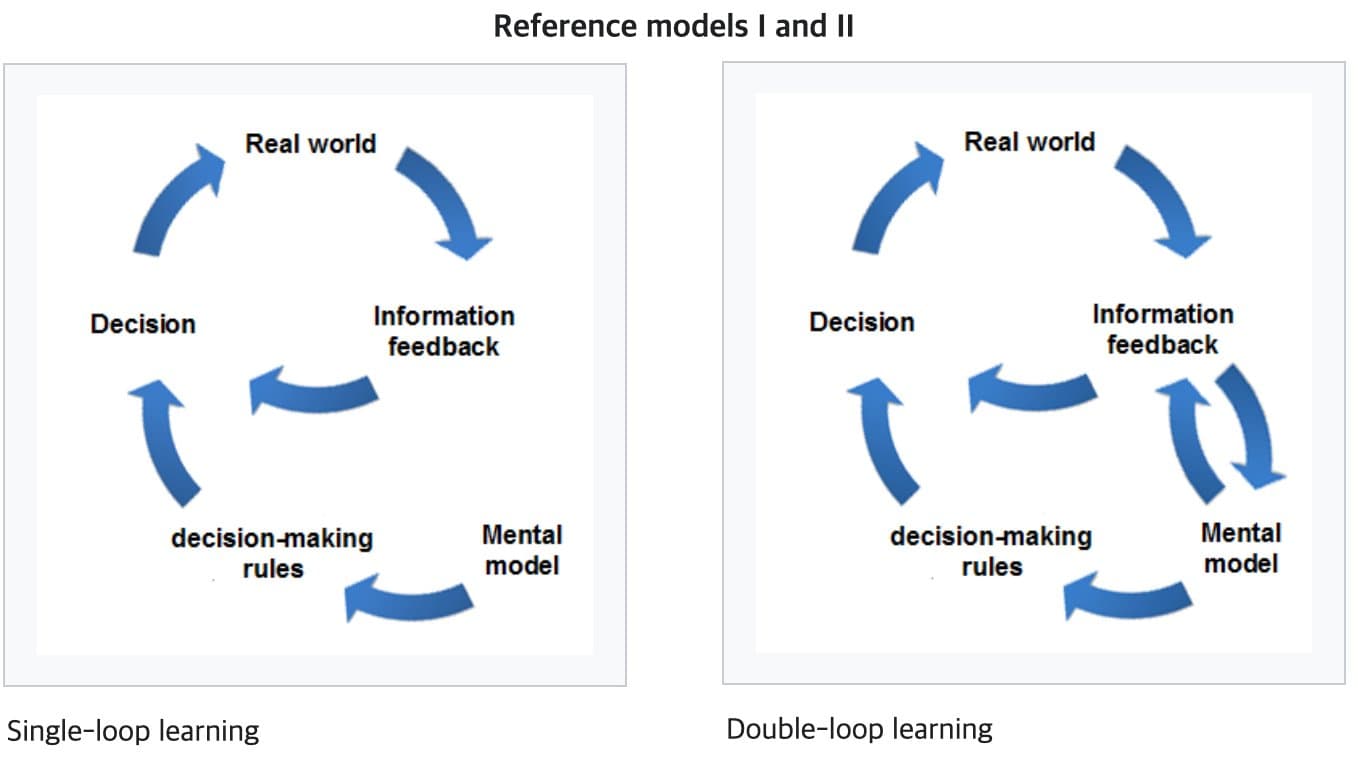
Of Google's countless projects, only about 50% succeed. The company even runs a unique space called 'The Google Cemetery' that displays tombstones of discontinued services. Google dissects these failures like autopsying a body, identifying direct and indirect causes of problems, documenting them precisely, and establishing countermeasures.

Even the clearest vision remains an empty slogan without collective efficacy—the shared belief that the team can execute it. An overly grand vision can overwhelm and paralyze a team. One of a founder's most important roles is not just to articulate a vision but to design and build the team's self-efficacy.
CODEX 18: How to Absorb External Opportunities and Turn Them into Growth Engines
Open innovation is a paradigm where companies must intentionally bring in external ideas and technologies, share internal assets with the outside world, and create value to survive and grow. In other words, it's about breaking down organizational boundaries and increasing the probability of innovation through active external engagement—clearly demonstrating why 'absorptive capacity' is a core competitive advantage for modern startups.
Many founders chase opportunities by running around. It's like chasing butterflies with a net. Smart teams don't chase butterflies—they grow fragrant flowers. They build internal capabilities so opportunities come to them.
Confucius said he reached the state of 'bulhok' (不惑), unwavering in certainty, at forty. Founders too need conviction in their vision. But when that conviction blocks healthy external input, growth stops. True bulhok is defending the WHY while staying open to the HOW.
Companies in the past pursued innovation through closed R&D, believing 'the best talent is all inside our company.' But in today's era of dispersed knowledge and technology, relying solely on internal capabilities has clear limits.
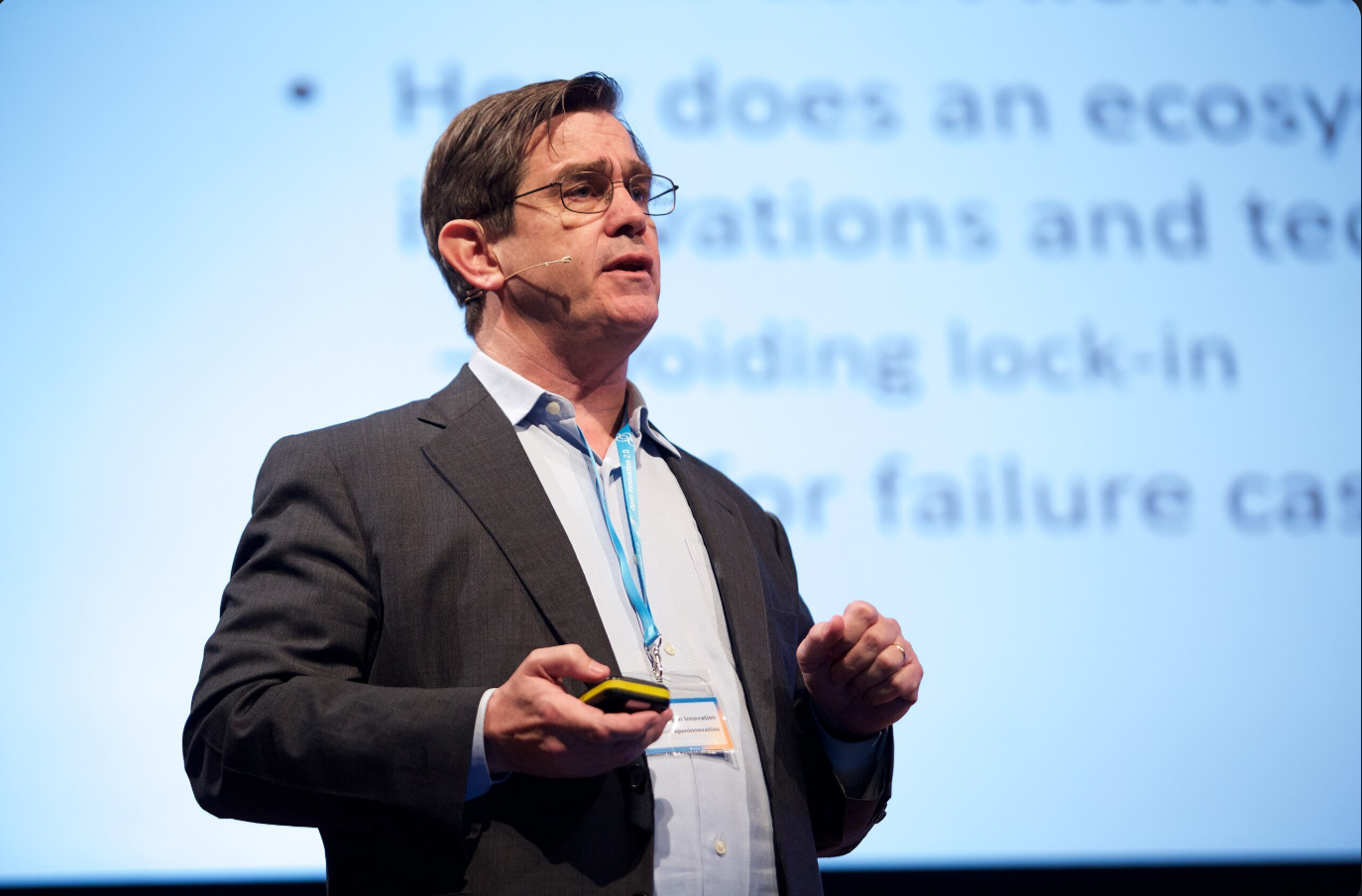
Open innovation is a paradigm where companies must intentionally bring in external ideas and technologies, share internal assets with the outside world, and create value to survive and grow. In other words, it's about breaking down organizational boundaries and increasing the probability of innovation through active external engagement—clearly demonstrating why 'absorptive capacity' is a core competitive advantage for modern startups.
Strong teams don't accept every external opportunity indiscriminately. The 'VRIO Framework' proposed by management scholar Jay B. Barney was originally created to analyze internal resources and capabilities, but we can use this framework as a powerful filter for evaluating external opportunities.
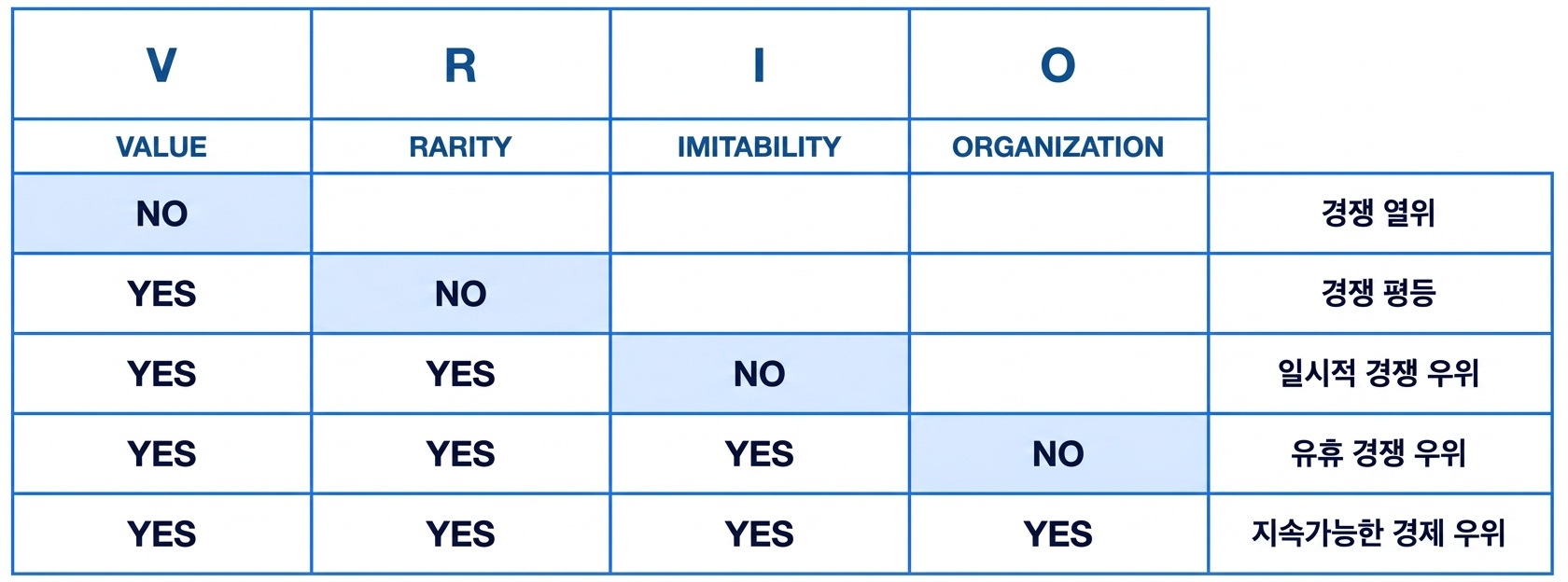
V – Value
Does this opportunity align with our vision and strategy, and does it add real value?
R – Rarity
Are the capabilities gained through this opportunity difficult for competitors to acquire?
I – Imitability
Can competitors easily replicate the advantage created by this opportunity?
O – Organization
Is our team ready to execute and internalize this opportunity?
Absorptive Capacity
Even opportunities that pass the VRIO filter don't automatically become outcomes. They must be transformed to fit the team's processes and culture before becoming a growth engine.
Sensing
Systematically monitor market, technology, and partnership trends to identify needed opportunities.
Acquisition
Actually secure the opportunities identified. This includes technology licensing, partnership agreements, talent recruitment, etc.
Transformation
Reinterpret and adjust acquired external knowledge to fit our team's context.
Incorporation
Fully integrate transformed knowledge into the team's daily processes and decision-making, turning it into a repeatable asset.
Reddit is a prime example of designing a structure that attracts opportunities rather than chasing them.

Open Platform Design
Through the subreddit system, they built a structure where users can voluntarily create and operate communities on any topic. The structure itself became a platform that absorbs every interest in the world.
Data & Reputation Asset Accumulation
A reputation built up that the most honest and in-depth conversations on any topic happen on Reddit. Google needed Reddit data to improve search quality, companies came to Reddit for genuine user feedback, and media monitored Reddit to discover trends.
The key is that Reddit didn't chase partners directly—the open structure and accumulated reputation attracted external actors.
Stage 1: Establish Criteria
Set judgment criteria based on VRIO for which opportunities to accept and which to decline.
Stage 2: Prove Capabilities
Create a process to validate, execute, and internalize external opportunities as team assets.
Stage 3: Strategic Exposure
Enable potential partners to discover you through tech blogs, conferences, community contributions, etc.
Stage 4: Build Reputation
Share successful collaboration cases externally. Create a virtuous cycle where one success attracts the next opportunity.
Feedback Loop Questions
Q1. Does our team have clear VRIO criteria for evaluating external opportunities?
Q2. When a good opportunity comes, do we have a concrete process ready to turn it into organizational capability?
Q3. Are we a team that chases opportunities, or a team that makes opportunities come to us?
Q4. Do we have proven success stories that make external partners say 'We want to work with that team'?
[Startup Codex 22]
Produced with permission from Brunch writer jaha Kim.