Fleet Learning: Building Problem-Solving Capability as an Organizational Competency
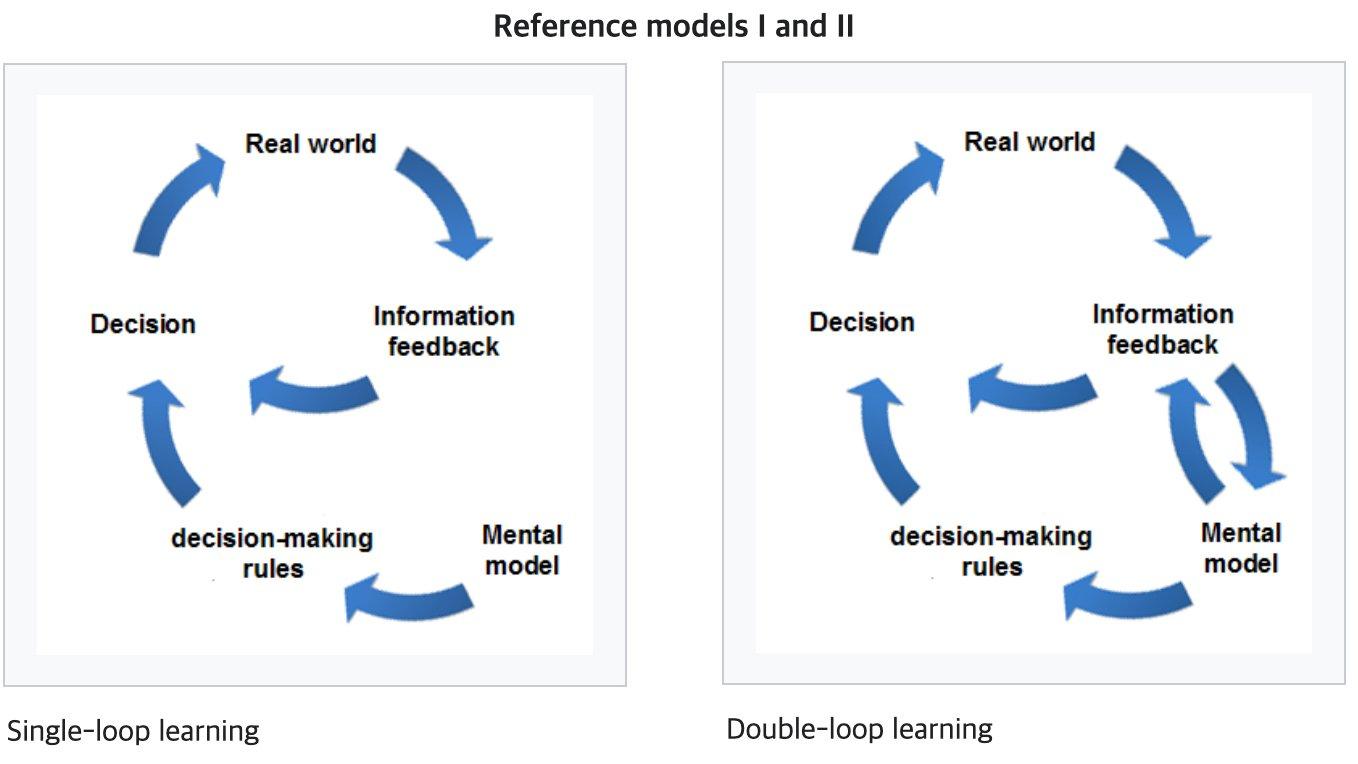
Among Google's countless projects, the success rate is only around 50%. They even operate a unique space called 'The Google Cemetery,' which displays the tombstones of discontinued services. Google autopsies these failures, identifying direct and indirect causes of problems, accurately recording them, and establishing countermeasures.
Aug 21, 20266 min read
BD Insights
The Process of Turning Opportunity into Organizational Capability
Open innovation is a paradigm that demands companies intentionally bring external ideas and technologies inside, share internal assets with the outside, and create value in order to survive and grow. In other words, it means breaking down organizational boundaries and raising the odds of innovation through active external interaction—and this clearly shows why 'absorptive capacity' is a core competitive advantage for modern startups.
Aug 21, 20264 min read
BD Insights
Four Steps to Turn Vision Into Team Execution
Even the clearest vision remains an empty slogan without collective efficacy—the shared belief that the team can execute it. An overly grand vision can overwhelm and paralyze a team. One of a founder's most important roles is not just to articulate a vision but to design and build the team's self-efficacy.
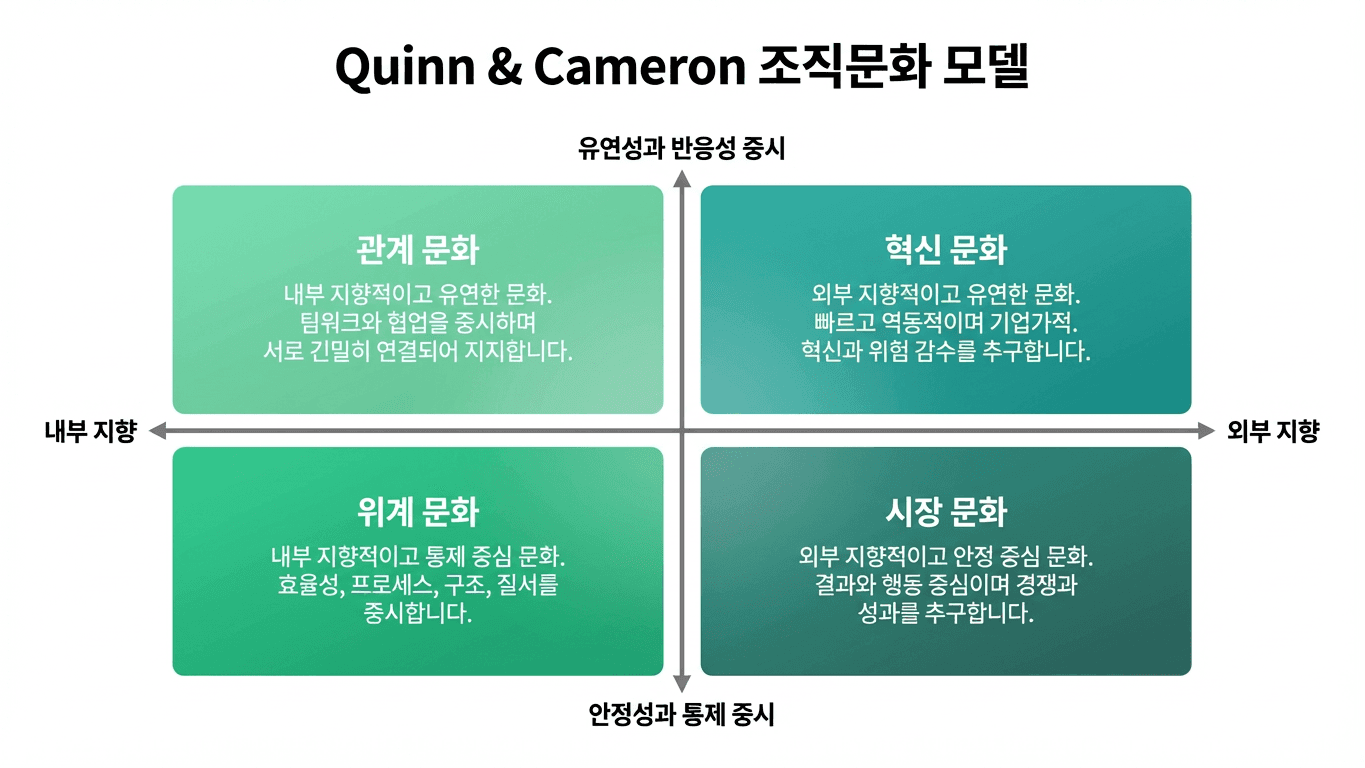
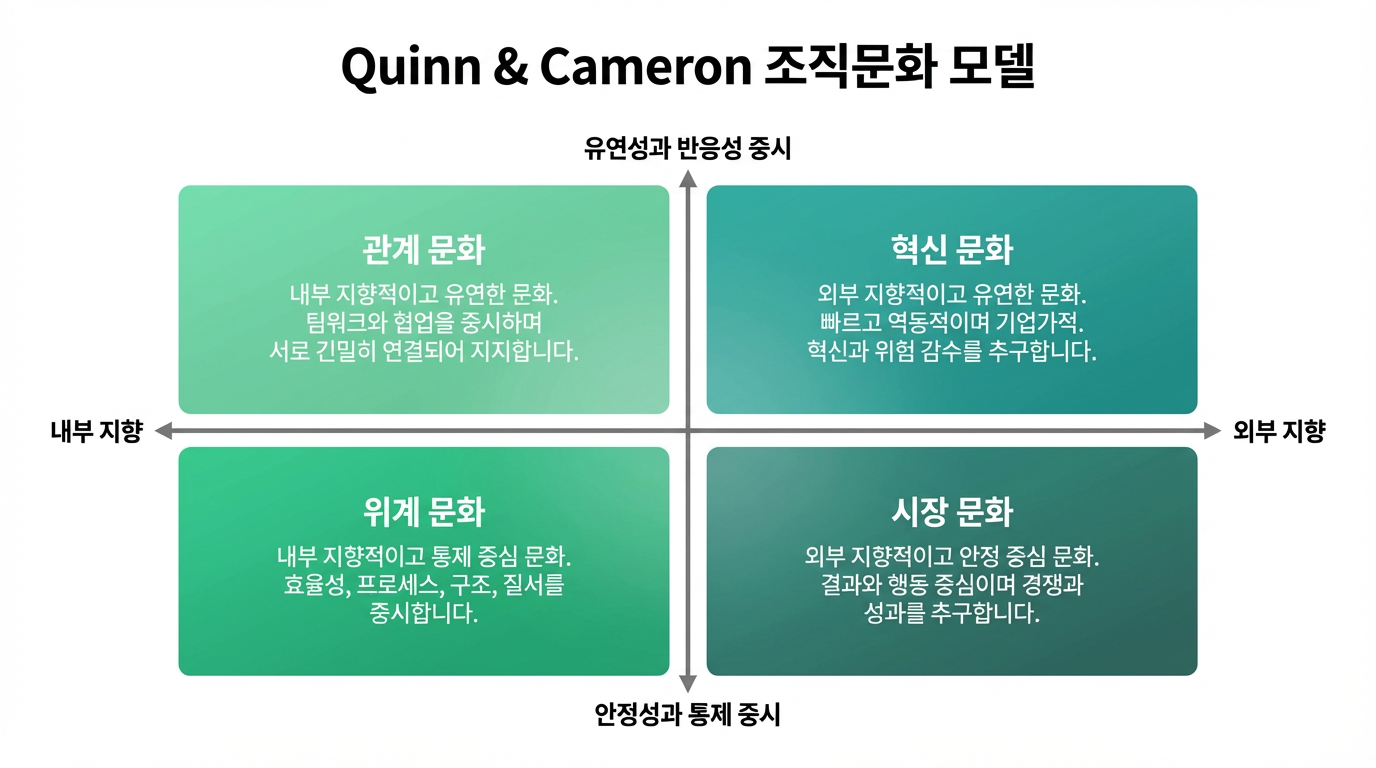
Gathering the best individuals doesn't make a team. This article outlines how to design a small but solid team using three principles—role design, execution autonomy, and communication structure—along with Quinn and Cameron's organizational growth model.
Design the best ensemble, not just gather the best players
"Our team is made up of only the best talent." Many founders boast about their team's credentials and are confident of success. It's like believing that gathering the best violinist, cellist, and pianist in one room will produce a great symphony.
But in reality, they each play their solos and fail to create a single harmony. Because there's no sheet music (structure) to play together and no conductor (leadership).
Roles clear, execution flexible
Clarifying R&R means defining who is ultimately accountable for results in which area. This reduces confusion among team members while giving them the motivation to take ownership and proactively solve problems.
Just because accountability is clear doesn't mean execution needs to be rigid. In fact, the clearer the accountability, the more flexible the execution can be.
Freedom of methodology: Leave the specific methods for achieving goals to the discretion of those responsible.
Fast problem-solving: Enable immediate response in the field without complex approval processes.
Boundaryless collaboration: Because roles are clear, collaboration with other team members becomes more natural.
For example, if 'growing MAU of Service A by 10%' is the team's clear accountability, what promotions to plan, which channels to use, and what data to analyze are left to the team's discretion.
Communication is designed
Even if role division is perfect, if team members don't share context with each other, execution happens in silos. In startups, communication isn't an individual competency—it's team infrastructure.
Structured communication : Don't rely on impromptu conversations. In meetings, clarify decision points, decision-makers, criteria, and next actions. Build an asynchronous communication system using Slack, documents, and archives to strengthen execution.
Psychological safety : You need a culture where people can speak openly about mistakes and disagreements. Leaders must share their own mistakes first and draw out the team's voice through open questions.
According to Albert Mehrabian's 7-38-55 rule, when conveying emotions and attitudes, verbal content accounts for 7%, tone of voice 38%, and facial expressions 55%. A culture where transparent and constructive feedback flows is not just atmosphere—it's survival infrastructure.
Quinn and Cameron Model
Startups need completely different organizational forms depending on their growth stage. Quinn and Cameron's organizational growth model provides a blueprint for this evolution.
Stage 1: Creativity Stage (1–10 people) The goal is survival and PMF exploration. A leader-centered flat structure moves quickly and flexibly. Speed and experimentation take priority over formal processes.
Stage 2: Formalization Stage (10–50 people) This is the growth and market expansion phase. Functional teams emerge, and roles, processes, and decision-making criteria begin to be documented. Share the values around 'why we do this work.'
Stage 3: Delegation Stage (around 50 people) Execution authority is delegated to middle managers. Performance management systems like KPI/OKR are introduced so each team operates autonomously.
Stage 4: Coordination/Integration Stage (50+ people) This is the business model stabilization period. Through defined processes and collaboration systems, multiple teams align under a single goal.
Three steps to designing a small but solid team
First, design the structure first. Before setting strategy, define the team structure that will execute that strategy. Diagnose your current growth stage and choose the most suitable structure—flat, functional, or project-based. Without structure, no strategy can be executed.
Second, define R&R but ensure execution autonomy. Clearly define who is ultimately accountable for results in which area. However, leave the methods for achieving goals to the team's discretion. The clearer the accountability, the higher the execution agility.
Third, design communication rules. Don't rely on impromptu conversations. Establish meeting structure (decision points, decision-makers, criteria, next actions) and build an asynchronous communication system (Slack, documents, archives). Create a culture where honest feedback flows, based on psychological safety.
Feedback Loop Questions
Q1. Where does our team's current growth stage fall in the Quinn and Cameron model?
Q2. Can each team member explain their R&R in one sentence?
Q3. Is accountability clear while autonomy in execution methods is ensured?
Q4. Are 'decision points, decision-makers, criteria, and next actions' clearly documented in every meeting?
Q5. Is it an environment where team members can speak openly about mistakes and disagreements?
[Startup Codex 22]
Brunch author jaha Kim has consented to the use of their content in this production.