For startups, ideas and technology matter less than you think
5 min read
Related articles
BD Insights
How to Build a Small but Strong Team
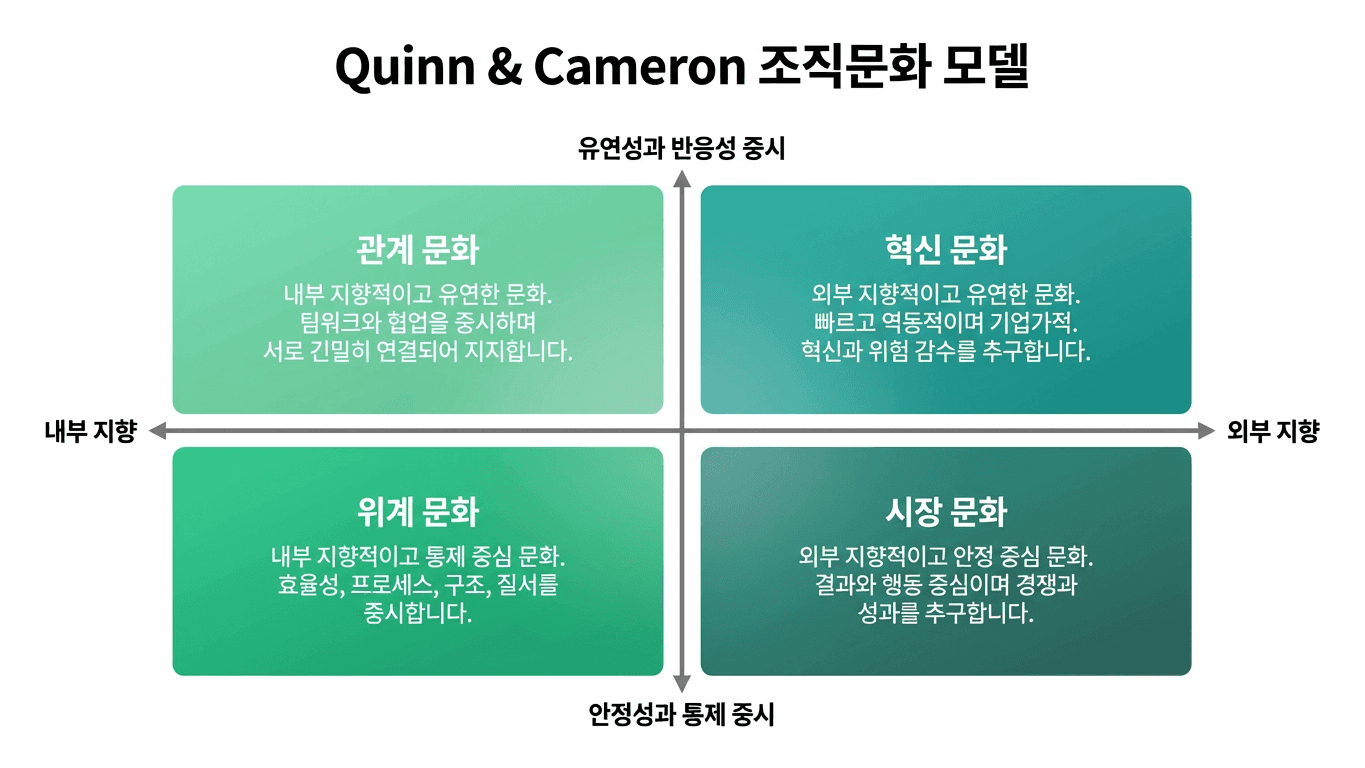
Assembling top individuals doesn't make a team. This article outlines how to design a small but solid team using three principles—role design, execution autonomy, and communication structure—along with the Quinn and Cameron organizational growth model.
Aug 31, 20264 min read
BD Insights
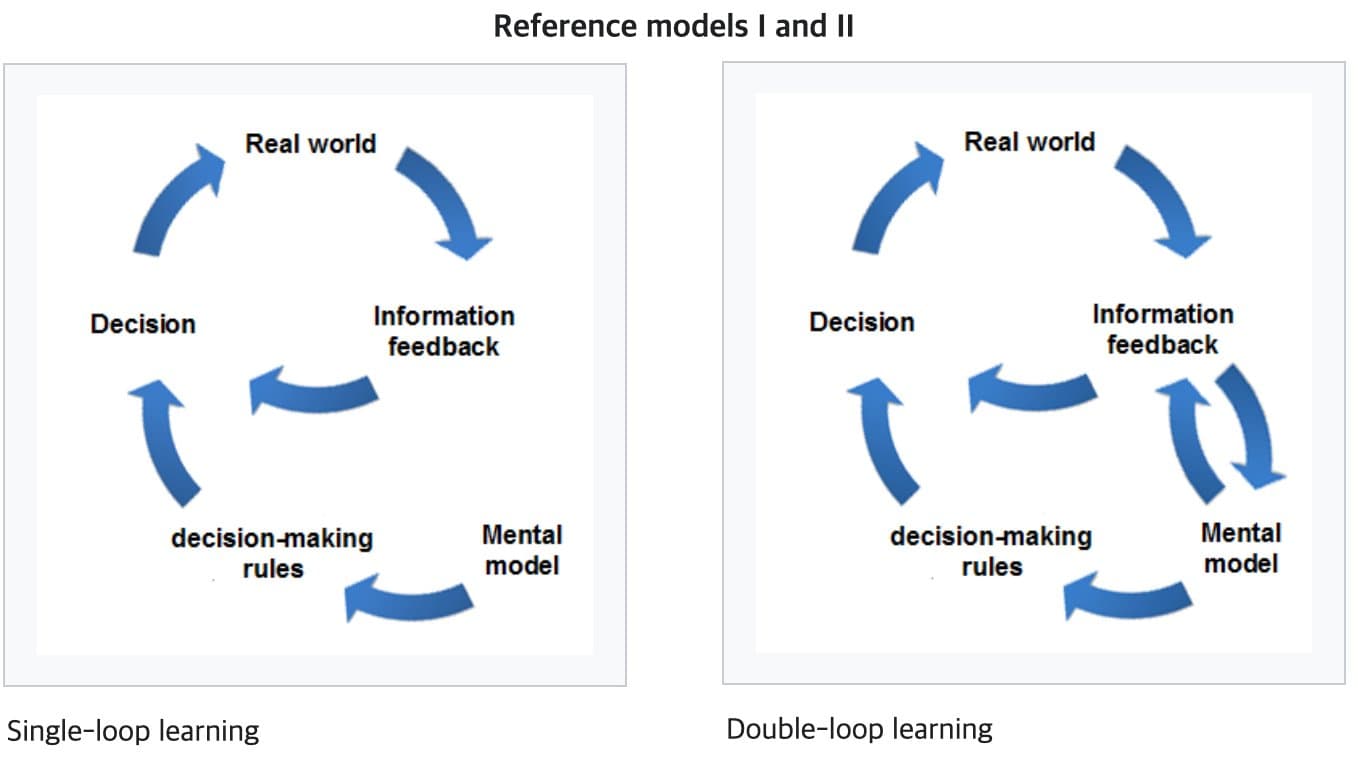
Fleet Learning: How to Turn Problem-Solving Into Organizational Capability
Of Google's countless projects, only about 50% succeed. The company even runs a unique space called 'The Google Cemetery' that displays tombstones of discontinued services. Google dissects these failures like autopsying a body, identifying direct and indirect causes of problems, documenting them precisely, and establishing countermeasures.
Aug 21, 20266 min read
BD Insights
Turning Opportunities into Organizational Capabilities
Open innovation is a paradigm where companies must intentionally bring in external ideas and technologies, share internal assets with the outside world, and create value to survive and grow. In other words, it's about breaking down organizational boundaries and increasing the probability of innovation through active external engagement—clearly demonstrating why 'absorptive capacity' is a core competitive advantage for modern startups.
Startups often become so fixated on technical perfection that they overlook market readiness. This depends on where the entrepreneurial perspective lies.
For startups, ideas and technology matter less than you think
Perfect technology, an outstanding team, sufficient funding. Why do startups that seemed to have everything needed for success fail, while others that looked lacking become unicorns?
Bill Gross, founder of Idealab, presented findings from analyzing success and failure factors of hundreds of startups in his TED talk. Surprisingly, the single factor with the strongest correlation to startup success was 'timing' (42%). Team and execution (32%), idea (28%) followed, while business model (24%) and funding (14%) mattered less than expected.
This reveals a shocking truth: the question 'Is the market ready to accept this right now?' determines a startup's fate more than perfect technology developed overnight or an idea you believed would change the world.
The Technology-First Trap vs. the Innovation-First Perspective
Startups often become so fixated on technical perfection that they overlook market readiness. This depends on where the entrepreneurial perspective lies.
Technology-First entrepreneurship is the maker's perspective that pursues 'completion': 'Our technology is almost done. Let's refine it a bit more and go to market.' It assumes technical superiority will lead to business success, but if the market isn't ready, that technology will remain an invention displayed in a museum. If technology truly matters, don't wait for completion—file for patents first and find ways to capture market response.
Market-First entrepreneurship is the entrepreneur's perspective that designs 'response': 'Even if features improve later, customer response must be designed now.' It asks 'Who, why, and why should they buy this right now?'—not about technology. Technology is merely a means to create that response.
For most startups (97%), technical superiority is just a temporary 'time advantage.' Rather than a technical moat that doesn't last even 18 months on average, capturing market response first matters far more.
PMF is achieved through the timing of 'market response,' not technology
Ultimately, the core of timing lies in when and how you achieve PMF (Product-Market Fit). PMF is proven not by technical completeness, but only by actual market response.
Are customers starting to seek us out voluntarily? Are they paying, using again, and recommending to others?
PMF is not 'waiting for product completion,' but 'the process of building a product while colliding with the market in an imperfect state.' It's not sophisticated technology, but the 'timing' when actual positive customer response occurs that determines everything.
Remember chose customer want over technical pride
Remember, the business card management app, is a perfect case showing how much more timing and execution matter than technology.
Early on, Remember's OCR (optical character recognition) technology for recognizing business cards wasn't perfect. While this could have been embarrassing for an IT company, they boldly chose 100% manual input.
Their judgment was clear: 'What customers want right now isn't cutting-edge OCR technology, but the experience of having their business cards entered accurately.'
This decision was a masterstroke. Instead of waiting for technical perfection, they first delivered the most certain value customers wanted right then. Thanks to manual input, accuracy was near 100%, and customer satisfaction was overwhelming from the start.
With the customer base and data secured through this rapid execution, Remember gradually introduced OCR technology to complete their current automated system. Had they waited for perfect OCR technology, they might have missed market timing and fallen behind competitors.
Same idea, different fates: Clubhouse and TikTok
Consider the 'short-form video' idea. In 2014, an app called Vine for 6-second videos gained huge popularity but ultimately failed. The technology existed, but smartphone performance and data plans at the time weren't sufficient for users to routinely consume and create short-form content. The timing was too early.
Years later, TikTok emerged. Smartphone performance had dramatically improved, and unlimited data plans had become commonplace. Users were already accustomed to consuming short videos through Snapchat and Instagram Stories. TikTok rode a perfectly ripe market wave and became a global phenomenon.
The opposite also happens. When the need for contactless communication exploded during the 2020 pandemic, Clubhouse, an audio social network, appeared at perfect timing. But as the world reopened with endemic conditions, people no longer desperately wanted real-time audio communication. Clubhouse's technology or idea wasn't bad. The market wave simply passed too quickly.
Five factors that determine timing
Bill Gross says timing isn't simply 'luck.' Specific signals exist that indicate whether the market is ready.
First, customer behavior changes.
Are customers already attempting to solve problems in new ways?
Second, technology infrastructure.
Are the surrounding technologies that support our technology (smartphone adoption, network speed, etc.) sufficiently mature?
Third, policies and regulations.
Are government policies or regulations changing favorably for our business?
Fourth, economic conditions.
Are economic conditions positively affecting customer purchasing power?
Fifth, sociocultural trends.
Are changes in social values or lifestyles aligning with our business?
The more 'yes' answers to these five questions, the more likely now is the optimal timing to enter the market.
For startups, innovation isn't inventing technology that never existed. It's being at the right place at the exact moment the market wants it. Fast execution, not technology, creates real innovation.
Produced using content from [Startup Codex 22] with the consent of Brunch author jaha Kim.
To explore more content from jaha Kim, visit the link below.