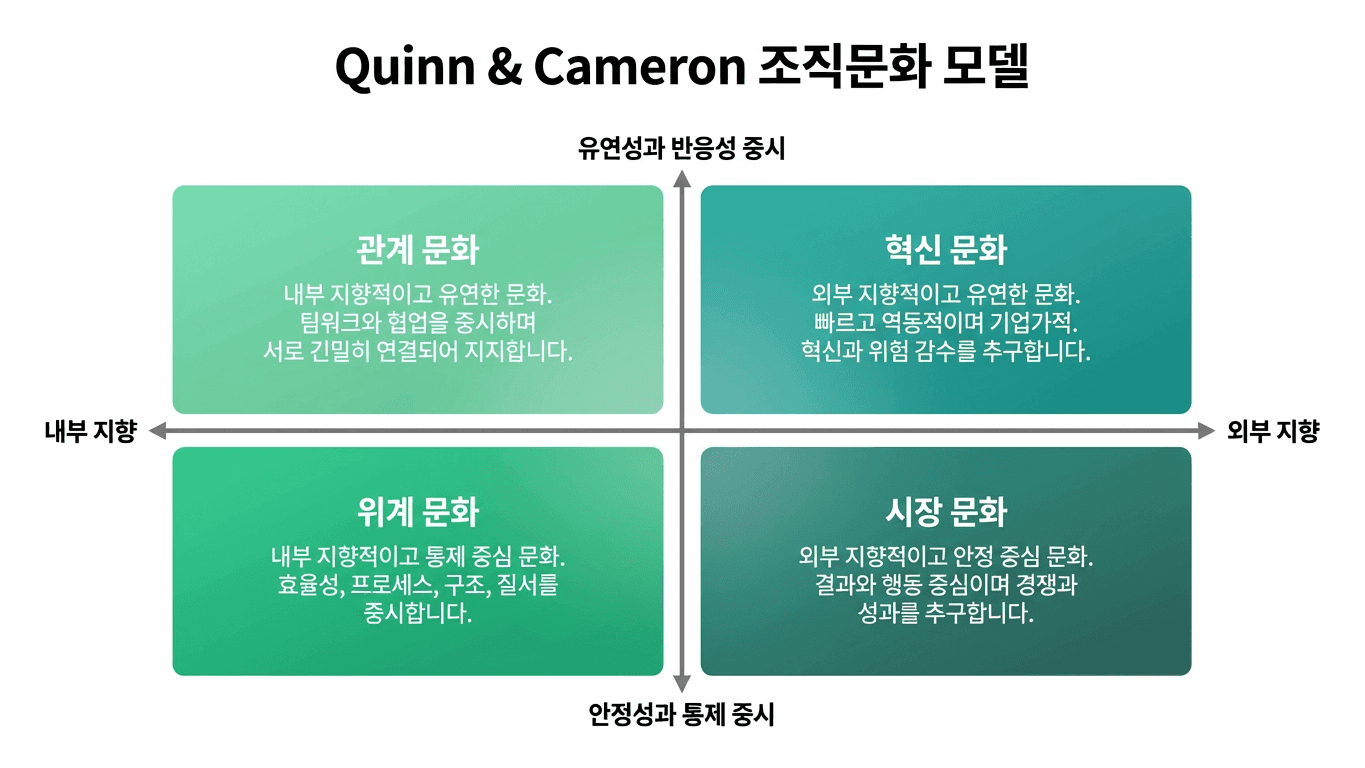
Assembling top individuals doesn't make a team. This article outlines how to design a small but solid team using three principles—role design, execution autonomy, and communication structure—along with the Quinn and Cameron organizational growth model.
Aug 31, 20264 min read
BD Insights
Fleet Learning: How to Turn Problem-Solving Into Organizational Capability
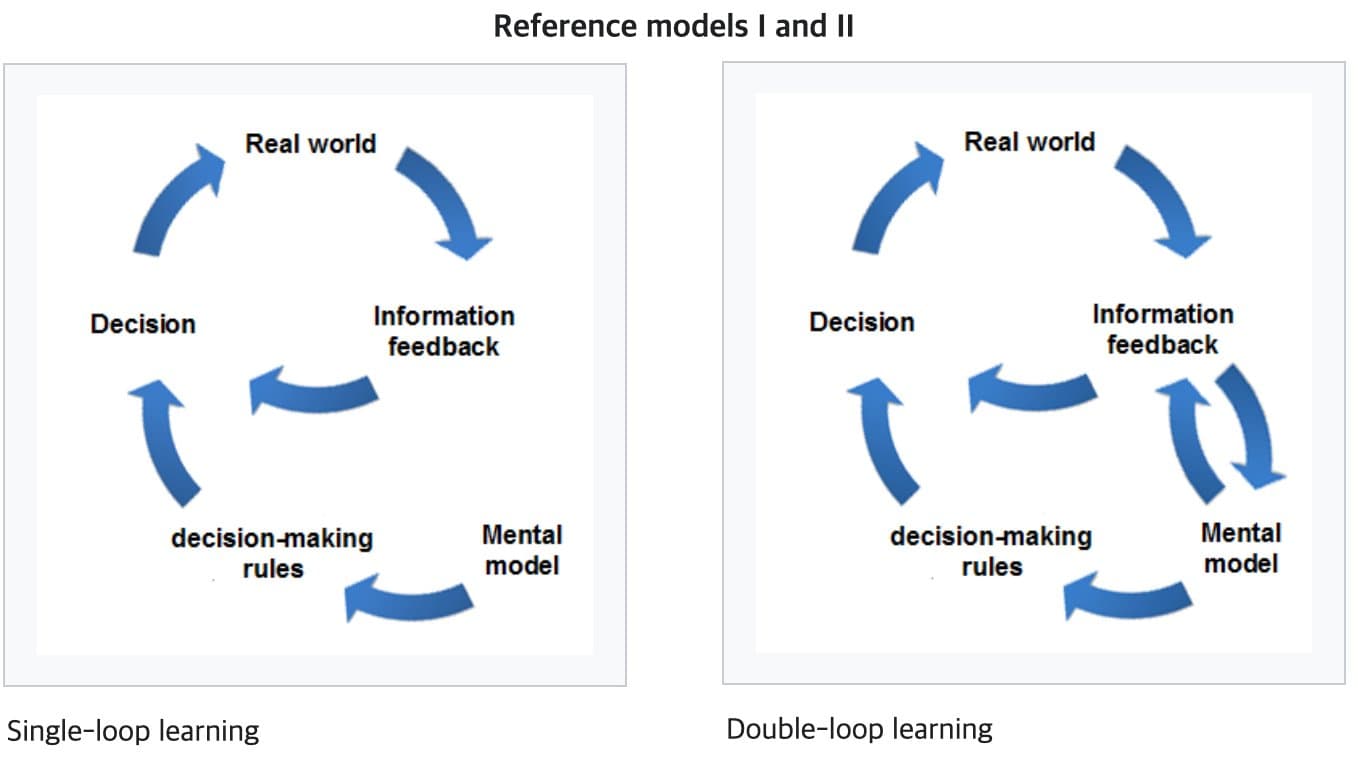
Of Google's countless projects, only about 50% succeed. The company even runs a unique space called 'The Google Cemetery' that displays tombstones of discontinued services. Google dissects these failures like autopsying a body, identifying direct and indirect causes of problems, documenting them precisely, and establishing countermeasures.
Aug 21, 20266 min read
BD Insights
Turning Opportunities into Organizational Capabilities
Open innovation is a paradigm where companies must intentionally bring in external ideas and technologies, share internal assets with the outside world, and create value to survive and grow. In other words, it's about breaking down organizational boundaries and increasing the probability of innovation through active external engagement—clearly demonstrating why 'absorptive capacity' is a core competitive advantage for modern startups.
CODEX 11. How to Design a Recurring Revenue Structure
Retention (repetition) is not a marketing KPI. It's the foundation of product planning and the core blueprint for a sustainable business. When customers return not because of promotions but because of their recurring needs, your product becomes not a one-time 'event' in their lives, but a recurring 'habit.'
Revenue is not about hunting—it's about building relationships
"Once they try our service, they keep using it!" Many founders express confidence in their products this way. But when you look at reality, most startups live as 'hunters,' constantly searching for new customers. They celebrate a successful hunt (sale), but must immediately start the anxious race again to find tomorrow's prey.
But truly successful companies design their business from a 'merchant's' perspective, not a hunter's. Rather than depending on immediate prey, they build a system that opens a reliable store (platform), secures loyal regulars (customers), and creates predictable transactions (recurring revenue). Retention, or customer retention, is not about promotional campaigns (marketing)—it's about the 'product composition' of the store itself, containing reasons for customers to return.
Steady visits from predictable regulars are more valuable than one big score. Recurring revenue is not luck—it's a well-designed commerce structure. Our role is not to perfect hunting skills, but to build a commerce system that creates lasting relationships with customers.
The real leverage for growth lies in 'repetition'
Many founders obsess over a single number: 'revenue.' But the formula for healthy revenue is:
Revenue = Number of Customers × Transaction Size × Repeat Frequency
Of these three variables, the leverage startups can most powerfully control and design is 'repeat frequency.' The number of new customers is heavily influenced by external factors, and there are limits to increasing transaction size. But making customers return to our product depends entirely on our design capabilities. Customers return not because of advertising, but because the product repeatedly solves their recurring problems.
You can't sell a piano twice
The first condition for designing a repeat purchase structure is asking whether 'the problem itself is recurring.' Customers don't buy a piano or air conditioner twice. These products solve the problem in one purchase. But if the problem itself occurs periodically, products connected to it can be designed for recurring revenue.
Piano sales (one-time) can be transformed into piano tuning, lessons, and rental services (recurring), and air conditioner sales (one-time) can become filter replacement, cleaning, and maintenance services (recurring). In other words, before designing a product, examine whether recurring needs exist in customers' daily lives, and restructure the product to match the cycle of those problems.
The psychology of repetition: humans find decisions exhausting
Why is it hard to cancel a subscription service once started? The answer lies in behavioral economics. Humans have a powerful 'Status Quo Bias' to maintain the current state. Making new decisions consumes more mental energy than we realize, so the brain instinctively avoids change and prefers established defaults.
Recurring revenue structures precisely leverage this nature. The moment customers make the biggest commitment is just once—the 'first purchase.' Once a subscription begins, 'continuation' becomes the default requiring no effort, while 'cancellation' becomes the bothersome, tiresome action requiring new information search and decision-making.
Ultimately, well-designed recurring products eliminate the friction of decision-making needed for repurchase, making 'continued use' the easiest and most natural choice. This is the powerful psychological lock-in effect created by structure, beyond marketing promotions.
Case Study: Dollar Shave Club sold shaving habits, not razors
@Dollar Shave Club
The razor market dominated by Gillette was a typical 'hunter' market. They fought for customers' one-time choices on store shelves, touting more blades and more sophisticated technology. Dollar Shave Club (DSC), the startup that entered this market, didn't make a better razor. Instead, they became merchants who designed a better repeat purchase structure.
They focused on the essence of the problem: razor blades are 'consumables that must be replaced periodically.' And they discovered the customer pain point: "It's inconvenient and burdensome to go to the store and buy expensive blades every time."
DSC's solution was a 'subscription model' delivering blades to your door for $1 a month. Rather than selling razors as 'products,' they became partners managing customers' entire 'shaving routine.' Customers no longer needed to go to stores for blades, and DSC secured predictable monthly revenue. They changed the market rules by becoming 'a new kind of merchant' instead of 'a better hunter.'
The merchant's 3-step product design method for creating regulars
Step 1. Define the 'Value Event'
Successful stores have 'hook products' that keep customers coming back. You must define the repeatable minimum unit of value as a 'Value Event'—the moment when customers think, "Ah, this is worth paying for!" For example, generating one report or activating one seat. How quickly (Time to Value) and how often customers experience this value is the first step of repetition.
Step 2. Design the 'Repeatable Customer (ICP)'
Good merchants don't try to turn every passerby into a customer. They clearly identify the 'Ideal Customer Profile' who will visit the store daily and focus on them. You must engineer customer segments whose lives or work (JTBD) involve problems that our product solves recurring periodically, and provide optimized experiences for them.
Step 3. Synchronize 'Payment and Value' (Pricing & Packaging)
You must enable loyal customers to pay naturally and reasonably in proportion to the value they perceive. Design usage-based pricing tied to Value Events, packages that scale with customer growth (Good-Better-Best), monthly/annual commitments, etc., to align customer success with our success. When this structure is proven by healthy financial metrics like LTV/CAC > 3 and high Net Revenue Retention (NRR), your store becomes a hit restaurant where investors line up.
Is your product a hunter's impressive 'trophy' or a merchant's steady 'bestseller'?
Retention is not a marketing KPI. It's the foundation of product planning and the core blueprint for a sustainable business. When customers return not because of promotions but because of their recurring needs, your business finally ends the anxious hunter's time and enters the prosperous merchant's time.
Produced using [Startup Codex 22] content with the consent of Brunch author jaha Kim.