Products that sell don't sell on features—they sell on necessity
6 min read
Related articles
BD Insights
How to Build a Small but Strong Team
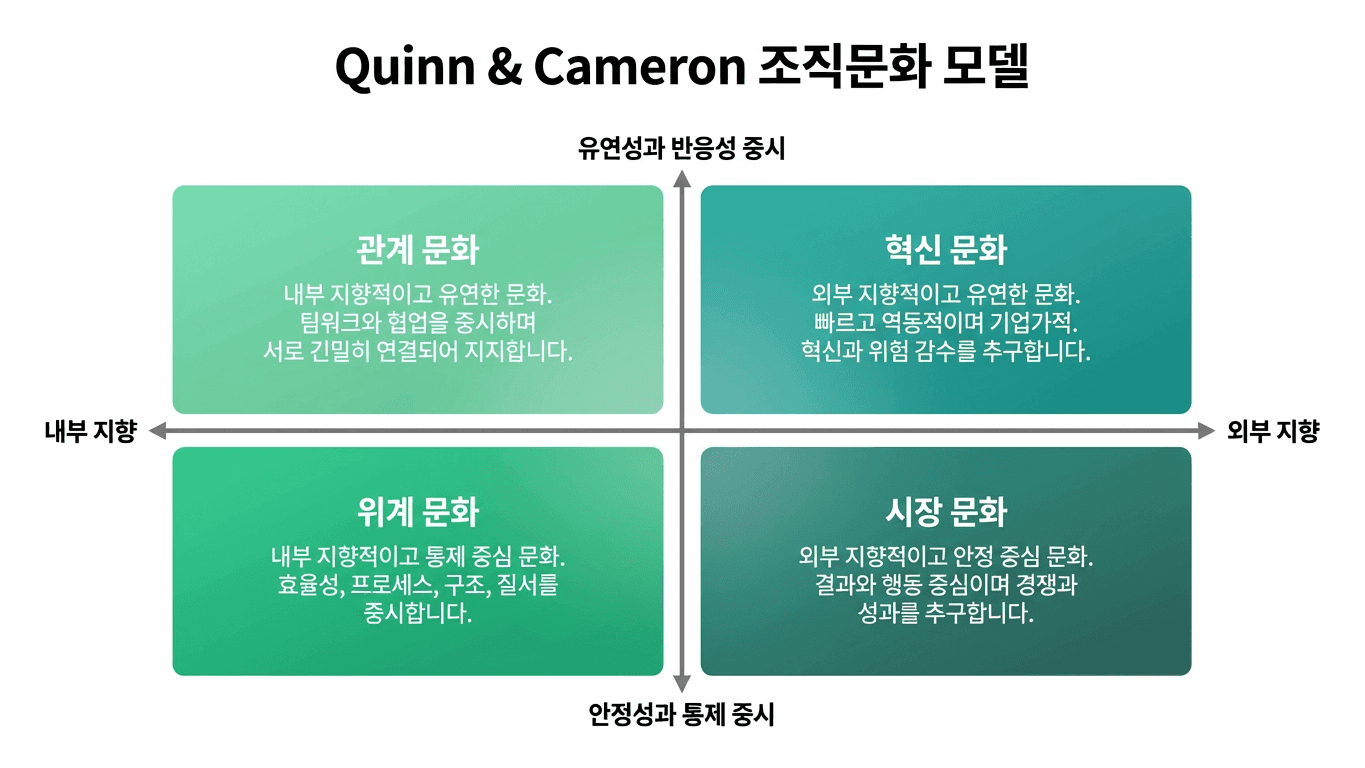
Assembling top individuals doesn't make a team. This article outlines how to design a small but solid team using three principles—role design, execution autonomy, and communication structure—along with the Quinn and Cameron organizational growth model.
Aug 31, 2026
4 min read
BD Insights
Fleet Learning: How to Turn Problem-Solving Into Organizational Capability
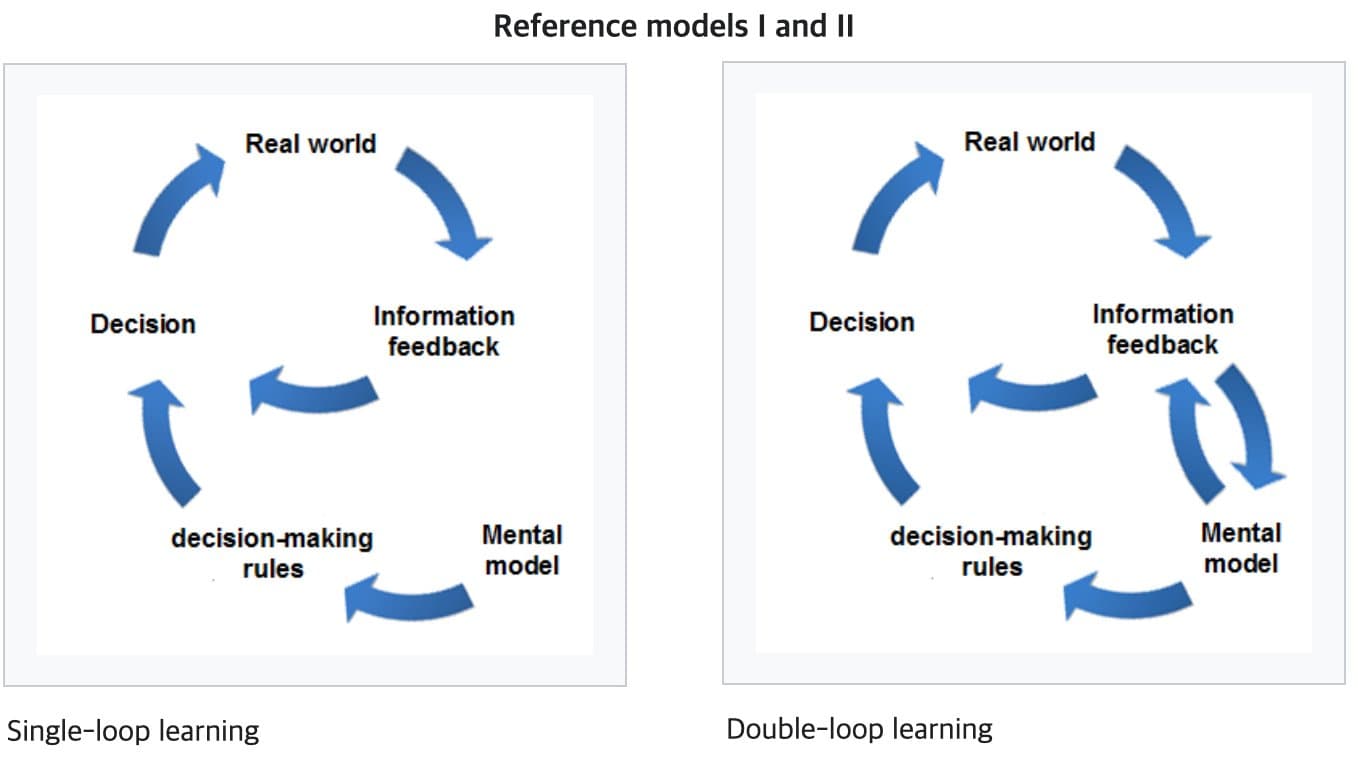
Of Google's countless projects, only about 50% succeed. The company even runs a unique space called 'The Google Cemetery' that displays tombstones of discontinued services. Google dissects these failures like autopsying a body, identifying direct and indirect causes of problems, documenting them precisely, and establishing countermeasures.
Aug 21, 20266 min read
BD Insights
Turning Opportunities into Organizational Capabilities
Open innovation is a paradigm where companies must intentionally bring in external ideas and technologies, share internal assets with the outside world, and create value to survive and grow. In other words, it's about breaking down organizational boundaries and increasing the probability of innovation through active external engagement—clearly demonstrating why 'absorptive capacity' is a core competitive advantage for modern startups.
If customers don't feel essentiality—that they must buy now—your product is just one option among many, not a product that truly sells.
Is your product a vitamin or a painkiller to your customers? Vitamins are good for health, but nothing bad happens if you don't take one today. But when you have a severe headache, a painkiller isn't a choice—it's a matter of survival. Products that truly sell are like the one painkiller that relieves extreme pain.
Customers browse 'nice-to-have' lists, but they only pay for 'must-haves.' Our job isn't to create another nice vitamin—it's to design the only painkiller for the customer's most painful problem.
Might Buy vs. Must Buy Products
Whether our product is a vitamin or a painkiller completely determines the business's fate.
A Might Buy Product (vitamin) has potential for purchase, but that decision is easily delayed or canceled depending on conditions like price, alternatives, and perceived need. To sell this product, marketing must shout 'Buy now!'
A Must Buy Product (painkiller) is a matter of necessity with no choice. Customers must buy it, and if they don't, the pain continues. This product brings customers proactively even with low marketing spend because essentiality is built into its structure.
Rather than a 'Might Buy' strategy pushed by advertising budgets, startups find it far more stable and sustainable to dig deep into customer problems and design a 'Must Buy' structure.
Essentiality Through Psychology
Humans are twice as sensitive to the pain of loss as to the joy of gain
Why do we postpone buying vitamins but immediately purchase painkillers? The answer lies in behavioral economist Daniel Kahneman's Prospect Theory.
The core of this theory is Loss Aversion—humans feel the pain of losing something they have about twice as strongly as the joy of gaining something new.
A 'vitamin' offers a gain—the promise of better health. It's attractive, but delaying the purchase doesn't mean losing anything immediately. A 'painkiller,' however, stops a current loss—the ongoing loss of health and time. Because loss aversion is so powerful, customers try to solve the problem not 'later' but 'right now.'
Ultimately, designing a product that truly sells means turning our solution from a vague gain into an urgent task that prevents a clear loss.
5 Design Principles for Products That Truly Sell
So what makes a product feel 'must-have' to customers? This essentiality emerges most powerfully when it solves a clear pain, like a painkiller stopping a headache.
But there's another equally powerful form of essentiality. When everyone around you uses something and it becomes a 'social standard,' the sense of exclusion or anxiety from being the only one not using it creates necessity. The moment you think, 'Everyone else uses it—am I weird for not using it?' that product becomes a must-have in a different way.
What matters is that whether resolving functional pain or social exclusion, essentiality never happens by accident. The product's very 'reason to exist' must be meticulously designed into customer perception.
First, define your customer clearly. Instead of 'This product is for everyone,' you should be able to say, 'This is the only solution for group B experiencing problem A.'
Second, identify a recognized problem. The problem we're solving must be felt by customers as concrete pain—discomfort, anxiety, or deprivation—in their daily lives.
Third, position as the definitive solution. Customers should instantly think 'Oh, that one!' when the painful moment arrives, before comparing many alternatives. We must be imprinted in their perception.
Fourth, provide an irresistible reason to buy. Through features, emotion, or social value, make customers feel 'Not buying this at this price would be a loss,' giving them justification to rationalize the purchase.
Fifth, build a repeat-use structure. Rather than ending with one purchase, the product should naturally integrate into customers' daily lives or workflows, becoming a habit where they think 'I can't do without this.'
When these five conditions are met, a product transcends being merely a collection of features and becomes imprinted in customer perception as something they can't do without.
How Toss Became a Money Transfer Painkiller, Not Just a Financial App
When Toss first appeared, the market already had countless banking apps. If Toss had entered as 'a convenient financial app with more features' (a vitamin), it would never have succeeded.
Toss focused on one single but extremely painful pain point: the excruciating process of account transfers requiring public certificates and security cards. Every Korean was suffering from this problem at the time.
Toss clearly positioned itself as a 'money transfer painkiller' solving this problem. Their message wasn't 'We've included all financial services.' It was a single message: 'Now, send money easily and quickly without the annoying public certificate.'
Toss chose to become the definitive solution in the very narrow, clear category of 'simple money transfer' rather than the vast 'financial app' market. Once they perfectly solved that single most painful problem, customers began perceiving Toss as a 'can't-do-without app,' which became the solid foundation for growing into a financial super-app.
Positioning Strategy for Startups
How can a cash-strapped startup become the 'definitive solution'—the painkiller—for a specific problem? The answer lies in narrowing the market.
Step 1. Find the patient with the most severe pain
Focus on the extreme pain of a few, not the mild itch of everyone. The narrower and clearer the user context—like 'nutritional drink exclusively for mothers within 6 months of childbirth'—the more urgent our solution becomes.
Step 2. Position as the only prescription
Deliver a clear message: 'We solve this problem better than anyone.' Focus on results over features, creating a 1:1 connection in customers' minds between the problem and us, like 'the only choice that settles your stomach.'
Step 3. Make the dosage instructions clear
Present a clear scene of when and where customers should think of our product. Insert our product into customers' recurring lives with messages like 'Always OOO on the morning commute' or 'OOO is essential after meals.'
Products that dominate markets aren't those with the most advertising—they're the ones that come to mind first in the clearest moment. No need to despair over lack of budget. A narrow market, clear problem, and sharp message are weapons more powerful than capital.
[Produced with permission from Brunch writer jaha Kim, using content from [Startup Codex 22].
To explore more content from jaha Kim, visit the link below.