How to Design Structural Growth Strategies: The Ansoff Matrix and Expansion Pathways
7 min read
Related articles
BD Insights
How to Build a Small but Strong Team
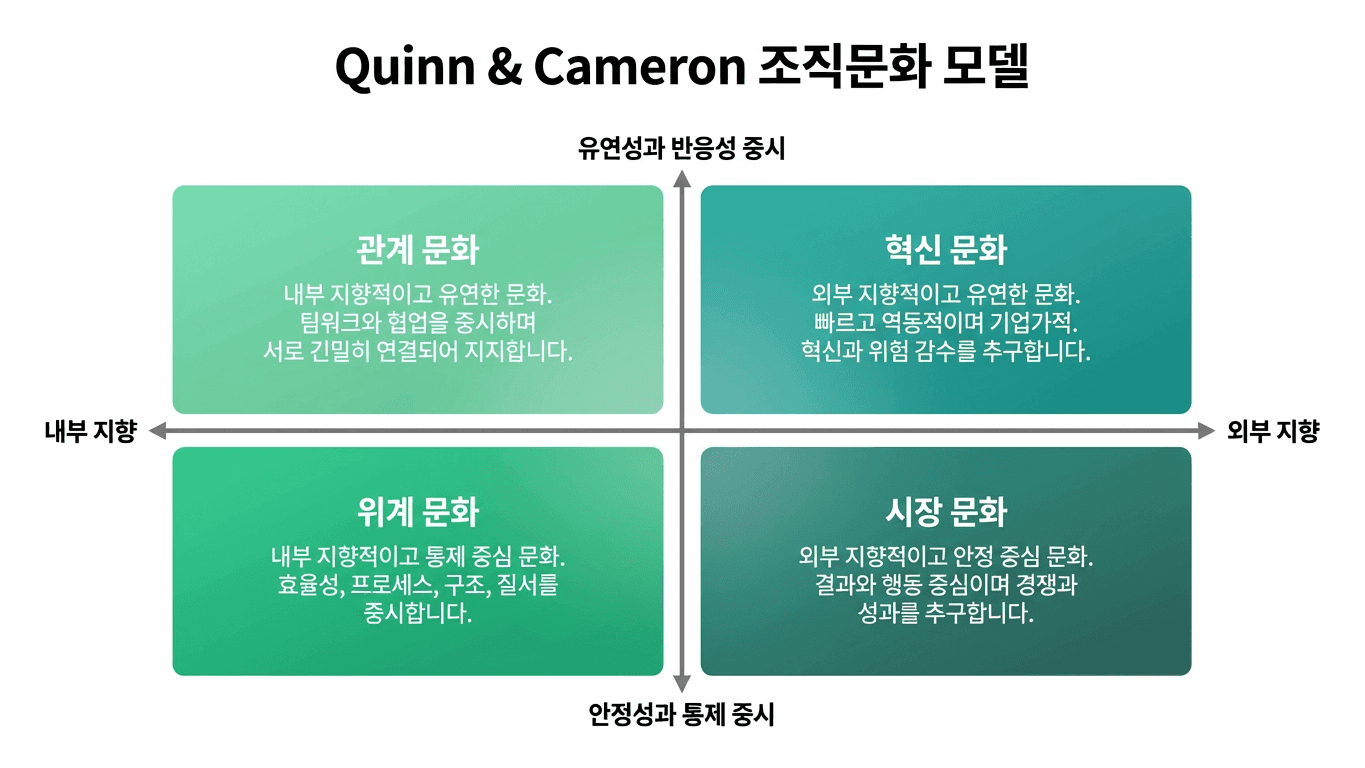
Assembling top individuals doesn't make a team. This article outlines how to design a small but solid team using three principles—role design, execution autonomy, and communication structure—along with the Quinn and Cameron organizational growth model.
Aug 31, 20264 min read
BD Insights
Fleet Learning: How to Turn Problem-Solving Into Organizational Capability
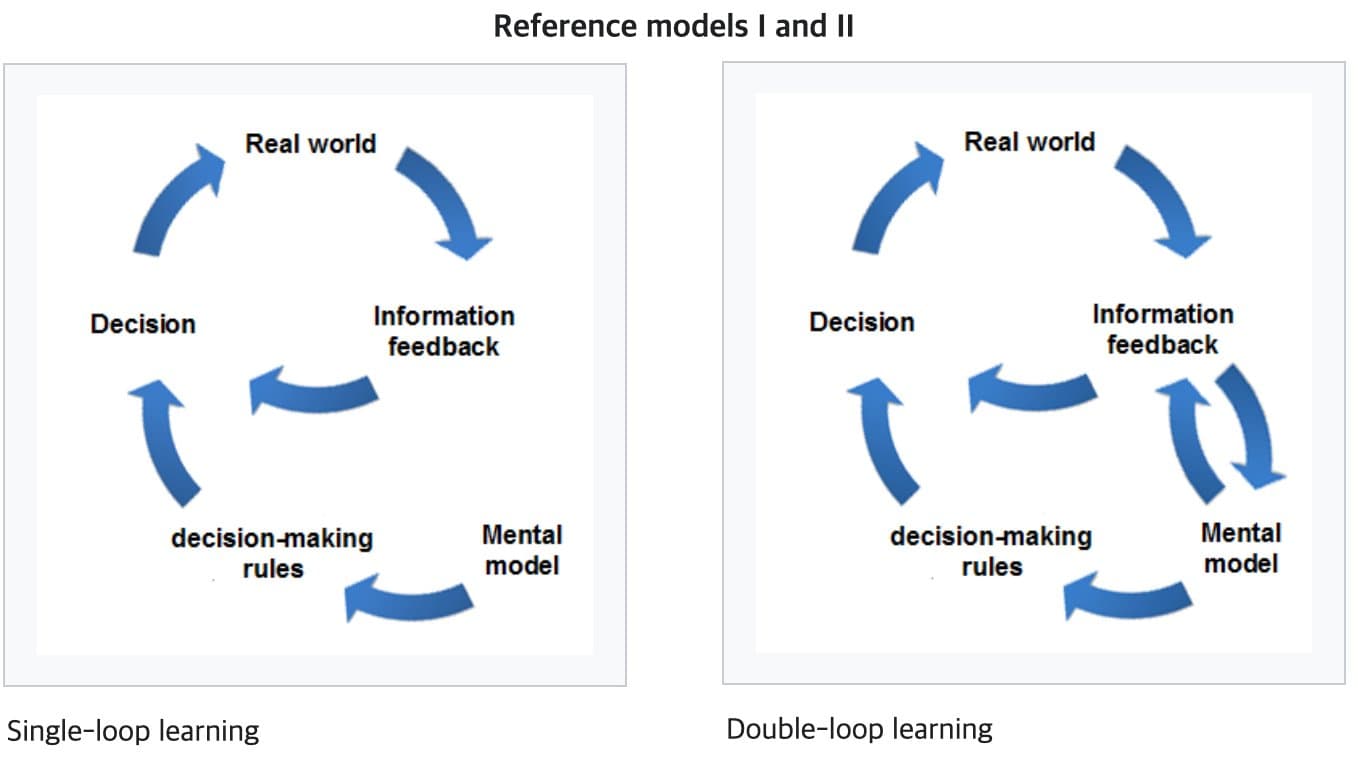
Of Google's countless projects, only about 50% succeed. The company even runs a unique space called 'The Google Cemetery' that displays tombstones of discontinued services. Google dissects these failures like autopsying a body, identifying direct and indirect causes of problems, documenting them precisely, and establishing countermeasures.
Aug 21, 20266 min read
BD Insights
Turning Opportunities into Organizational Capabilities
Open innovation is a paradigm where companies must intentionally bring in external ideas and technologies, share internal assets with the outside world, and create value to survive and grow. In other words, it's about breaking down organizational boundaries and increasing the probability of innovation through active external engagement—clearly demonstrating why 'absorptive capacity' is a core competitive advantage for modern startups.
CODEX 15. How to Design Structural Growth Strategies: The Ansoff Matrix and Expansion Pathways
Early success comes from an excellent product, but long-term growth comes from the ability to design a scalable business structure. Using the Ansoff Matrix and the Ohou case study, we outline three growth pathways: deepening the customer base, expanding the product portfolio, and entering new markets.
Growth comes not from a better product, but from a scalable business structure
A startup that succeeds in its initial market is like a young winemaker who has produced a single bottle of wine praised by critics. But creating one masterpiece bottle and running a multi-generational winery require completely different capabilities.
When growth stalls, many founders obsess over 'better features.' But the real cause is usually not the product—it's the business structure. The essence of an expansion strategy is not simply bringing in more customers, but creating a growth model that works in more contexts.
The Blueprint for Growth: The Ansoff Matrix
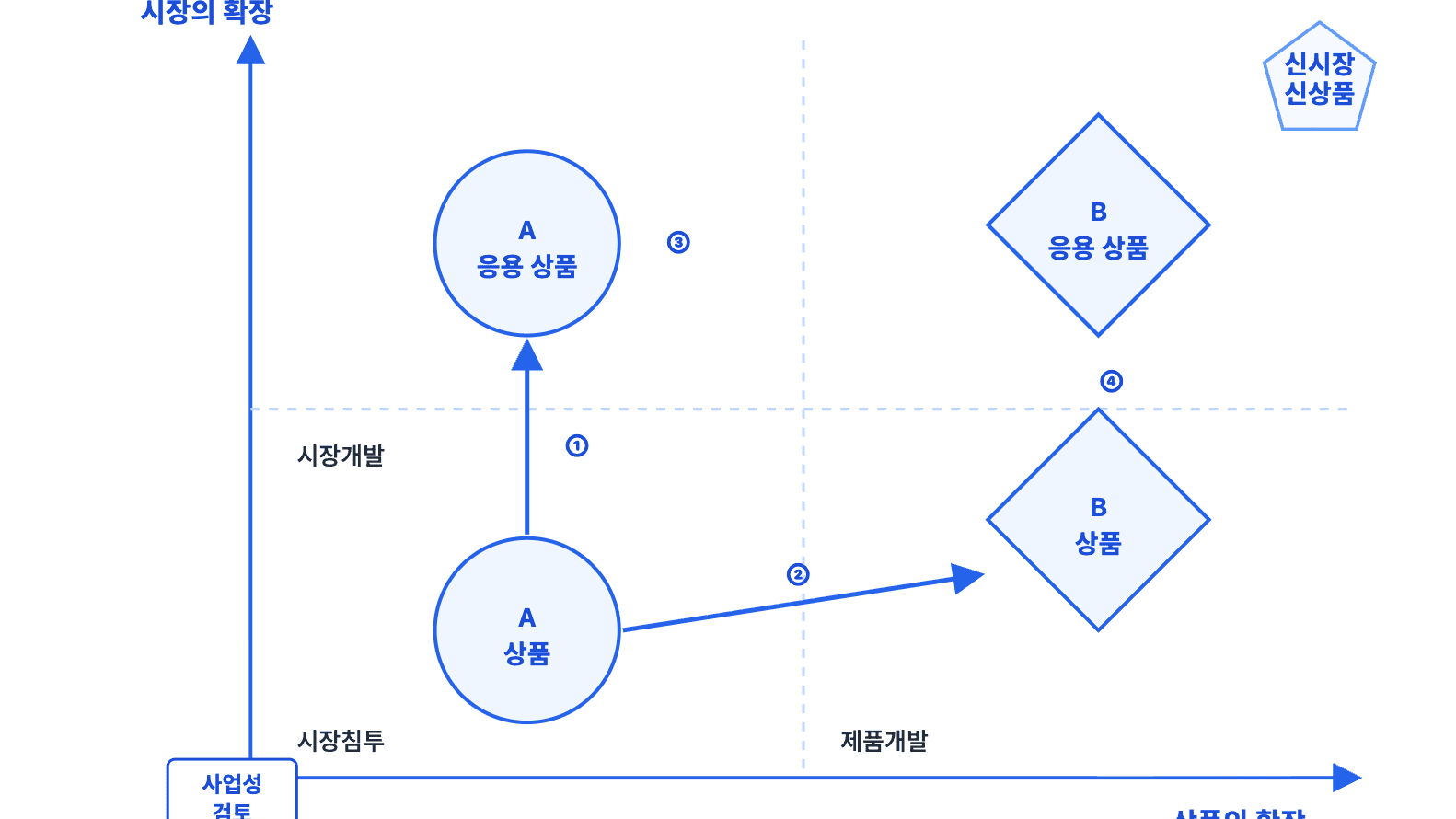
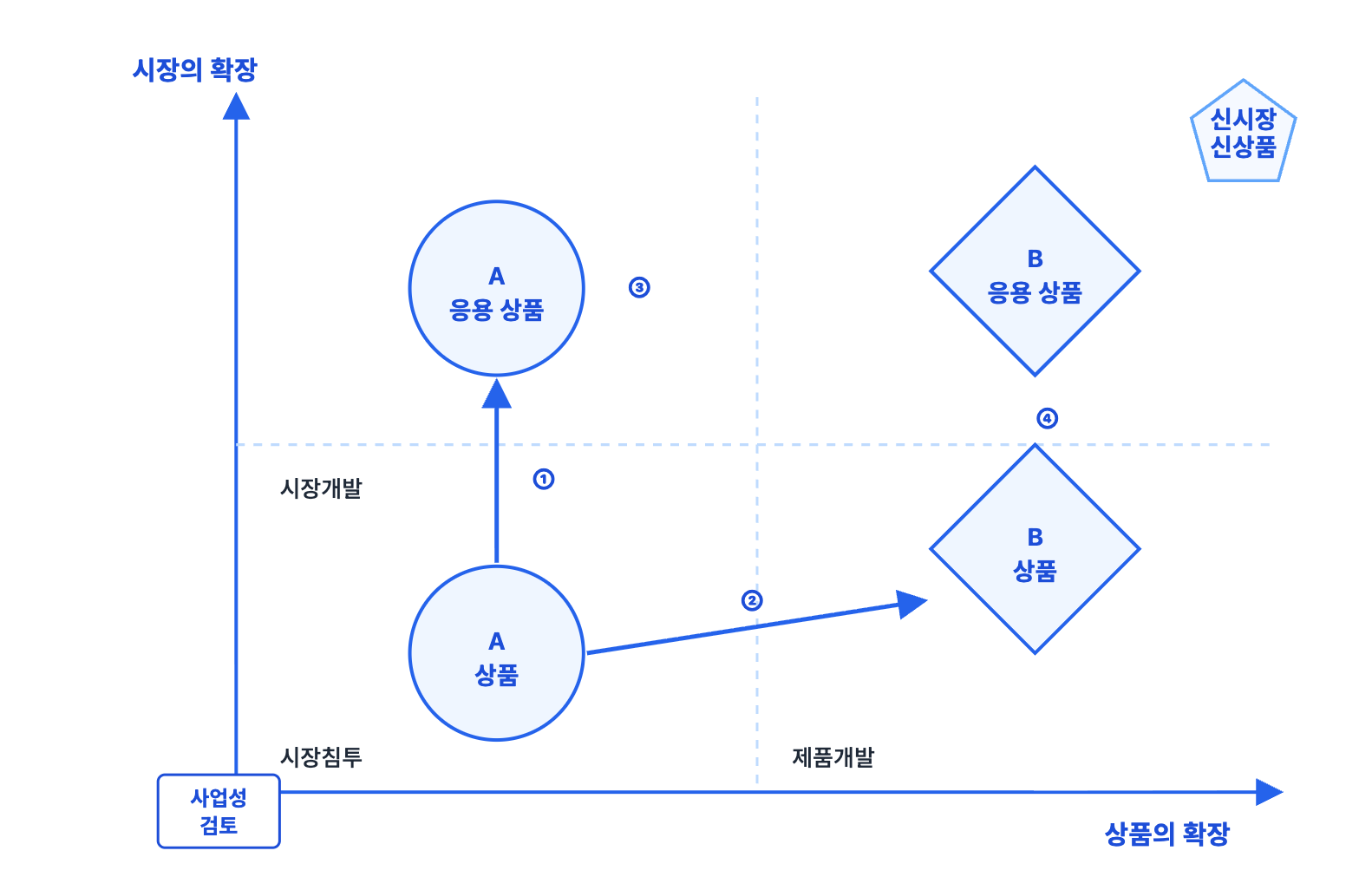
Growth is not about charging forward blindly—it's about choosing a direction. The Ansoff Matrix, a classic framework from management theory, shows four growth pathways a company can take.
@GritBD
Market Penetration
Sell more of your existing products to your existing customers, more often. This is the lowest-risk, highest-efficiency strategy.
Product Development
Launch new products that solve additional problems or needs for your existing customers. Because you leverage trust you've already built, sales costs are lower than acquiring new customers.
Market Development
Sell your proven existing products to new markets or customer segments. This is replicating your success formula.
Diversification
Enter a new market with a new product. This carries the highest risk of the four pathways and is not recommended for most early-stage startups.
Startups must choose which of these four growth pathways makes the most sense for them right now. In most cases, the most stable progression is market penetration → product development → market development, in that order.
1. Deepening the Customer Base: Market Penetration
The most stable starting point for growth is not finding new markets, but deepening relationships with existing customers. Ten loyal customers who buy repeatedly every year create a stronger foundation than 100 casual customers.
The key is maximizing LTV (customer lifetime value). This is a strategy of increasing value per customer, not increasing the number of customers. Use cohort analysis to identify which customer groups stay longest and spend most, then focus on acquiring more customers with those characteristics (your ICP, or ideal customer profile).
2. Expanding the Product Portfolio: Product Development
A single product cannot solve all of a customer's problems. Eventually, customers ask, 'Do you have other products?' This is when you need to expand your product portfolio.
There are three directions for expansion. First, tier expansion (upselling) by offering premium versions of your existing products. Second, complementary expansion (cross-selling) by adding related products that work alongside your existing products. Third, experience expansion (service) by developing services connected to your products, keeping the entire customer journey within your ecosystem.
What matters is not simply increasing the number of products, but mapping the customer journey to anticipate the next problems customers will face after their first product, then expanding by filling those gaps.
3. Market and Customer Expansion: Market Development
Once you've established a success formula in your existing market, it's time to replicate that formula in new markets. This is the final stage of expansion strategy.
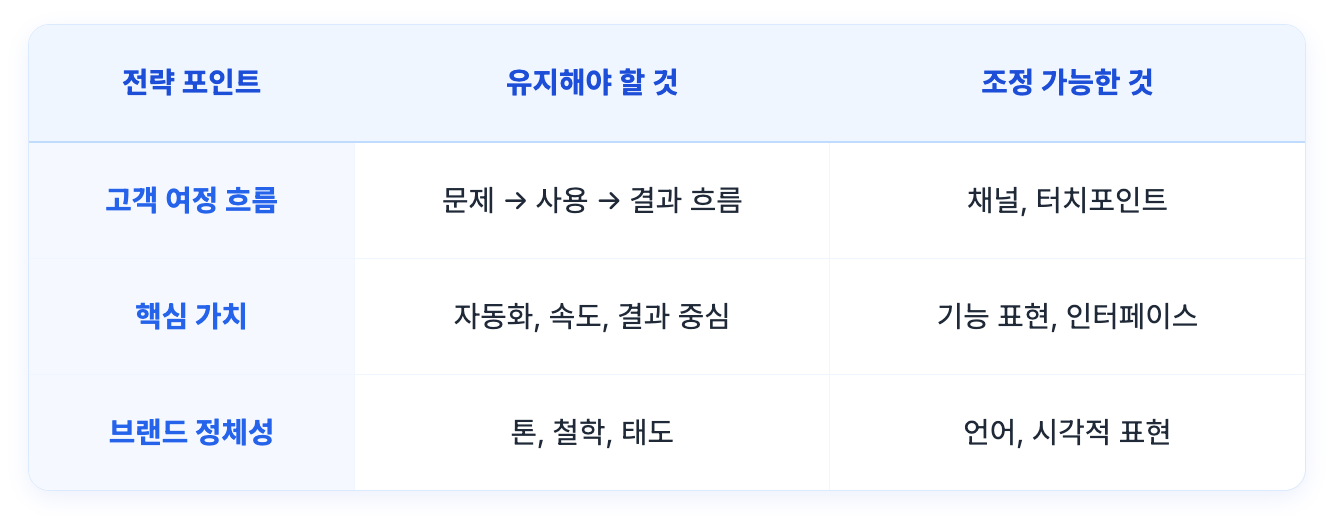
The most critical decision here is: what do you keep and what do you adjust? You must maintain your core value (the problem your product solves), but adjust your expression methods (marketing messages, pricing structure, distribution channels) to fit the culture and environment of the new market.
How Ohou Connected Three Growth Pathways
@Ohou
Ohou's expansion process is a case study in organically connecting the three pathways of the Ansoff Matrix.
Market Penetration
Ohou started by building a clearly defined initial customer base—'people serious about interior design'—in the form of a community. They created a feedback loop where users share their own spaces and reference other users' interiors, maximizing existing customers' time spent and return visit rates.
Product Development
They then integrated a 'store' feature allowing users to purchase furniture and accessories featured in community content. This was a natural transition from content to commerce, and a product portfolio expansion that precisely solved existing customers' next need ('Where can I buy this furniture?'). This transition led to explosive transaction volume growth.
Market Development
Ohou didn't stop there. To take responsibility for the entire interior design process, they expanded into service areas like moving, construction, and repair/installation, pioneering new markets. By solving the next problems existing customers face in the interior design process (How do I find a construction contractor?), they completed a consistent expansion pathway: community → commerce → services.
Through multidimensional expansion design spanning customers, products, and markets, Ohou transformed growth from a one-time event into a repeatable system.
3 Stages of Structural Growth Design
Stage 1. Define and go deep with your core customer base
The starting point for growth is not a new market—it's the core customers who form the foundation of your business today.
Action 1: Divide monthly signup groups (cohorts) and analyze which cohorts stay longest and spend most. Use this to clearly define your ideal customer profile (ICP).
Action 2: Design a membership program for loyal customers. Offer early access to new features, exclusive content, and discounts to convert casual users into ambassadors. This is the surest way to maximize LTV and lower CAC.
Action 3: Regularly diagnose why customers keep using your product or why they leave. Use NPS surveys and 1:1 interviews to identify and resolve churn drivers early.
Stage 2. Develop products that solve your existing customers' 'next problem'
Action 1: Map the customer journey to anticipate the next problems or needs customers will face after their first product. Plan new product lineups that can fill those gaps.
Action 2: Design synergies with existing products. Create product configurations that naturally lead customers to experience more value and spend more—bundle discounts (cross-selling), premium tier offers (upselling), etc.
Action 3: Expand beyond products into services. Develop experience offerings like consulting, training, or installation connected to your products, keeping the entire customer journey within your ecosystem.
Stage 3. Replicate your proven success formula in adjacent markets
Action 1: Identify adjacent markets with customers facing similar problems to your existing customers. Prioritize markets where your success formula can be applied, rather than just market size.
Action 2: Maintain your core value, but adjust marketing messages, pricing structure, and distribution channels to fit the new market's environment.
Action 3: Partner with local players who know the new market best (resellers, consulting firms, community leaders) to lower entry barriers.
Real growth begins when you design business structure, not just product
A hit product is born from a founder's capability, but sustained growth is the result of business structure design. Deepening the customer base, broadening the product portfolio, and replicating proven formulas in adjacent markets—when these three pathways are organically connected, growth becomes a repeatable system, not a one-time event.
True scale-up isn't about building a better product; it's about building a scalable business structure.
Feedback Loop to Rethink Your Thinking
Q1. At this stage, should our business focus more on acquiring new customers or deepening engagement with existing ones?
Q2. If customers buy our product once and leave, is it because we don't have a next product for them?
Q3. Which adjacent market can we apply our success formula to with minimal modification?
Q4. Are we asking 'Can we sell more of this product?' or 'Can we expand this business structure?'
[Startup Codex 22]
Produced with content used with the permission of Brunch writer jaha Kim.