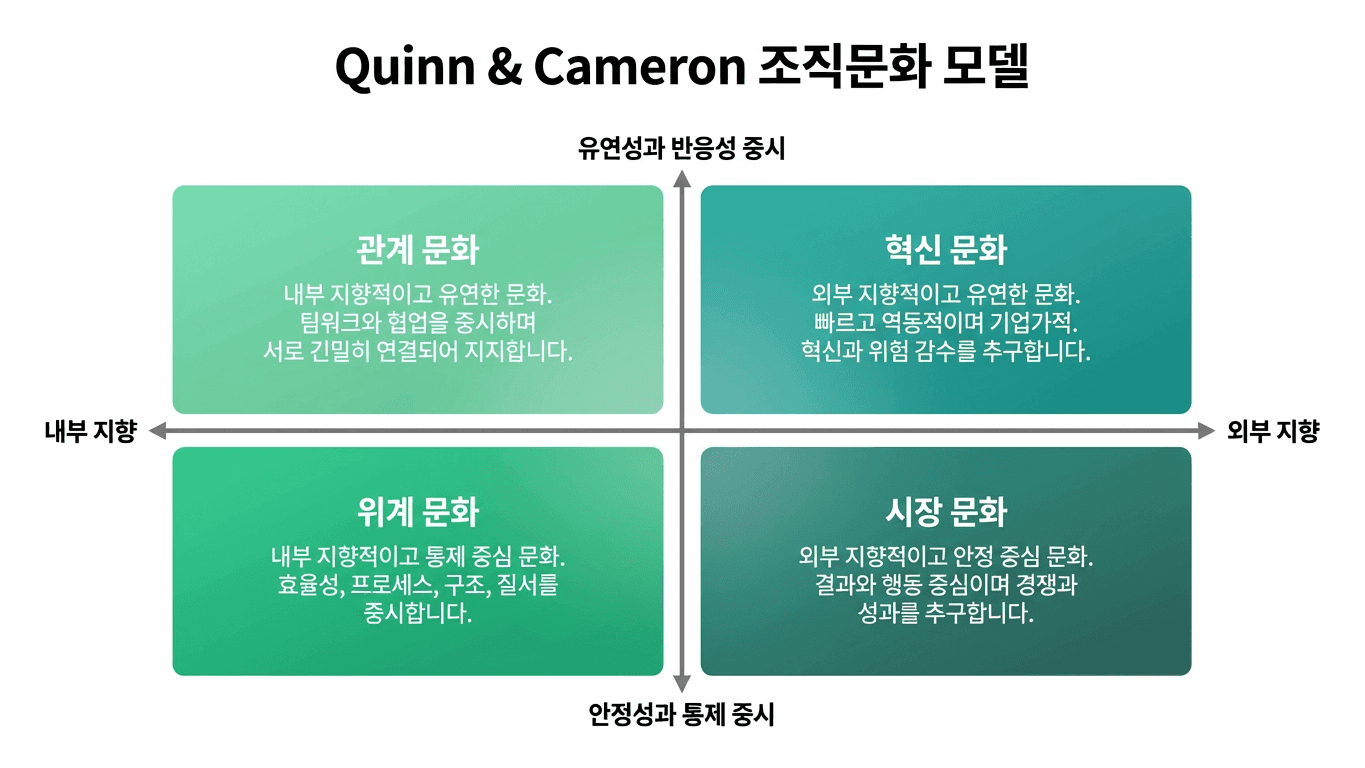
Assembling top individuals doesn't make a team. This article outlines how to design a small but solid team using three principles—role design, execution autonomy, and communication structure—along with the Quinn and Cameron organizational growth model.
Aug 31, 20264 min read
BD Insights
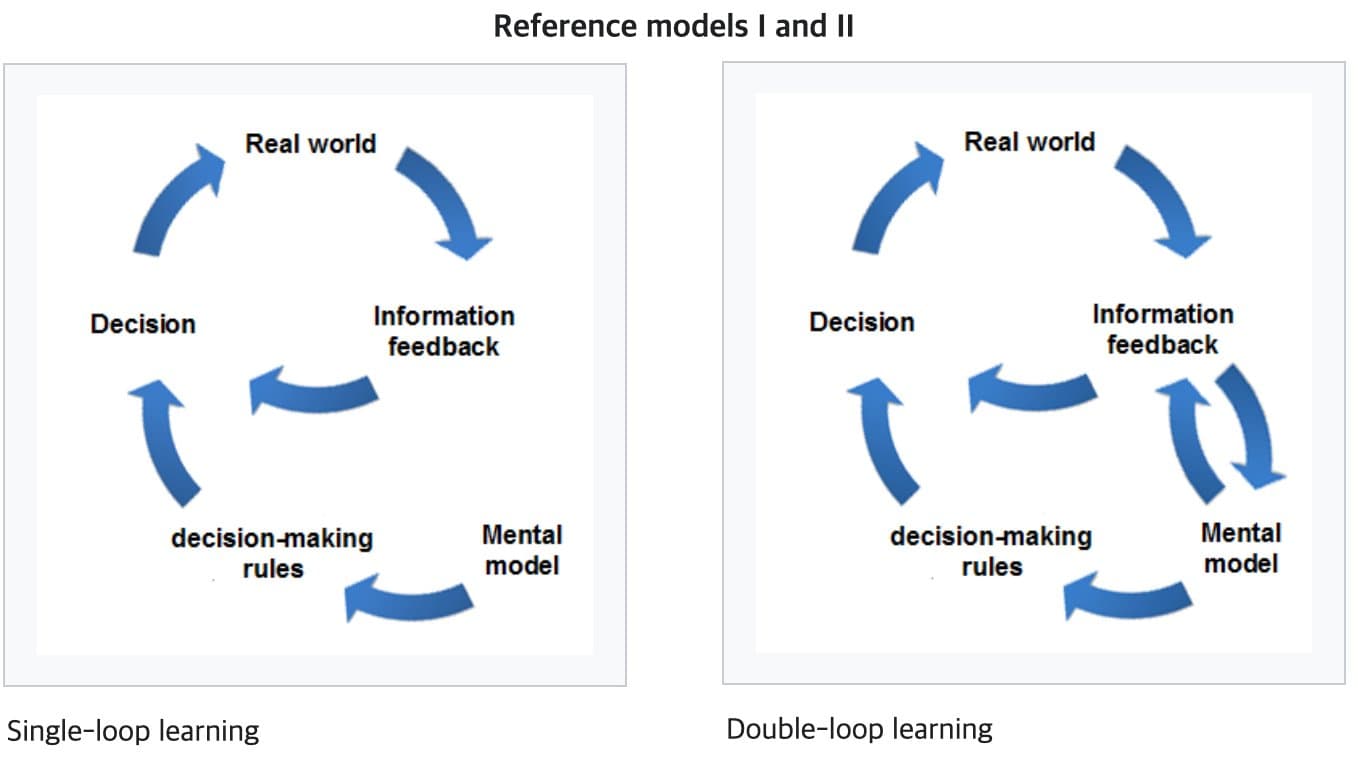
Fleet Learning: How to Turn Problem-Solving Into Organizational Capability
Of Google's countless projects, only about 50% succeed. The company even runs a unique space called 'The Google Cemetery' that displays tombstones of discontinued services. Google dissects these failures like autopsying a body, identifying direct and indirect causes of problems, documenting them precisely, and establishing countermeasures.
Aug 21, 20266 min read
BD Insights
Turning Opportunities into Organizational Capabilities
Open innovation is a paradigm where companies must intentionally bring in external ideas and technologies, share internal assets with the outside world, and create value to survive and grow. In other words, it's about breaking down organizational boundaries and increasing the probability of innovation through active external engagement—clearly demonstrating why 'absorptive capacity' is a core competitive advantage for modern startups.
CODEX 14. Don't Dig for Gold—Sell Shovels at the Goldmine: The 3-Stage Commercialization Strategy
Building a great product isn't enough. AWS transformed internet infrastructure into a 'rental business,' generating 67% of Amazon's total profit. This case illustrates the preempt-connect-expand framework for designing how products take root and grow in the market.
Commercialization strategy is not about 'what to build' but 'where to sell it'
During the Gold Rush, the real fortunes weren't made by miners digging for gold. They were made by merchants who first claimed the routes to the goldfields and sold pickaxes and jeans to every miner.
Levi's did this, and in the 21st century, AWS did the same. The essence of commercialization strategy is identical: not building the best product, but designing the path for that product to survive, connect, and grow within the market.
Stage 1. Preemption: Dominate a strategic beachhead, not the entire market
Many founders equate preemption with 'First Mover' status. But markets remember not the first entrant, but the company that established the standard in customers' minds. Preemption is a positioning problem, not a speed problem.
In management strategy, this is called the 'Beachhead Strategy.' Instead of attacking the entire market at once, find the one niche market that most desperately needs your product and establish overwhelming presence there.
Beachhead Selection
Which customer segment (Niche) finds it difficult to move forward without your product? The Beachhead customer definition covered in a previous article applies directly here.
Core Value Focus
What is the single value that makes those customers feel 'we can't proceed without this'? Solidifying your beachhead means deepening core value, not broadening features.
Social Proof Acquisition
Document your initial beachhead success through case studies, customer reviews, and referral examples to create a structure where adjacent customers come to you voluntarily.
Stage 2. Connection: Become an ecosystem hub, not an isolated product
After securing a beachhead, a common trap is the temptation to become a 'general store.' Trying to cram every feature into your product disperses development resources and dilutes core value. Customers don't use just your product—they operate within tools and workflows they already have.
A successful beachhead doesn't remain an isolated island. It becomes irreplaceable only when it connects with surrounding services and platforms to become an ecosystem intersection.
Product Integration
Integrate seamlessly with tools customers already use (Slack, Notion, Salesforce, etc.). The moment your product embeds into customers' existing workflows, switching costs rise and churn rates fall.
Channel Partnership
Secure distribution channels through partners (resellers, consulting firms, communities) who already have your target customers' trust. Borrow partner credibility to reach customer segments difficult to access through direct sales.
Stage 3. Expansion: Before seeking new markets, solve your existing customers' next problem
When growth plateaus, many founders immediately seek new markets. But the most stable expansion starts by solving the next problem for existing customers who already trust you. The 'adjacent market expansion (bowling alley)' principle from CODEX 6 applies directly here.
Product Expansion (Upselling / Cross-selling)
Once your core product is established, offer additional products solving related problems for the same customers to increase LTV. Trust earned from solving one problem dramatically reduces the sales cost for the next product.
Customer Expansion (Adjacent Market)
Identify adjacent customer segments experiencing the same problems as existing customers. Existing customer referrals and cases become your most powerful weapon for entering adjacent markets.
How AWS Generated 67% of Amazon's Profit
In the early 2000s, countless startups rushed into the new internet market. They all commonly struggled with infrastructure problems: server setup, traffic handling, data storage.
Instead of competing with them in internet services, Amazon made a different choice. It took the computing infrastructure (servers, storage, databases) already built to run its own shopping platform, divided it up, and started renting it to other companies. Thus AWS (Amazon Web Services) was born.
Stage 1: Preemption
AWS targeted a clear beachhead customer: 'early-stage startups without resources to build their own servers.' It offered them a pay-as-you-go model with no upfront costs and entered the market with a single value proposition: 'Focus on your product without worrying about servers.'
Stage 2: Connection
AWS didn't stop at providing its own services. It built a massive partner ecosystem (AWS Partner Network) connected to thousands of SaaS companies, consulting partners, and tech communities, becoming a platform where customers could solve everything they needed on top of AWS.
Stage 3: Expansion
Starting with startups, AWS sequentially added advanced services like security, analytics, and AI/ML that existing customers demanded as they grew. It then expanded into adjacent markets—enterprises, public institutions, and financial institutions—facing the same infrastructure problems.
The results are clear. Amazon is famous for online shopping, but its profit structure is completely different. AWS operating income is $24.6 billion, representing 67% of total profit with a 27% operating margin. Meanwhile, the rest of Amazon's businesses (online store, advertising, subscriptions, offline stores) generate $12.2 billion in operating income—33% of the total—with only a 2.5% operating margin. Amazon's real profit engine isn't the shopping platform but AWS, which preempted the infrastructure beachhead that every internet company must pass through.
Building a great product isn't enough
The core of commercialization strategy isn't building the best product. It's designing the entire path for that product to take root in the market (preemption), connect with the surrounding ecosystem (connection), and expand based on existing customer trust (expansion). A market entered without a beachhead is a wasteland, a product without connections is an isolated island, and expansion that ignores existing customers is a castle built on sand.
Companies that survive in the market aren't those with the best product, but those that claimed the best position first.
Feedback Loop to Rethink Your Approach
Q1. Are we scattered toward the entire market, or have we secured one small but solid beachhead (SOM)?
Q2. Does our product demand entirely new behaviors from customers, or does it connect naturally to their existing habits and tools?
Q3. Is our expansion plan based on vague new customer acquisition, or does it start with solving existing customers' next problem?
Q4. Is our product an isolated island, or an ecosystem hub connected to other services?
[Startup Codex 22]
Produced using content from Brunch author jaha Kim with permission.