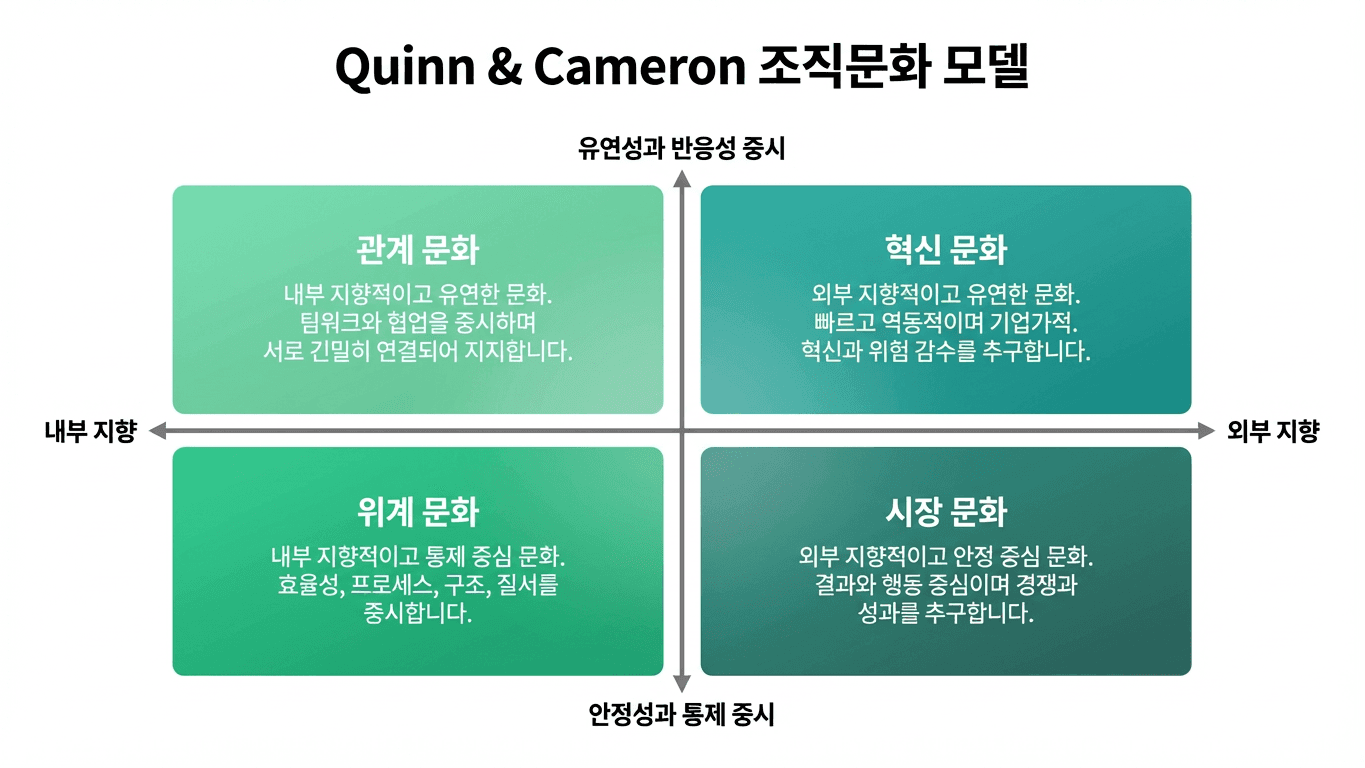
Gathering the best individuals doesn't make a team. This article outlines how to design a small but solid team using three principles—role design, execution autonomy, and communication structure—along with Quinn and Cameron's organizational growth model.
Aug 31, 20264 min read
BD Insights
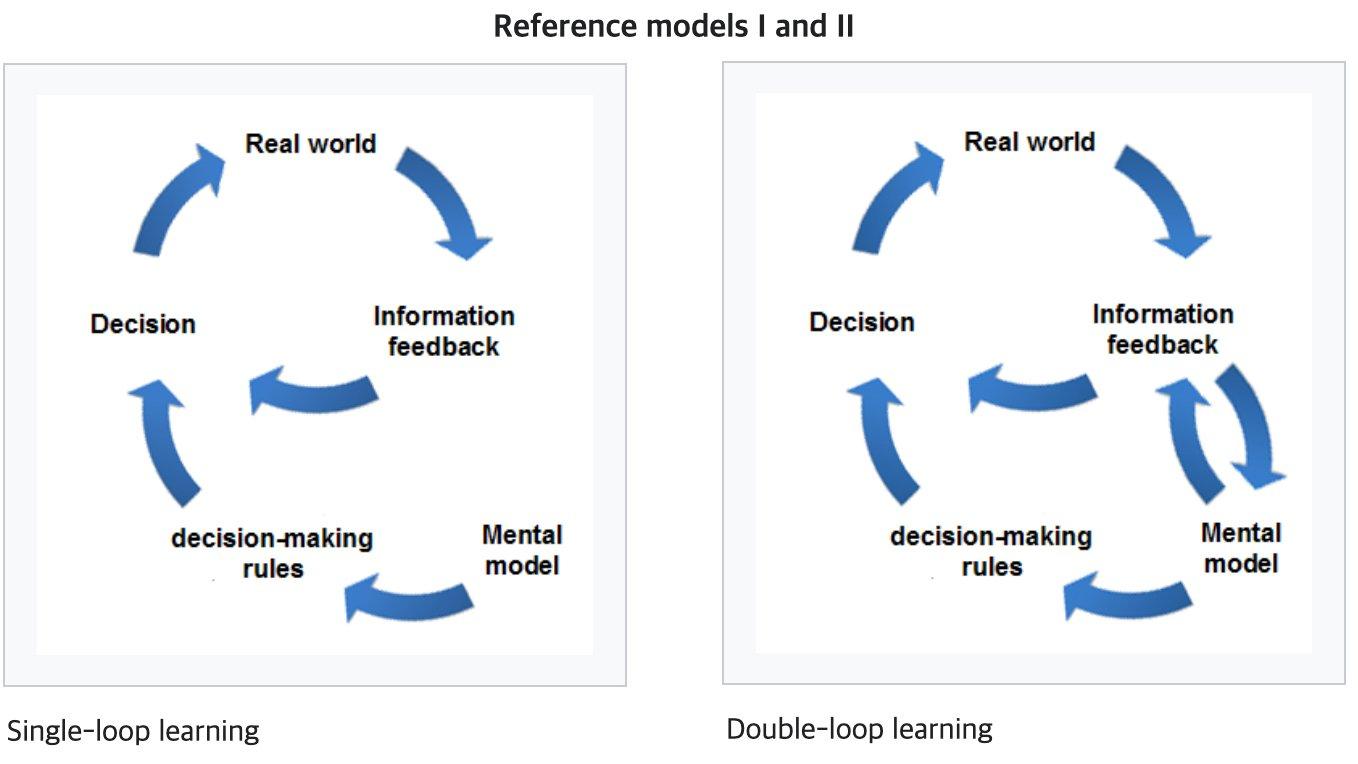
Fleet Learning: Building Problem-Solving Capability as an Organizational Competency
Among Google's countless projects, the success rate is only around 50%. They even operate a unique space called 'The Google Cemetery,' which displays the tombstones of discontinued services. Google autopsies these failures, identifying direct and indirect causes of problems, accurately recording them, and establishing countermeasures.
Aug 21, 20266 min read
BD Insights
The Process of Turning Opportunity into Organizational Capability
Open innovation is a paradigm that demands companies intentionally bring external ideas and technologies inside, share internal assets with the outside, and create value in order to survive and grow. In other words, it means breaking down organizational boundaries and raising the odds of innovation through active external interaction—and this clearly shows why 'absorptive capacity' is a core competitive advantage for modern startups.
CODEX 14. Don't Dig for Gold—Sell Jeans at the Crossroads to the Gold Rush: Three Stages of Commercialization Strategy
Creating a great product is not enough. This case study of how AWS transformed internet infrastructure into a 'rental business' that now generates 67% of Amazon's total profit illustrates the preempt-connect-expand framework for designing how a product takes root and grows in the market.
Commercialization strategy is not 'what to build' but 'where to sell'
During the Gold Rush, those who truly accumulated wealth weren't the miners digging for gold. They were the merchants who seized the crossroads leading to the mines and sold pickaxes and jeans to every prospector.
Levi's did this then, and in the 21st century, AWS did the same. The essence of commercialization strategy is identical. It's not about building the best product—it's about designing the pathway for that product to survive, connect, and grow within the market.
Stage 1. Preemption: Dominate a strategic stronghold, not the entire market
Many founders equate preemption with being the 'First Mover.' But markets don't remember the company that entered first—they remember the one that established the standard in customers' minds. Preemption is not a question of speed; it's a question of positioning.
In business strategy, this is called the 'Beachhead Strategy.' Instead of attacking the entire market at once, you find the single niche that most desperately needs your product and establish overwhelming presence there.
Selecting the Stronghold
Which customer segment (niche) would struggle to move forward without our product? The Beachhead customer definition covered in a previous article applies directly here.
Core Value Focus
What is the single value that makes these customers feel 'work cannot proceed without this'? Strengthening the stronghold comes not from broadening features but from deepening core value.
Securing Social Proof
Document the success of your initial stronghold through case studies, customer reviews, and referral examples to create a structure where adjacent customers come to you organically.
Stage 2. Connection: Become a hub in the ecosystem, not an isolated product
A common trap after securing a stronghold is the temptation to become a 'general store.' Trying to pack every feature into your product scatters development resources and dilutes core value. Customers don't use just your product—they operate within tools and workflows they already have.
A successful stronghold doesn't remain an isolated island. It becomes irreplaceable only when it connects with surrounding services and platforms to become a hub in the ecosystem.
Product Integration
Integrate seamlessly with the tools customers already use (Slack, Notion, Salesforce, etc.). The moment your product fits into customers' existing workflows, switching costs rise and churn falls.
Channel Partnership
Secure distribution channels through partners (resellers, consulting firms, communities) who already have your target customers' trust. Leverage partner credibility to reach customer segments difficult to access through direct sales.
Stage 3. Expansion: Solve existing customers' next problem before seeking new markets
When growth stalls, many founders immediately seek new markets. But the most stable expansion starts by solving the next problem for existing customers who already trust you. The 'adjacent market expansion (bowling alley)' principle from CODEX 6 applies directly here.
Product Expansion (Upselling / Cross-selling)
Once the core product is established, propose additional products that solve related problems for the same customers to increase LTV. The trust earned from solving one problem dramatically lowers the sales cost of the next product.
Customer Expansion (Adjacent Market)
Identify adjacent customer segments facing the same problems as existing customers. Existing customer referrals and case studies become your most powerful weapon for entering adjacent markets.
How AWS Came to Generate 67% of Amazon's Profit
In the early 2000s, countless startups rushed into the new market called the internet. They all commonly faced infrastructure challenges: server setup, traffic handling, and data storage.
Instead of joining them in internet service competition, Amazon made a different choice. They split up the computing infrastructure (servers, storage, databases) they'd already built to run their own shopping platform and started renting it to other companies. AWS (Amazon Web Services) was born.
Stage 1: Preemption
AWS targeted a clear beachhead customer: 'early-stage startups without resources to build their own servers.' They offered a pay-as-you-go model with no upfront costs and entered the market with a single value proposition: 'Focus on your product without worrying about servers.'
Stage 2: Connection
AWS didn't stop at providing its own services. It built a massive partner ecosystem (AWS Partner Network) connecting thousands of SaaS companies, consulting partners, and tech communities, becoming a platform where customers could solve everything they needed on top of AWS.
Stage 3: Expansion
Starting with startups, AWS sequentially added advanced services like security, analytics, and AI/ML that existing customers demanded as they grew. It then expanded to adjacent markets—enterprises, government agencies, and financial institutions—facing the same infrastructure challenges.
The results are clear. Amazon is famous as an online shopping platform, but its profit structure is entirely different. AWS generated $24.6 billion in operating income, representing 67% of total profit with a 27% operating margin. By contrast, all other businesses (online store, advertising, subscriptions, offline stores) generated $12.2 billion in operating income—33% of the total—with just a 2.5% operating margin. Amazon's real profit engine isn't the shopping platform but AWS, which preempted the infrastructure stronghold that every internet company must pass through.
Creating a great product is not enough
The core of commercialization strategy is not building the best product. It's designing the entire pathway for that product to take root in the market (preemption), connect with the surrounding ecosystem (connection), and expand based on existing customer trust (expansion). A market entered without a stronghold is a wasteland, a product without connections is an isolated island, and expansion that ignores existing customers is a castle built on sand.
The companies that survive in the market aren't those with the best product—they're the ones that seized the best position first.
Feedback Loop to Rethink Your Approach
Q1. Are we scattered across the entire market, or have we secured one solid stronghold (SOM), however small?
Q2. Does our product demand completely new behavior from customers, or does it connect naturally to their existing habits and tools?
Q3. Does our expansion plan rest on vague new customer acquisition, or does it start by solving existing customers' next problems?
Q4. Is our product an isolated island, or is it a hub connected to an ecosystem of other services?
[Startup Codex 22]
Created with permission from Brunch author jaha Kim.