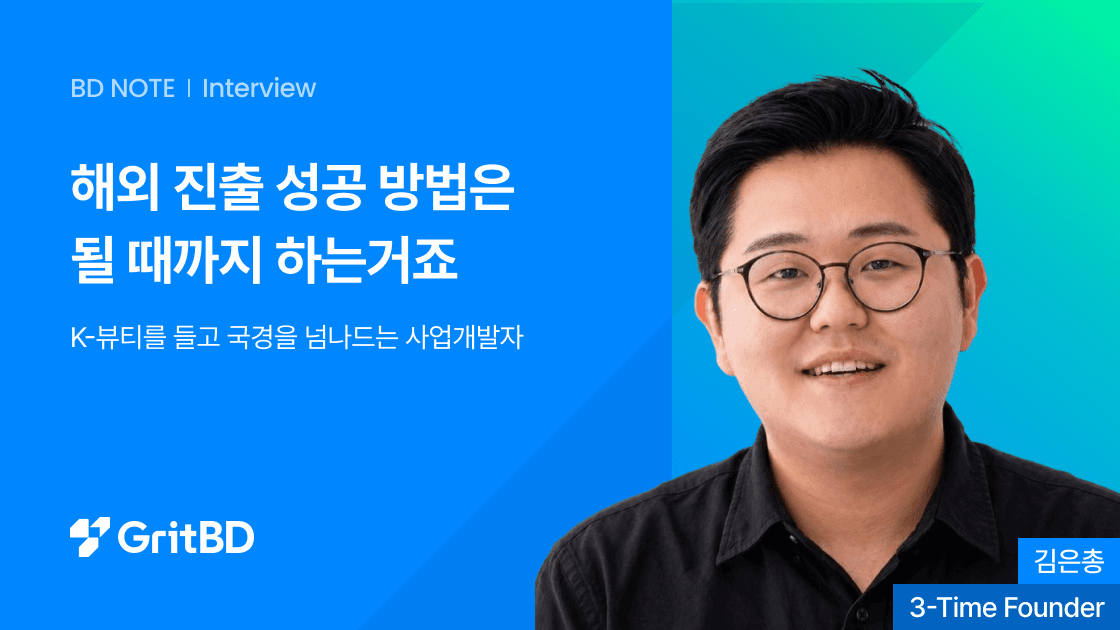
"The secret to succeeding overseas? You keep going until you do." A BD professional crossing borders with K-beauty
15 min read
Related articles
BD Insights
How to Build a Small but Strong Team
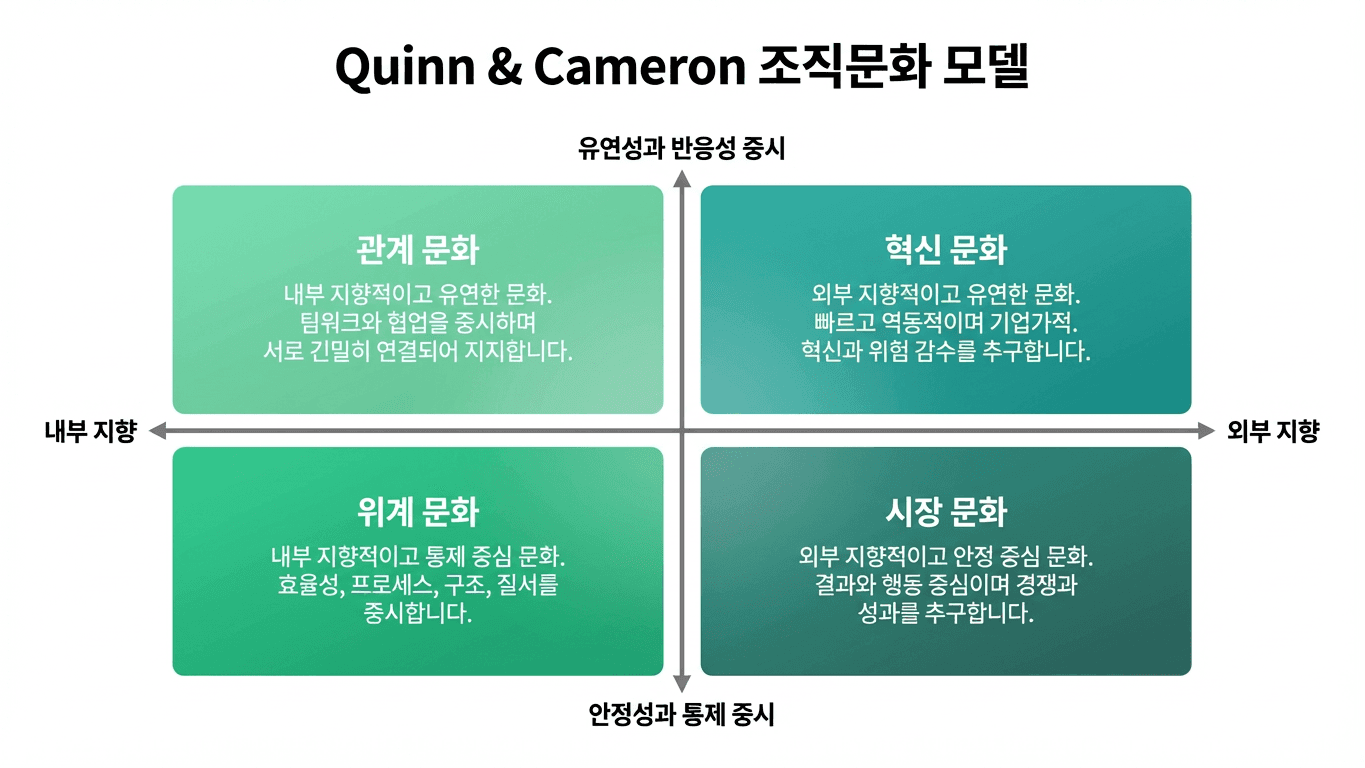
Gathering the best individuals doesn't make a team. This article outlines how to design a small but solid team using three principles—role design, execution autonomy, and communication structure—along with Quinn and Cameron's organizational growth model.
Aug 31, 20264 min read
BD Insights
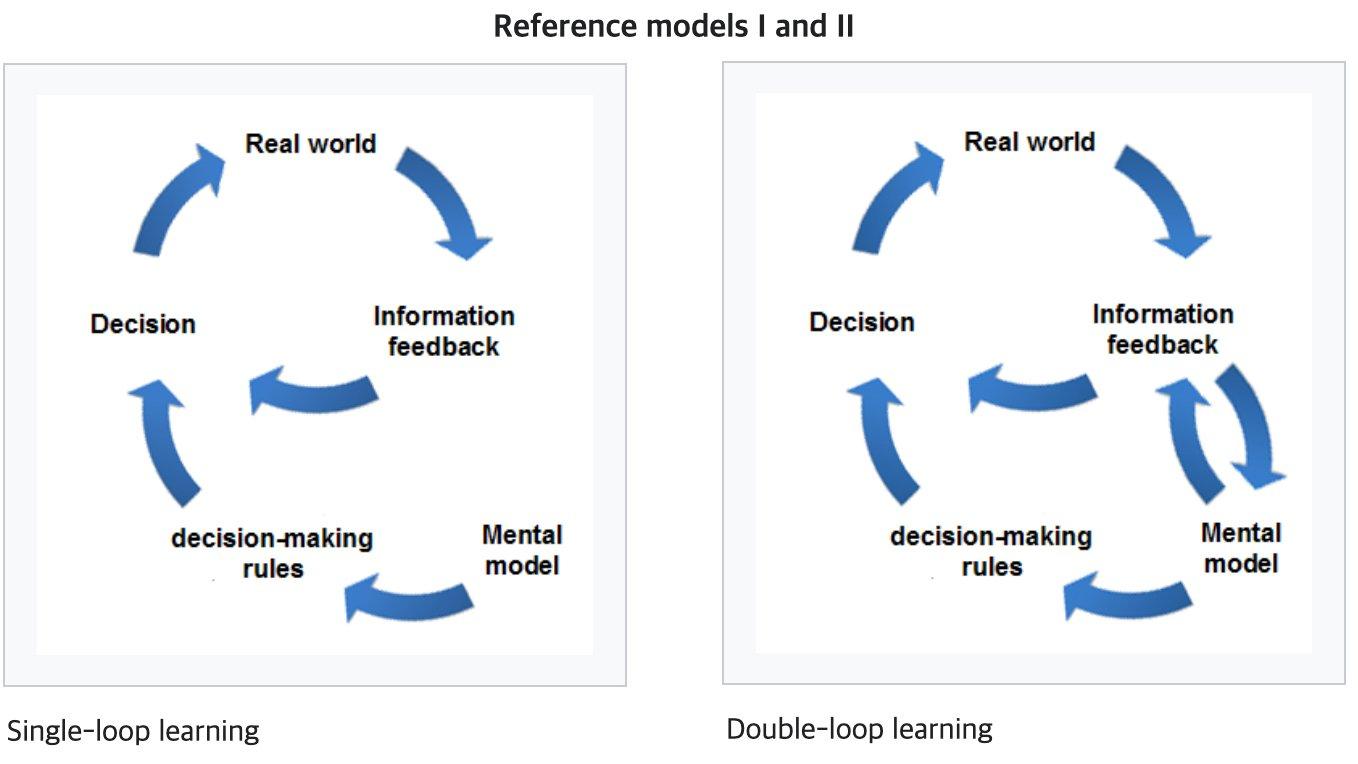
Fleet Learning: Building Problem-Solving Capability as an Organizational Competency
Among Google's countless projects, the success rate is only around 50%. They even operate a unique space called 'The Google Cemetery,' which displays the tombstones of discontinued services. Google autopsies these failures, identifying direct and indirect causes of problems, accurately recording them, and establishing countermeasures.
Aug 21, 20266 min read
BD Insights
The Process of Turning Opportunity into Organizational Capability
Open innovation is a paradigm that demands companies intentionally bring external ideas and technologies inside, share internal assets with the outside, and create value in order to survive and grow. In other words, it means breaking down organizational boundaries and raising the odds of innovation through active external interaction—and this clearly shows why 'absorptive capacity' is a core competitive advantage for modern startups.
A student studying abroad and dreaming of becoming a diplomat gets a chance to test-drive a Tesla. The moment he experiences a car that changes lanes on its own, a dream takes hold: 'I want to be like Elon Musk.' That pull leads him away from diplomacy and toward entrepreneurship.
His path never stayed in one place. He launched businesses across different fields, shut some down, and saved others through crisis. Ten years later, he arrives back in the global market where he started—but this time he's not alone. Hoping to help more K-beauty brands reach the bigger stage, he's knocking on buyers' doors himself.
Some say you should dig deep in one thing, but he's walked the opposite path and proven his own way. Every time the field changed, he didn't hesitate to start learning from scratch, and that accumulated experience has become the asset that now lets him forge a path on the toughest stage of all: the global market. We followed the journey of someone who's been running without ever staying still, to see where he's headed now.
Interview Navigation 1. The first global stage that launched an entrepreneur 2. A fierce execution record from webtoons to franchises 3. The reality of K-beauty's global expansion 4. A BD professional dreaming of becoming a super-connector
The first global stage that launched an entrepreneur
Q. How do you introduce yourself when you meet someone for the first time?
These days I say, "I'm Kim Eun-chong, and I export domestic K-beauty companies overseas." Actually, I rarely had to introduce myself before. I'd done so many different things. But recently as I've focused on global exports, that's become the one line that best explains who I am today.
Q. Looking across your diverse career, I think 'global' might be the defining keyword. Your first overseas experience was your school years in China, right?
I first went to study in China in 2003. I was in middle school then. I started near Shenzhen, transferred to Shanghai, then moved to an international school in Beijing where I graduated. My mother encouraged it, and at the time there was this atmosphere of 'China will soon be a G2, so it's good to be there early.' I was still young and couldn't be with my family, so adapting in a foreign place wasn't as easy as expected. But from that time on, I made all the big decisions myself—like where to go to school. I became independent quickly. Looking back, becoming independent that way was really good for me.
Q. After studying abroad for so long, going straight into entrepreneurship instead of joining a company isn't the typical choice. Did you always dream of starting a business?
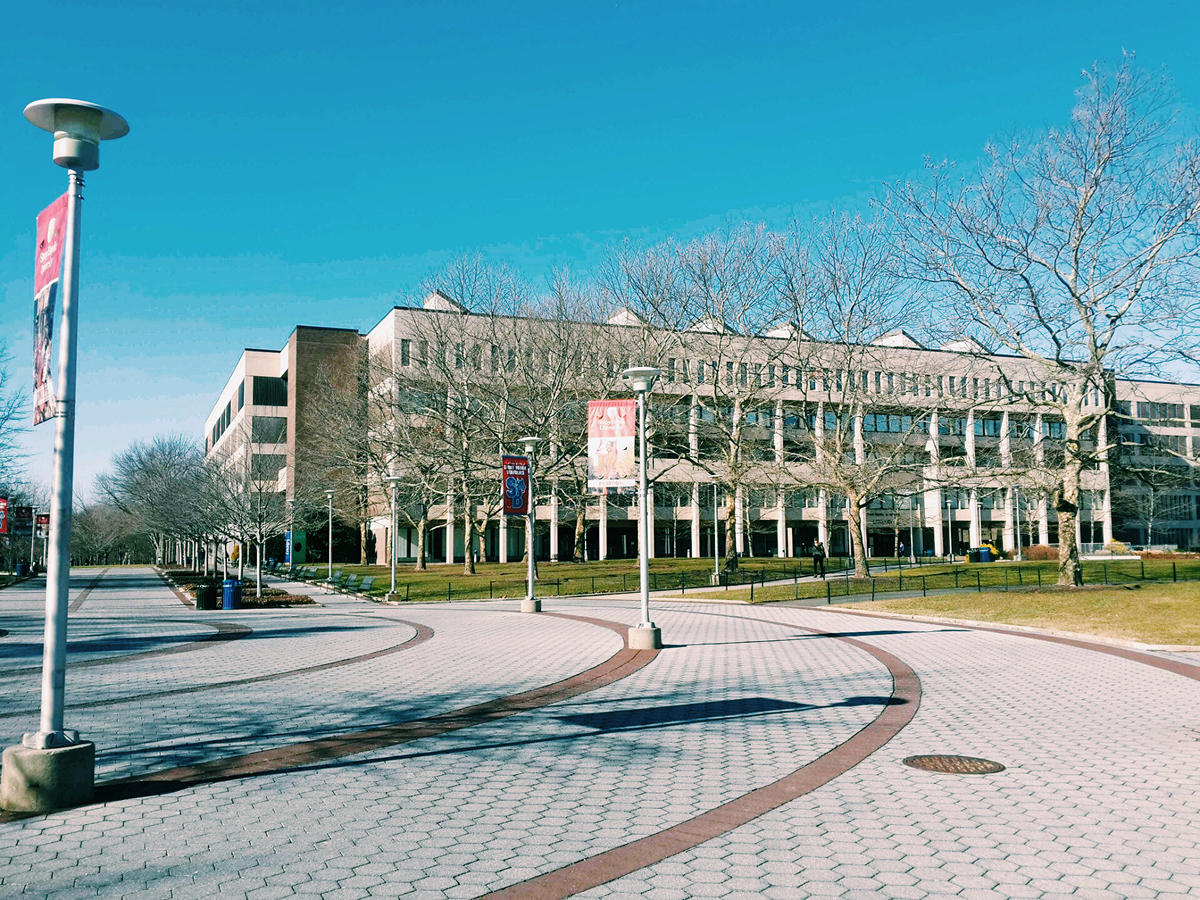
Not at all. My original dream was to be a diplomat. I'd also lived in the Philippines for about a year, so moving through different countries drew me to things like international relations. I wanted to work coordinating between nations, like at a UN agency. But the school I went to (SUNY Stony Brook) didn't have international relations, so I majored in Asian studies, which was closest. I kept going to school thinking I'd prepare for the diplomatic academy.
But during winter break before graduation in 2015, I found a car on campus I'd never seen before. It had a panel or something on the front, so at first I thought it was an undercover police car, but it turned out to be a Tesla. The car was so cool and fascinating. So I asked my older brother in San Francisco to help me test-drive one, and when I saw the autopilot changing lanes by itself, I was completely shocked. That's how I became interested in this person Elon Musk. What he did was ultimately entrepreneurship—he'd started multiple companies.
I started thinking I wanted to do something this innovative and fun going forward, and from then on I prepared for entrepreneurship whenever I had time. Since I was a senior I could take fewer classes, so outside of class I spent the rest of my time thinking about startup ideas.
Q. Wasn't preparing to start a business difficult? You must have felt some uncertainty.
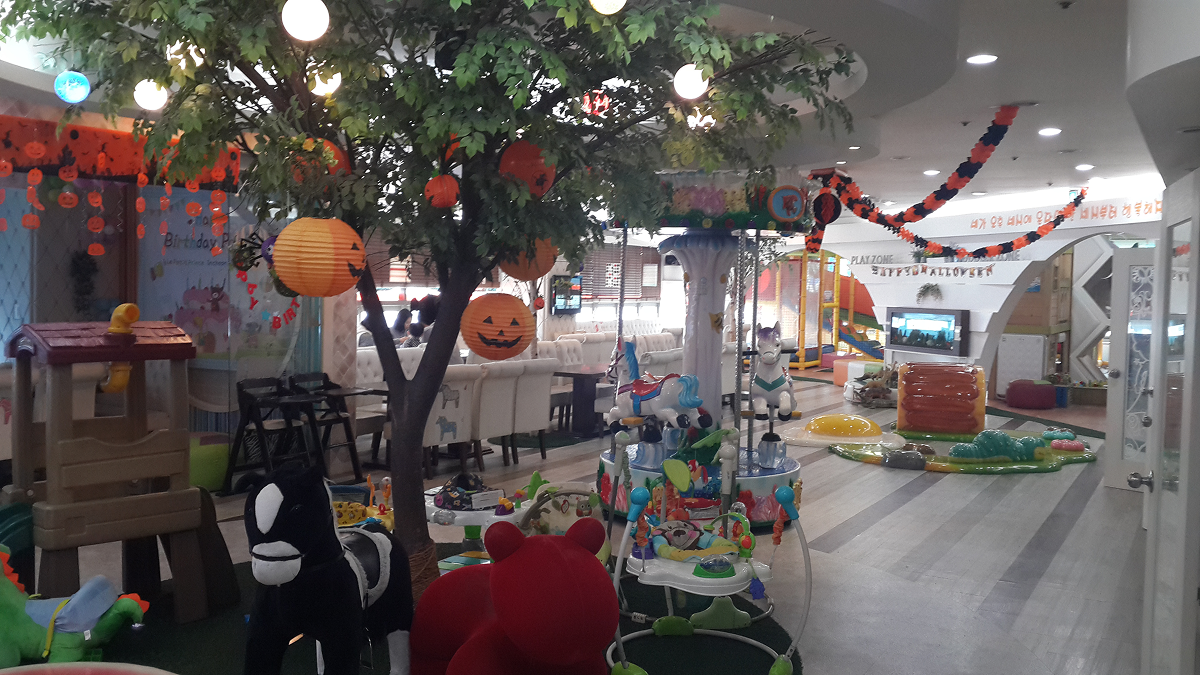
Actually, looking back, I'd been doing things close to entrepreneurship since middle school and high school. There were a lot of Korean kids at the international school, and I created a sort of laundry service that collected and returned laundry in batches. When we wanted Korean food, I'd collect orders for a nearby Korean grocery, place bulk orders, and charge a little extra on delivery. I also resold clothes from Dongdaemun. There was already a Korean wave back then. I didn't do it thinking 'this is entrepreneurship'—I just kept doing fun things when I saw opportunities. After coming back from the military, I also ran a kids cafe and helped out at a startup run by someone I knew. If anything, entrepreneurship felt more familiar to me than employment.
Q. So let's talk about after you formally launched. I'd like to hear about your first venture after all that consideration.
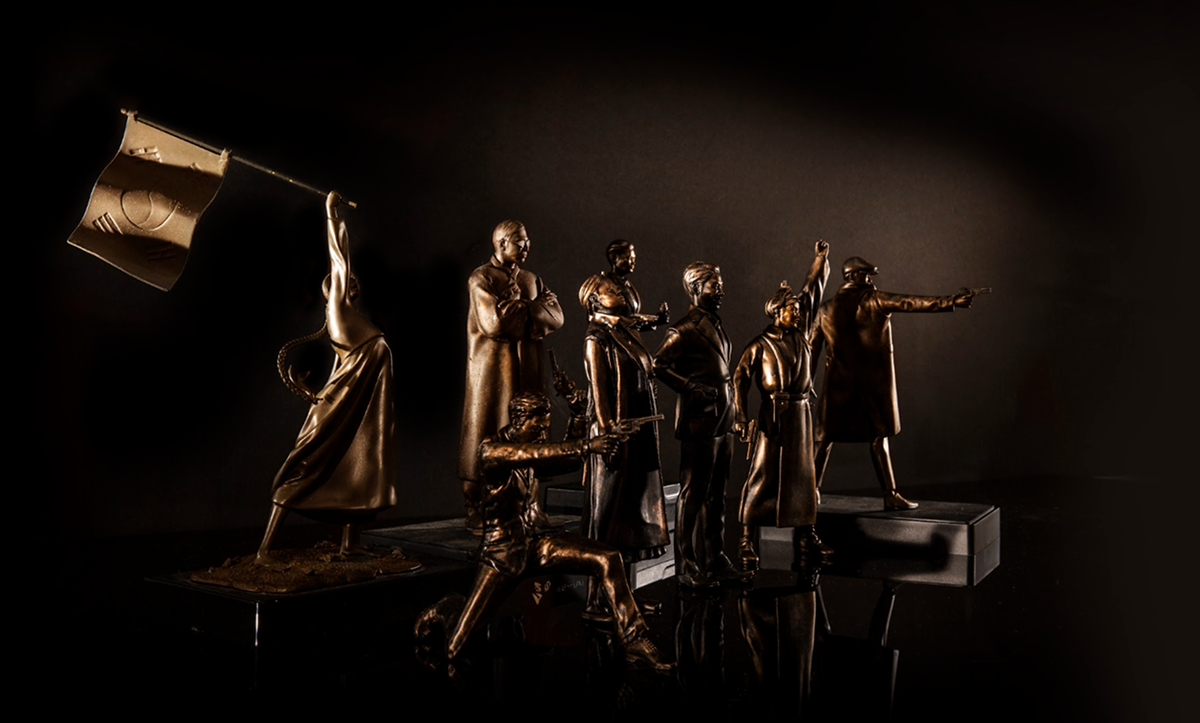
I liked movies, figures, Lego—things like that. I thought, 'If I do business in this area, it'll be fun apart from the money.' I registered the business in November 2016 and started with an Ahn Jung-geun figure project.
I ran it through crowdfunding, and since the keyword was the independence movement, I'd get inquiries each season and it became somewhat talked about. But it didn't have the explosive growth you'd expect from a startup. So I started wondering, 'How long can I keep doing this, should I really keep putting energy into it?' It was closer to a project than a full-scale startup.
I don't regret what I did, but looking back, I do wonder—if I had pivoted slightly or pushed more aggressively, could it have become a successful business model? What if I'd tried once more instead of stopping completely?
Q. Next came the English kindergarten—a completely new field. What led you to start that?
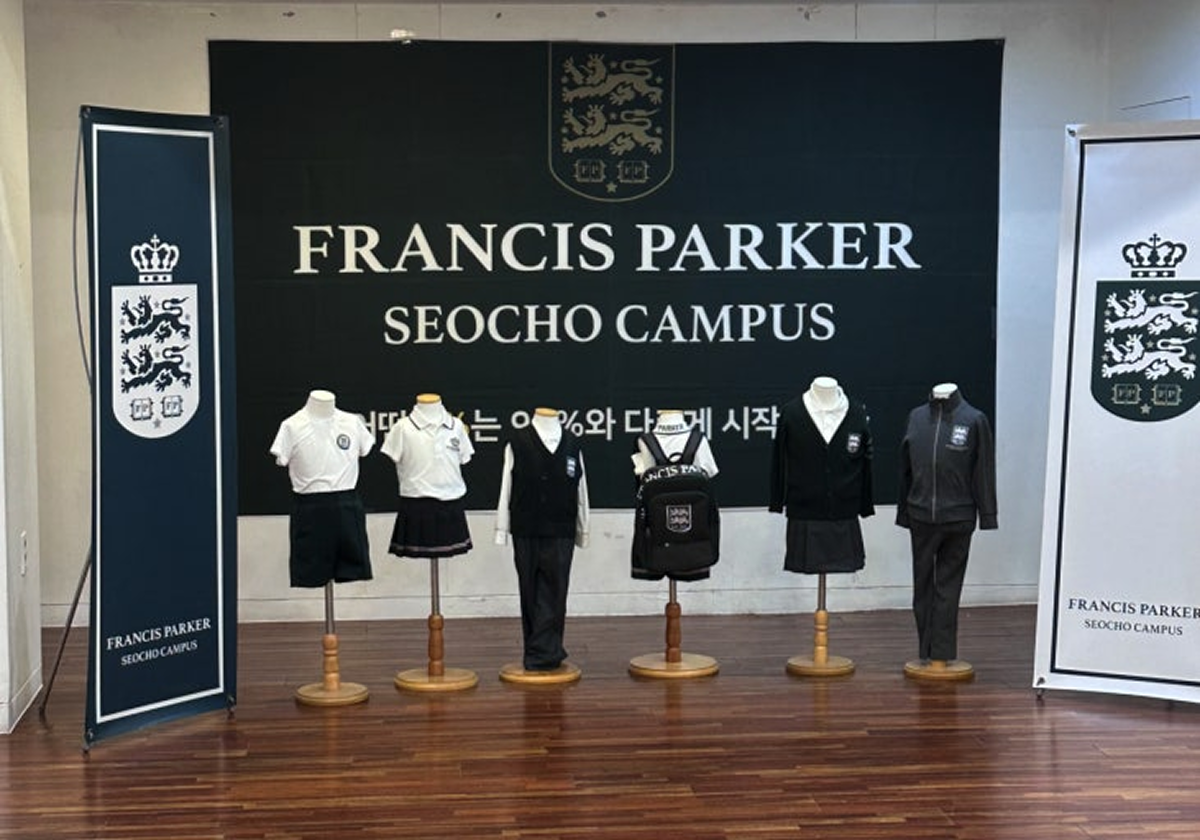
My mother had run a kindergarten for a long time, but a redevelopment issue came up in the area, so she had to relocate. Daycare centers and kindergartens have debt ratio limits, so we decided to purchase a building. The existing kindergarten format wasn't viable anymore, so we thought, 'Let's try an English kindergarten,' and launched it together in 2019. It was a family business.
Q. It was familiar territory for your mother, but for you, the English kindergarten must have been quite different from your previous ventures.
Completely different. Regular kindergartens operate on government subsidies and vouchers, so once you're established, enrollment isn't that hard. But an English kindergarten gets no government support—it's pure self-employment. We had to rebuild everything from the ground up: the program, design, logo. We created a new brand, launched it, and handled all the sales within a year.
Then COVID hit. Even one confirmed case meant closing for a week. Teacher salaries kept going out, but we couldn't collect tuition normally. Operations were shaky for over two years.
Q. In your resume, you described this period as the 'valley of death.' How did you get through such a difficult crisis?
As COVID was winding down, we converted our individual brand into a franchise. It was a last-ditch effort. Converting to a franchise meant starting from zero again—franchise fees, interior work, continuous reinvestment. The burden was huge. My mother was worried too. If it didn't work, we could've lost everything. But that gamble paid off. Fortunately, we've established stable operations, and recently we even converted to a family corporation.
Q. After running the English kindergarten, you joined a company instead of starting another business. Your career path is truly unpredictable.
I was fortunate to receive an offer and joined The Dream Entertainment, a webtoon studio, on their new business team. When I joined, there were about 40 people; when I left, 70–80; now it's close to 200. During COVID, webtoons exploded with incredible momentum. I wanted to see firsthand how a top company operates, how the webtoon system works. That experience ultimately became a solid foundation for my later startup.
Q. You actually used that experience to launch a webtoon studio and even exited.
I founded a webtoon studio (Hero Studio), scaled the IP quickly, then sold it to a company that needed serialized content. It was one year after founding. I didn't plan the exit from the start—I just saw the opportunity and moved fast. Regardless of the amount, I believed that as an entrepreneur, you should try many things.
Q. Your next career was neither startup founder nor employee—you became a professor. You served as a full-time professor at the Youth Startup Academy until last year.
The Youth Startup Academy was something I aspired to, especially as an early-stage entrepreneur. I'd been doing mentoring and lectures when opportunities came up, but mentoring tends to be one-off, which felt limiting. I thought working with companies over a longer period would be much more rewarding. Having built such a diverse career, I was confident I'd have plenty to offer any company that came through.
It was as fulfilling and suited to me as I'd hoped, but unfortunately an organizational restructuring changed the position, so I ended up working there for a shorter period than expected. Still, spending a year working closely with about 100 CEOs and discovering 'hidden gems' that balanced technology and business viability was a time I consider invaluable for validating my eye for talent.
Q. With such a varied career, don't you sometimes feel confused about how to define yourself?
All the time. My wife has worked in finance at one company for 10 years—she's a specialist. I'm the opposite, a generalist. You could say I'm omnivorous.
But I have two sources of confidence. First, whatever I do, I can earn as much as an average salaried employee. Second, I'm someone who needs to scale up and capture upside. I tried the employee route, but life didn't improve—I just fell into a rut with no growth potential. All these experiences have actually helped me understand my own inclinations and capabilities. It's annoying to constantly get asked what I do, but I think anyone in business can relate.
The Reality of K-Beauty's Global Expansion
Q. You've come full circle back to global business. What led you to launch into global markets in earnest this year?
Among the 17 companies I worked with at the Youth Startup Academy, the successful ones all shared a common challenge: overseas expansion. They were doing well in Korea but found it overwhelming to enter markets like Amazon or anywhere abroad. Growth in Korea has limits, so they had to expand, but it was tough. After helping intermittently, I thought, 'This can't be unique to just these companies.' Anyone doing K-beauty would aim for overseas markets, so if I had a solid distribution network, I could genuinely help and become a key player.
Q. But breaking into overseas distribution isn't something you can do just by speaking the language or having lived abroad.
Exactly. Language honestly doesn't matter at all. In areas that require years to establish yourself, I can't compete. They'd have no reason to work with me anyway. So I target gaps. I can't break into Costco or Walmart right now. Instead, I approach small pharmacies, try pop-ups, or partner with people launching new channels in live commerce or offline. I capture empty spaces and gradually expand.
Q. Filling gaps that others miss—that's a clever strategy. When you meet teams aspiring to expand globally these days, are there common misconceptions or misunderstandings they tend to have?
They try to avoid risk. It's quite paradoxical. People in Korea who've generated revenue through performance marketing have this ROAS mindset of 'spend ₩10,000, make ₩30,000,' and they bring that same thinking overseas. But guaranteed sales in foreign markets aren't easy to come by. Plus, right now the landscape is too unbalanced. There are just too many Korean beauty companies. If you go to a trade show at COEX, booths spill out into the streets. Even then, there aren't enough spots. Buyers can only deal with so many companies, and for them, sourcing one product from a major corporation can be more meaningful than dealing with 100 indie brands.
People think 'if I work hard, buyers will notice,' but sadly, that's not how it works. The K-beauty boom is often a limited story tied to a few companies. Yet if you're going to go out there anyway, you need to be prepared to spend more overseas than you do on marketing in Korea. And that's not easy.
Q. You've also created a community for people targeting global business, right? Sharing information together would definitely help reduce trial and error.
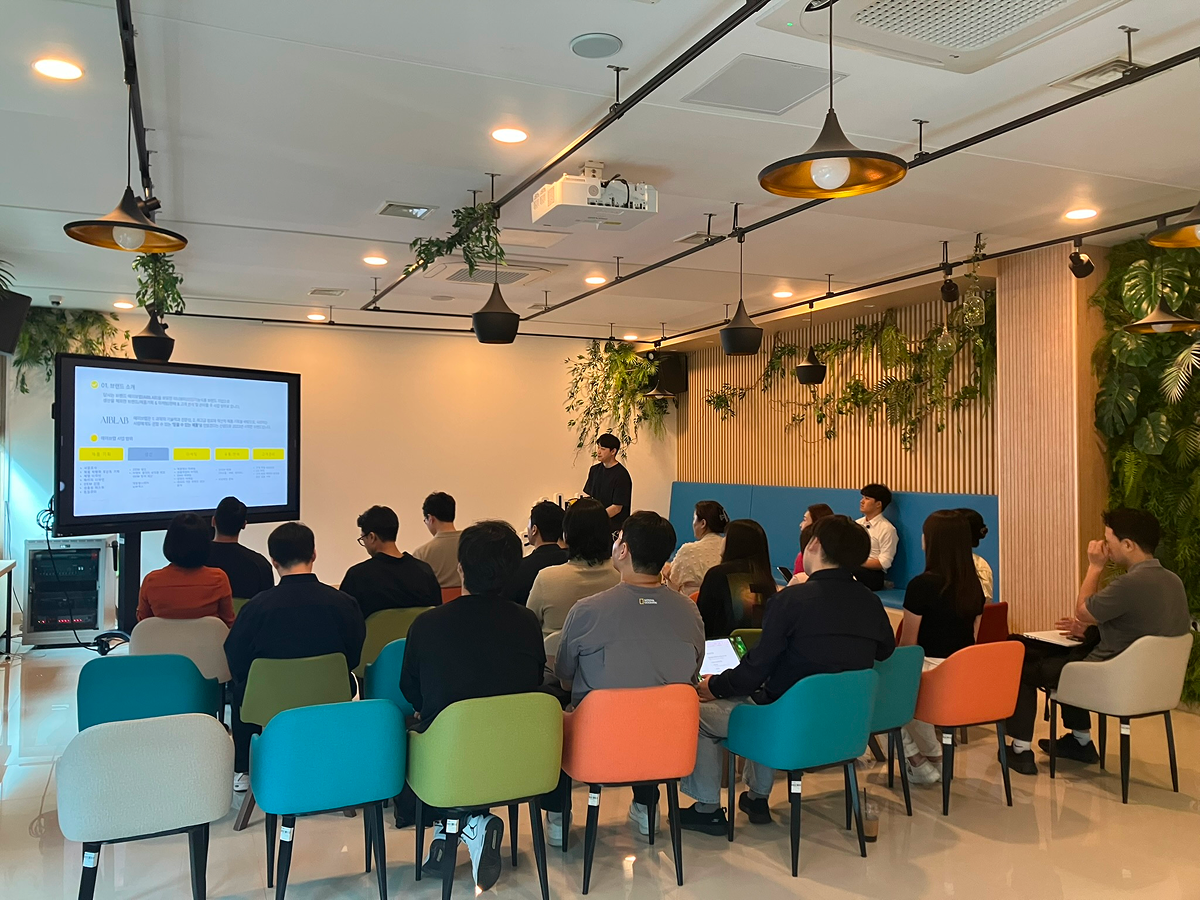
While I was at the Korea SMEs and Startups Agency, I often heard from CEOs that they needed people to discuss business with. But there are already so many startup communities. I wondered if there was a point in creating another one, but when I focused on the keyword 'global,' it started to make sense. If we could help Koreans going abroad or foreigners in Korea doing business here, this community would have its own unique character. That's how I launched the Young Global Startup Community (YGSC) last September. Now it's grown to about 550 members across LinkedIn and KakaoTalk channels combined.
Q. I'm curious whether you think global expansion should be led directly by the CEO or if companies should have a dedicated BD professional.
I think the CEO's direct involvement is best, but the key is really 'decision-making authority.' Speed is everything overseas. The bigger the cost, the longer the decision drags on, and if you have layers of team leaders, division heads, and the CEO above, it gets too slow. A buyer's tone can change in a week or two, and competing products keep pouring in. Even if the answer is no, you need it right away so you can move on. That's why having the final decision-maker move directly is fastest. If it's a working-level person but they have real authority—say, they're a director or team leader with only one or two people above them so decisions can be made quickly—that works too.
In the era of KRW 15 trillion in K-beauty exports, are you still just shouting 'TikTok seeding'? If you want to stop pouring water into a leaky bucket and build a solid global sales network for your brand with BD professional Kim Eun-chong?
A BD Professional Who Dreams of Being a Super Connector
Q. You've done so much and continue to do so much—I'm curious what your goals are.
Short-term, it's to help more companies expand into overseas markets. Since we started in earnest this year, four companies have successfully expanded. Three are doing live commerce in China, and one entered the Netherlands and received an initial order. This year, my goal is to have more companies go out there rather than focus on numbers. Next year, I want to exceed about KRW 5 billion in transaction volume and establish ourselves firmly as a global distributor.
My long-term goal is to become a company that supplies liquidity to early-stage companies. There are so many companies stuck at the pre-Series A or Series A stage, and often neither accelerators nor VCs can provide follow-on funding. A company that can supply overwhelming liquidity to promising companies, moving in the tens of billions—that's my ultimate dream.
Q. Finally, is there anything you'd like to say to those reading this interview?
My career is all over the place, to put it simply. I've just kept doing what I wanted to do. In any society, people usually prefer digging deep into one thing and building expertise. That kind of life is good too. But there are also people like me who live doing what they want. You can survive this way, you can make money this way. The risk is huge, though, and even if you're doing multiple businesses, you have to believe every time that 'I can do this well.' Even if it doesn't work out, it's okay—I hope you have the courage to just try.
OUTRO
A journey that began with one Tesla has, ten years later, brought him to a completely different place. From figures to an English kindergarten, to webtoons, to a restaurant, and back to global exports. The fields changed every time, but what he did remained the same: when he saw an opportunity, he created it; when crisis came, he broke through head-on; and after proving the potential, he moved on to the next thing.
That's why the way he talks about global expansion has no exaggeration. He tells you the other side of the K-beauty boom without sugar-coating, and instead of sweet promises of guaranteed sales, he honestly tells you upfront that it's really difficult. Yet he says that if you go together, you can make it, and that he'll take someone's product and knock on buyers' doors himself. The BD professional Kim Eun-chong I met through this interview was someone who, if something doesn't work, changes the approach and ultimately carves out a path. That's why his words 'I keep going until it works' don't sound empty.