BD Insights
Loading...

BD NOTE
가*

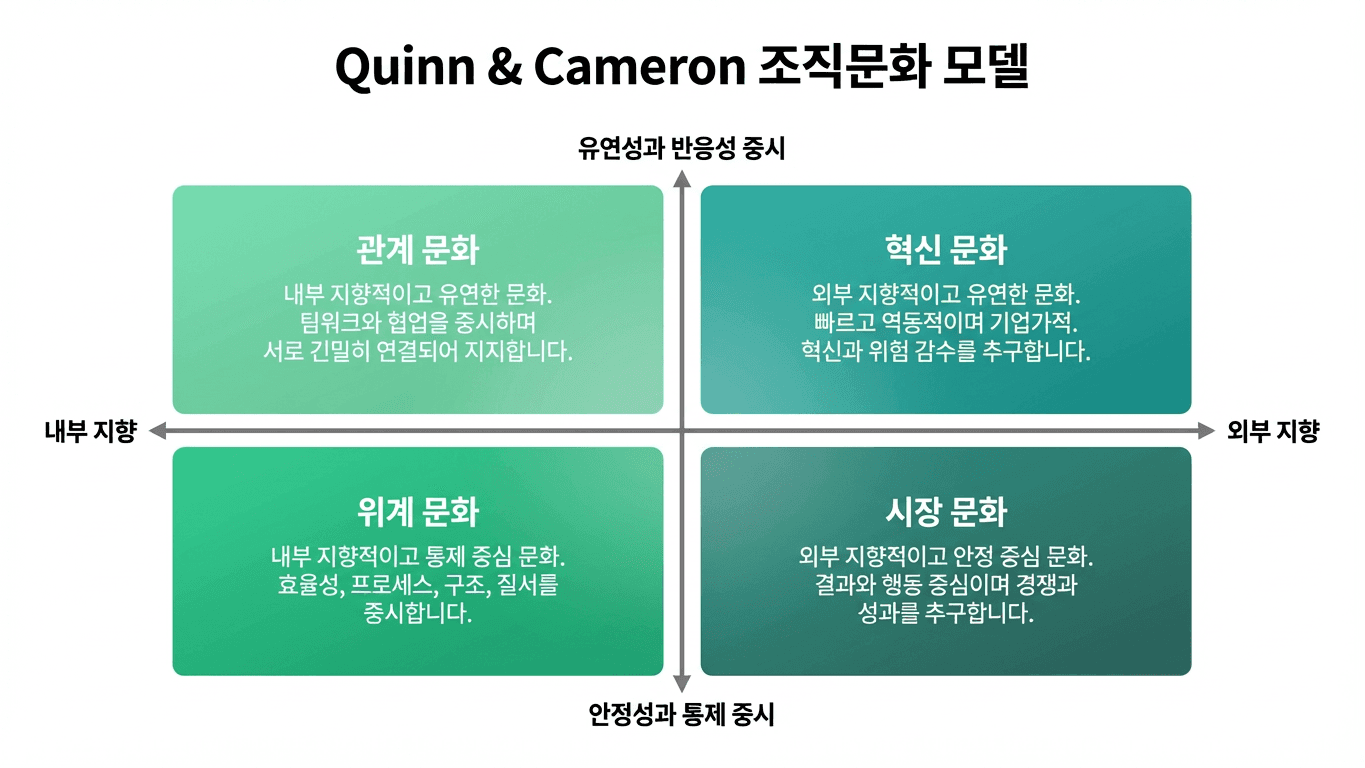
Gathering the best individuals doesn't make a team. This article outlines how to design a small but solid team using three principles—role design, execution autonomy, and communication structure—along with Quinn and Cameron's organizational growth model.
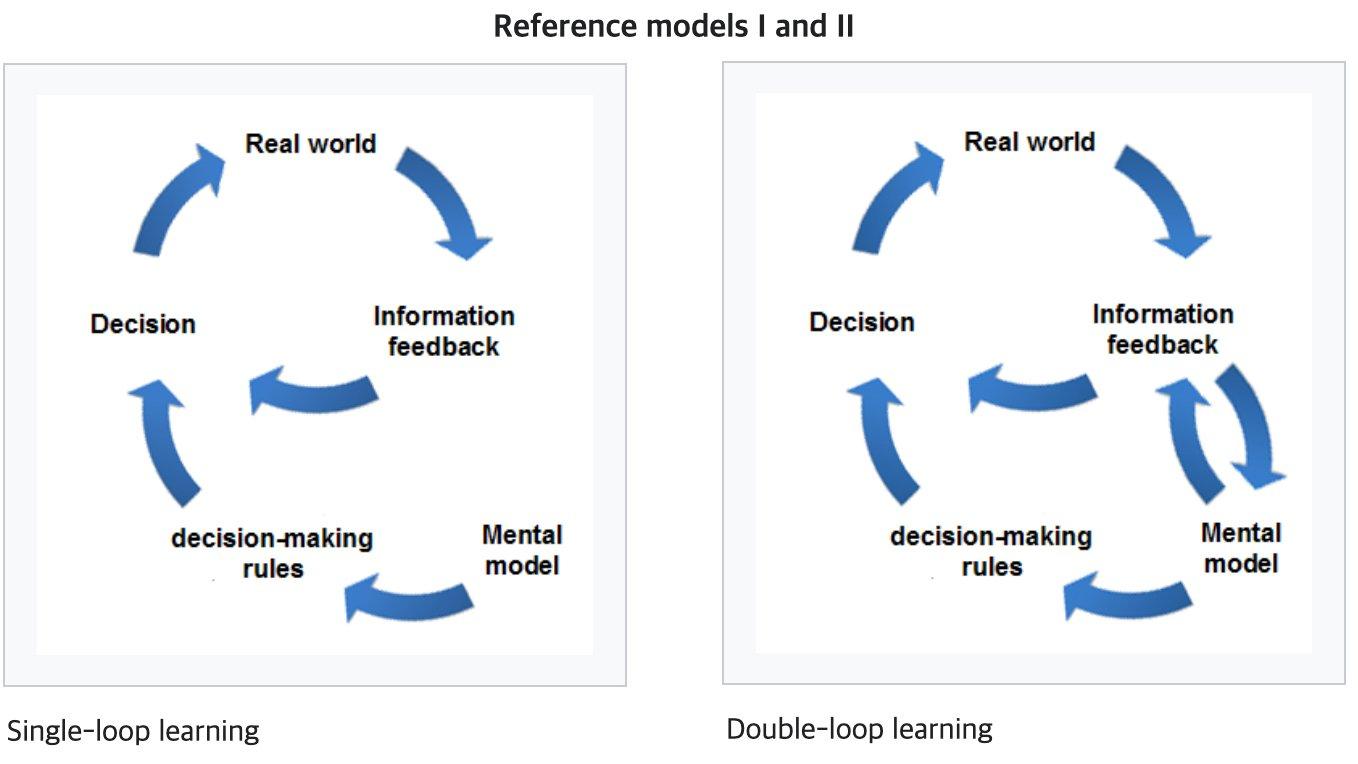
Among Google's countless projects, the success rate is only around 50%. They even operate a unique space called 'The Google Cemetery,' which displays the tombstones of discontinued services. Google autopsies these failures, identifying direct and indirect causes of problems, accurately recording them, and establishing countermeasures.

Open innovation is a paradigm that demands companies intentionally bring external ideas and technologies inside, share internal assets with the outside, and create value in order to survive and grow. In other words, it means breaking down organizational boundaries and raising the odds of innovation through active external interaction—and this clearly shows why 'absorptive capacity' is a core competitive advantage for modern startups.
When we hear the phrase 'global expansion,' we usually imagine a one-way arrow—a picture of going from Korea to bigger markets. But Park Si-jin's map looks a bit different. She started in Korea, spent seven years in Japan, returned to Korea with startup experience and a diverse career, and is now heading back to Japan. It's not a straight line—it's more like a big circle.
Someone who calls herself 'a business consultant armed with entrepreneurship.' Someone who feels more joy when others' businesses succeed than her own. This interview follows why she took such a long detour and what she learned along the way. Perhaps the fastest path isn't always a straight line.
Interview Navigation
1. Business Artist, and the Start in Japan
2. The Mission Called Startup, and the First Failure
3. Delivering What the Market Seeks Is a BD Professional's Job
4. Advice for Korean Companies Dreaming of Entering Japan
5. The Goal to Help Generate KRW 100 Billion
Q. You must have introduced yourself countless times. How do you usually introduce yourself?
About 10 years ago, I used to introduce myself as a 'business artist.' Business planning is, in a way, constantly drawing something. You can't just cut and tailor it neatly. You do this kind of work, that kind of work—sometimes you're in the realm of imagination, other times you're matching financial numbers. That meant I was always doing something new.
People say business is rigid and numerical, while art is soft and emotional. But when you're doing planning work, you need to have both. You have to keep moving up and down, left and right. You can't think of just one thing—your thinking has to stay open, yet you're always falling short. So I had a strong desire to know everything in all directions. Then I thought, why not become someone who does business like art? That's how I came up with the name.
Then, after about 20 years of experience, I recently redefined myself. Now I introduce myself more clearly as 'a business consultant brimming with entrepreneurship.'
Q. It took 20 years to introduce yourself so clearly. I'm really curious about the beginning of that journey. How did your first career start?
I went to Japan and started my professional life there, and my first job was in planning. Planning sounds pretty cool, right? I started with event marketing, promotional marketing. Then I moved up a bit to business planning, but as I did that, I realized I needed to understand numbers. So I went to graduate school to study numbers and majored in business administration. When I came back, they assigned me things like IR planning, and as I did business planning, I ended up doing business strategy. I experienced all of that at one company.
Q. Was there a clear reason why you started in Japan?
Actually, I'd never thought about working in Japan. It happened completely by chance. After graduating from university, I wanted to study in the US for about a year and had even gotten my visa. At that time, my cousin was doing his alternative military service by starting his own company, and he asked me to come help out before I left for the US, to earn some pocket money too.
While I was helping him, my cousin said he had a contact he knew well in Japan and connected me to meet them. After that, we kept in touch, and this person eventually became independent and started a company. When that company was about three years old, they made me an offer. Through our ongoing communication, I developed a good impression of both this person and Japan as a country, and I thought Japan would offer more learning opportunities than Korea, so I decided to give it a try.
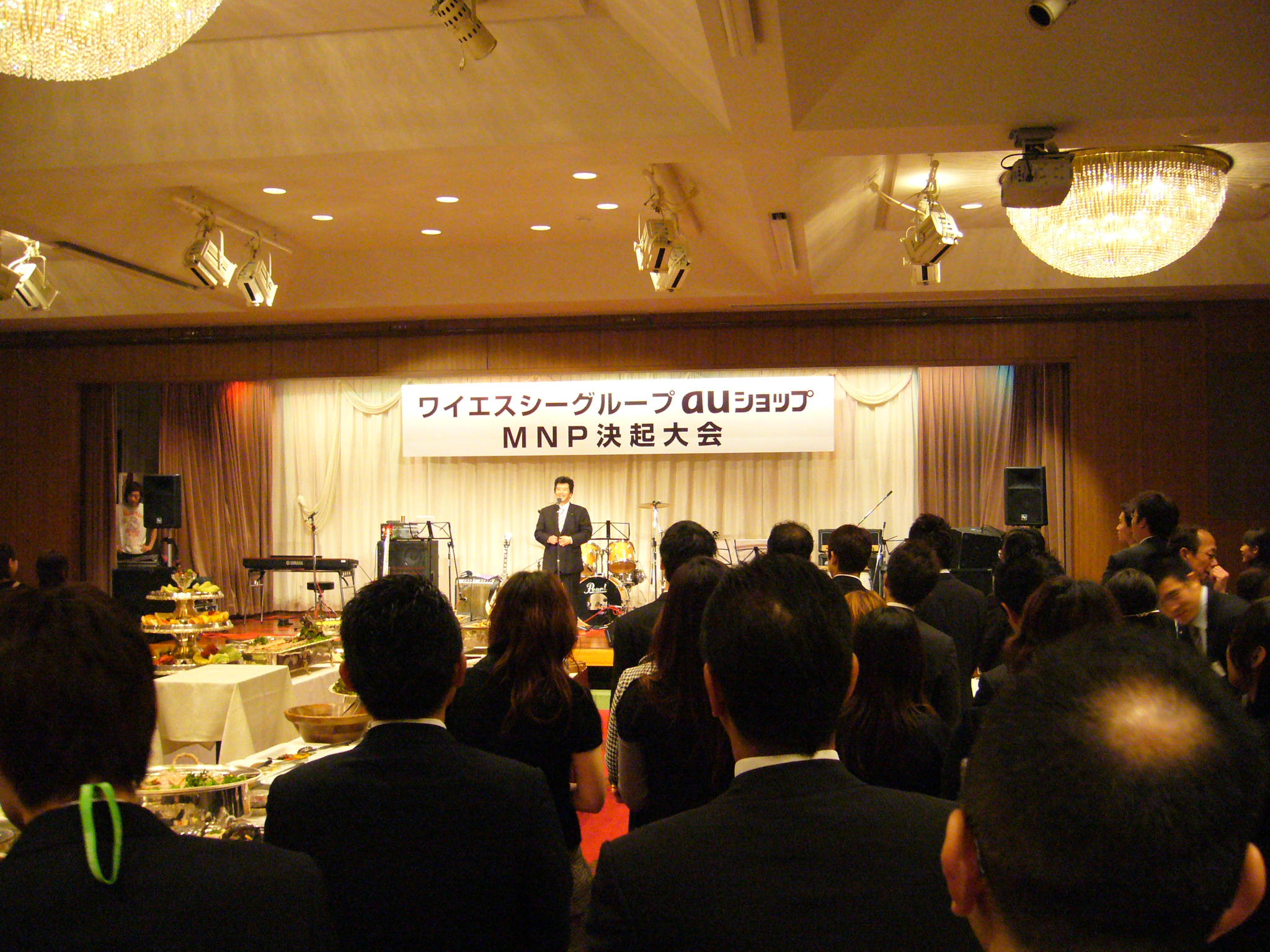
Q. You ended up staying in Japan for seven whole years after going there by chance. Did you stay at one company the entire time without changing jobs?
I think it was possible precisely because it was a small-sized SME. It was one company, but I was able to try many different roles. If it had been a large corporation, it would've been difficult to experience so many things. And it suited my personality well. But there was some thirst. A feeling that I wasn't learning enough. When I looked at my friends, they were getting lots of training and had good systems, but we barely had any systems. I had to figure everything out on my own by trial and error.
Q. Was that thirst also the reason you quit?
No, that thirst made me decide to go to graduate school. I also felt it was too early to quit. I thought I should at least complete one term—leaving after three years would be too soon. So I wondered how to endure it, and thought I'd create a more challenging environment from outside, which is why I went to graduate school. Strangely, once I got stimulation there, I started getting more important assignments at work too.
Q. That graduate school became the catalyst for your startup.
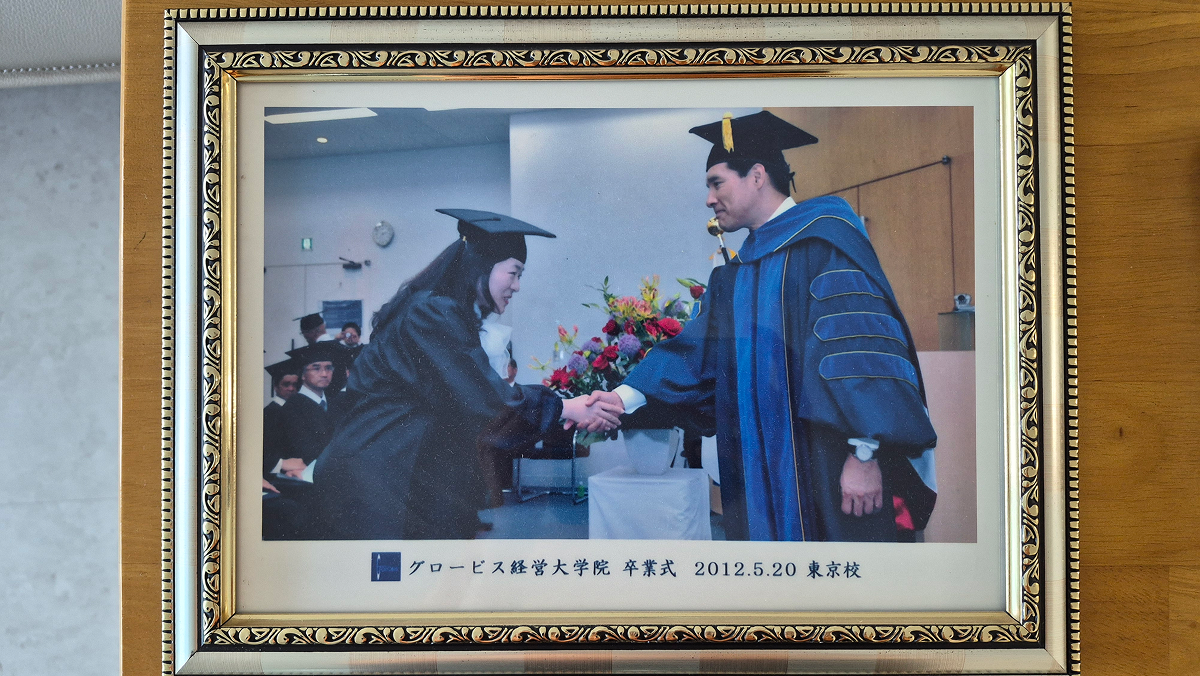
The place I went to was a business school in Japan that many working professionals attend. Traditionally, Waseda and Keio business schools are famous, but this wasn't one of those—it was an emerging school. But the dean was someone globally renowned. He was a case of fast-track promotion at a major Japanese conglomerate, then became independent and started a venture capital firm, built a reputation, and then established a business school. He launched it with the catchphrase of creating the Harvard of Asia, and was a star-level CEO featured in Forbes Japan.
Fame doesn't directly translate to a school's success, right? But this person basically did sales pitches to all 3,000 listed companies in Japan, recruiting middle managers as part-time students and then converting them to full-time students—the marketing was really brilliant. So now the alumni network has grown to 7,000 people spanning the entire Japanese business world. While Waseda and Keio are academic, this place established itself completely as a business school.
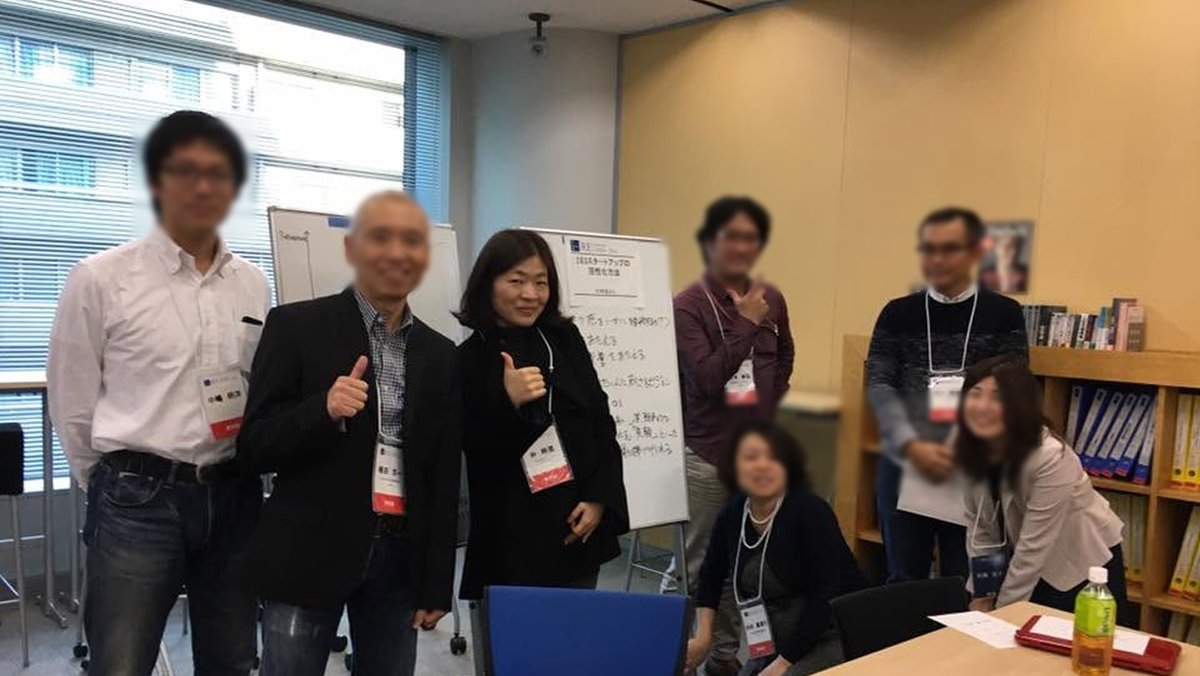
When I entered, it was only in its third year and wasn't famous yet. That was actually my strategic choice. Waseda and Keio had exams where you had to write a two- or three-page essay in kanji within an hour, but my Japanese wasn't that good. Plus, there were many Koreans there. But this school had only Japanese students at the time. So I thought, as one Asian among them, I could somehow make them choose me. So I mobilized everyone around me to review my application, do mock interviews, and somehow got in. Fortunately, the strategy worked well.
Once I got in, the dean kept pushing that 'you absolutely must start a business.' I'd gone there to do better at work—to learn finance or develop a CEO mindset—but here he was telling me to start a business. After continuously learning about entrepreneurship that way, by graduation I'd reached a clear conclusion. It's not that people are divided by ability into those who can and can't start businesses—starting a business is something everyone living in this era must try at least once. For those who want to grow, starting a business is the greatest tool for self-development. I also felt a sense of urgency that I wouldn't be able to do it if I got older.
Q. You went there to do better at your job, but it ended up being the clear trigger for starting your own business.
Exactly. At the time, my CEO was a typical salesperson type, and since that was the only kind of leader I'd seen, I thought someone with my personality wouldn't be cut out for entrepreneurship. But the dean had a completely different style. I realized, 'Oh, there are other kinds of leadership. Leadership doesn't have to be just one style. I can find my own.' I'd been at one company for a long time, so I hadn't seen many different cases of leadership. The dean became a great catalyst for me.
I'd actually been thinking about starting a business even before that. The idea hit me hard when I was helping out at my cousin's company. It was right after the IMF crisis and the dot-com bubble had burst, around the time I was graduating from college, and the formula 'employment equals stability' just didn't exist in my mind. I felt that eventually we'd reach an era where people would have to come out from under the umbrella and forge their own weapons, and if I waited until then to make my move, it would be too late. My family was conservative—my father wanted me to take a stable path—but when I went to my cousin's company, I realized how narrow my world had been. All of my cousin's friends had started businesses. It was a world where entrepreneurship was the norm. Not starting a business felt like an opportunity cost.
Q. You worked there for seven years before finally coming back to Korea and starting your business, so you must have agonized a lot over whether to start in Japan or Korea.
In Japan, the conclusion was 'all or nothing.' Either become completely Japanese or get out quickly. Staying in between would make things difficult even after coming back to Korea. Japanese people don't have that urgency we have about growing fast and taking on challenges. It's a place full of people who think 'maintain the status quo, things are good now, let's just do a little better here.' So when I walked fast because I was hungry for more, people looked at me strangely and didn't follow. They'd say, 'Do you really have to go that far?'
I realized that living in that society would make stagnation feel natural. When I'd come to Korea briefly to see family, people would be charging around. Just the fact that I found it unfamiliar showed me I'd already adapted to Japanese society—that I was at a different speed. I wanted to be someone who, if not a wild horse, could at least run when I wanted to run without it being weird. Realistically, it's incredibly difficult to truly put down roots in a society. Just like when a foreigner comes to Korea and works hard, the good opportunities naturally go to Koreans first. So both physiologically and strategically, I decided Korea was better. That was in 2013.
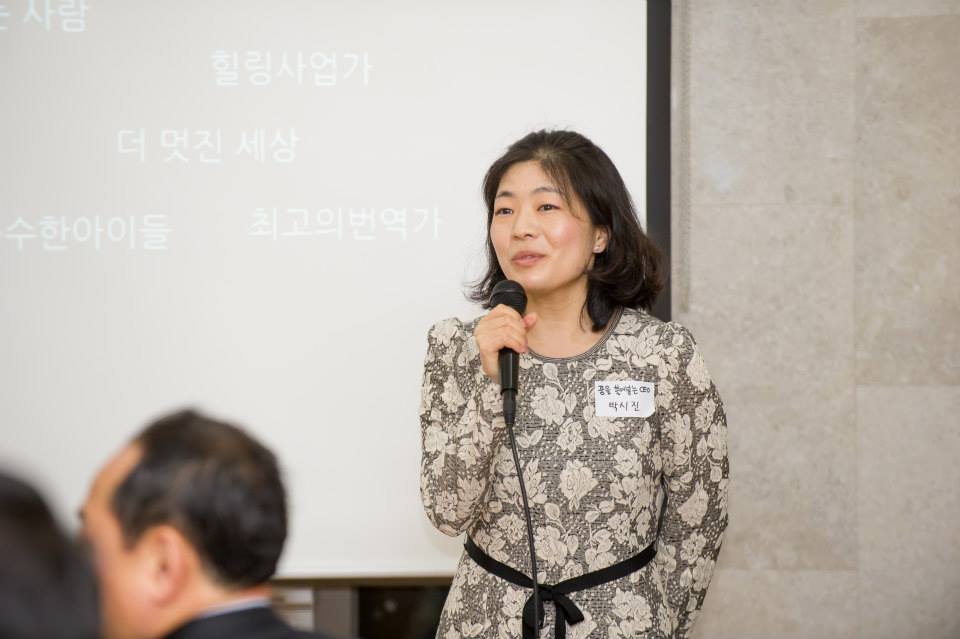
Q. So your current company, SJ Company, wasn't your first?
Right. Back then I started a company called The Dream and ran a platform business. Think of it as crowdfunding. At my previous company I'd been in charge of a platform business, but since I had full company support, I didn't realize how hard it actually was. So I hired developers, designers, brought on advisors, and launched. It was my first venture, so I couldn't help being all tensed up. I made every stupid mistake and learned from all of them.
After running all the numbers, I realized 'this isn't the business for me,' so I shut down the platform business in 2015. The Dream itself pivoted once and lasted until late 2016, then I closed it in December. I had a mentor who saw me struggling and asked why I'd started the business in the first place. My goal for entrepreneurship was to be a catalyst for people with their own projects, helping them achieve those projects. That's what the crowdfunding business was about.
But my mentor said, "You don't have to do that as a business. You can do consulting, and since business planning is your strength, it would be better to pivot quickly, build your capabilities, make money, and then do that business later as a volunteer effort." He just told me to quit. I was too proud, so I didn't see that mentor for a year. (laughs) My ego was strong. Later I went back and said, 'Thanks to you, things became so much easier. Thank you.'

Q. After closing your first startup, did you go back to a company?
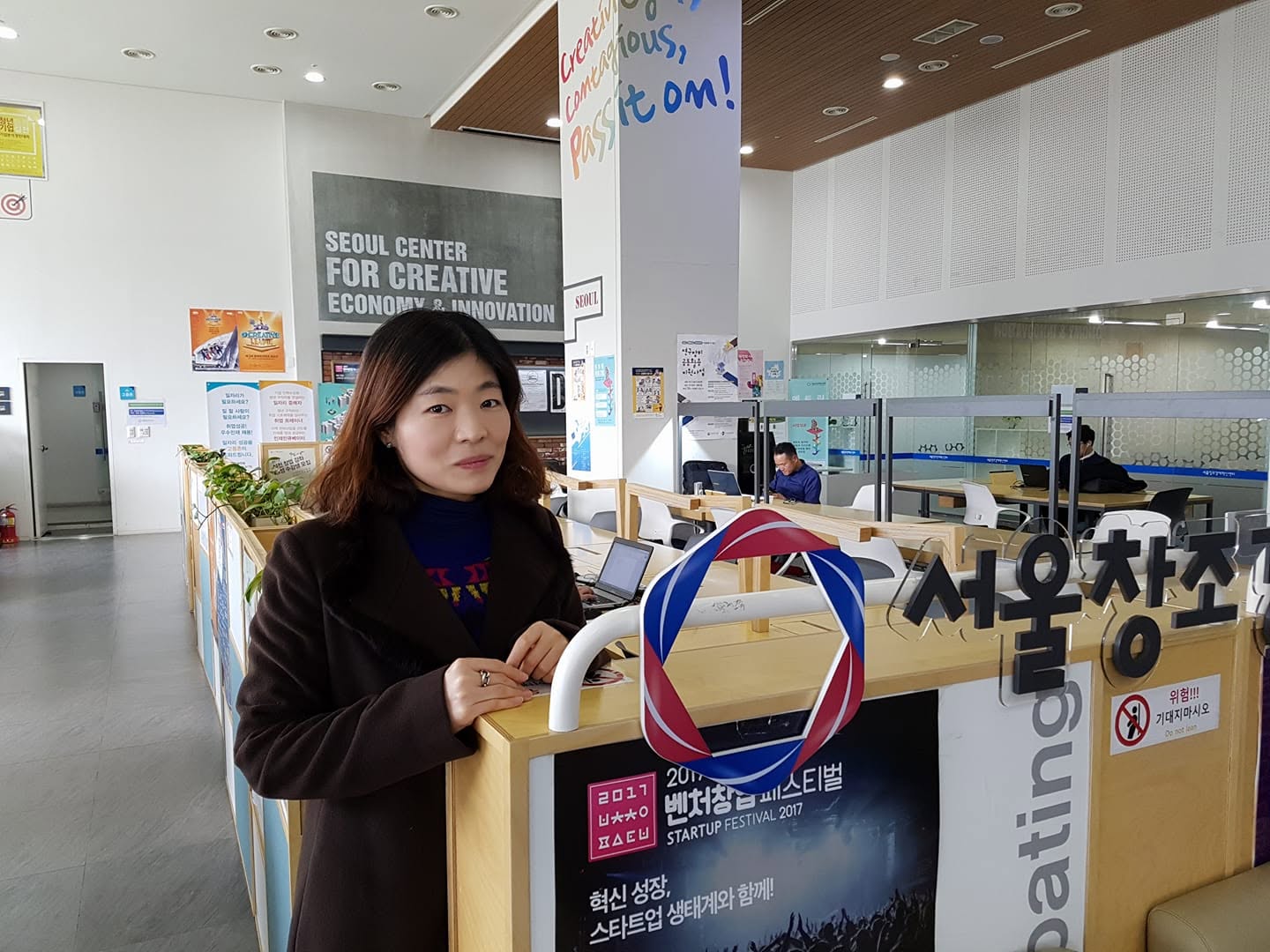
After 2016, I had an opportunity to participate in the management of a Korean subsidiary established by a Japanese company. I took a director position there and stayed for about seven years. Before joining that company, from 2016 to 2018—about two years—I tried various things for my next step. I taught as a professor at a university, and for about six months I worked as a manager at the Seoul Center for Creative Economy and Innovation, doing startup incubation.
Q. You really didn't rest. You could have taken time to recharge.
Starting a business was mentally exhausting, but not physically. My mind was constantly turning, and I had much more physical time than when I was working at a company. So I used that time to try various things.
Q. Those seven years as a director and executive must have been different from your previous company experience.
I handled management, did initial setup, and then there were situations where I had to jump into the field myself. When launching new businesses and achieving initial KPIs, I did a lot of the setup—gathering early customers, making SNS explode. It was a Japanese real estate company specializing in foreigners. Initially it was a business caring for Koreans going to Japan, but as Korea became a country with 2 million foreigners, I worked on transplanting and launching the business model they were running in Japan into Korea.
Q. It seems like a business where all your various experiences could create synergy. After spending those seven years there, was there a decisive moment that made you choose entrepreneurship again?
The decisive trigger was COVID. In 2022, the company basically came to a complete stop. But even in that state, the CEO of the Japanese headquarters didn't let anyone go. Even though labor costs kept going out. I had this strange sense of responsibility—'I can't do less than my share.' As a director, I felt too sorry about receiving that amount. So I cut my days in half. 'I'll make money elsewhere, so let's reduce company expenses. Let's bring in a working-level person and I'll step back.' The direct trigger for leaving later was when the Japanese headquarters prepared for IPO and replaced all executives with Japanese nationals. It became a good opportunity to wrap things up cleanly.
I didn't come out intending to start a company, but around that time I was getting a lot of outside work. From my first startup, I had a learning: I wouldn't do a full-scale startup until conditions were right. But then I saw this Japan wave building. I guess people have their timing. My Japanese network started doing business with Korea one by one, and inquiries like 'Introduce me to someone like this' became frequent. Then a mentor asked me to handle sending companies to an IR program in Japan, and when I went to Japan after a long time, I loved it. So around December 2025, I became completely focused on this direction.
Q. Consulting is, in a way, advising and sharing experience as a third party—you don't actually execute. Do you ever feel frustrated by that, or worry that you're just talking?
That's the biggest blind spot of the consulting business. Even when I was doing business planning in organizations, I always felt that thirst. But my stance is 'do what the market needs.' If they need planning, I do planning. If a startup says 'please execute too,' I execute. It's not 'I only do planning, someone else does execution.' Execution needs strategy, so I do that part together—planning and execution go hand in hand. Strategic planning is where my expertise is stronger, and pulling that out is like a cheat code for me. Everyone has their one trick, right?
That said, I'm not a marketing expert. Compare me to marketer A, and A is obviously much better. But on top of strategic consulting, I can at least do what I need to do. A lot of my work with Japan is bridging. Rather than me doing everything professionally, testing whether there's customer need is something you can do without being an expert. Once we find the need, I hand it off to the team that can do it best.
Q. You've met many people entering Japan from Korea and Korea from Japan. These days everyone thinks of Japan when they think global. Are there common pain points both sides hit, mistakes everyone keeps making?
Definitely. Both Korean and Japanese companies have their own pride. Korean companies entering Japan are relatively often large corporations or growth-stage startups—cases with success experience. They're going because they succeeded here, so they come with a 'our thing is so amazing, is there a team amazing enough to do it justice?' mindset. Ask the Japanese team, on the other hand, and they're thinking 'will this work in the Japanese market?' Korea assumes it'll obviously work, Japan thinks it doesn't meet Japanese standards.
To break that, you either 'humble yourself,' 'do it perfectly on your own,' or you need an intermediary role that understands both sides. The most important thing is that communication doesn't end in one go. It keeps happening. And then ego emerges again—'I'm me, you're you.' You have to keep playing that role in between and keep creating meetings. If you look closely, the success cases are when Korean companies had big success and bought a Japanese company with big capital, or set up a separate company in Japan with a Japanese team and let them lead the business. Line did that, Musinsa too.
Q. Even among global expansions, Japan is said to take especially long. I usually hear it's because Japanese consumers don't easily switch brands once they start using one.
When a Japanese company first sees our product, they ask which company bought it first. Basically it takes time to break through that first reference. Same with consumers. Once you break through, it lasts long, they say. If I keep using my pen, I don't look for others. The Japanese market is very conservative with its own boundaries. There's that pride. Breaking through that kind of market, plus it's already hard to properly find our way in the Korean market, but finding your way in a market you know nothing about—how much harder would that be? That's why I always say you should expect at least 2–3 years.
Q. Still, the reason we're looking at Japan again these days is ultimately K-culture. Do you feel things have changed from before?
I think it's less about speed and more about the layers changing. Before, the people who liked Korea were really women in their 50s. They watched 〈Winter Sonata〉. If you went to Shin-Okubo Koreatown, that crowd was eating samgyetang. Go now and there are tons of teens and 20-somethings. It's concretely very different. But you also have to see it this way: if the entire Japanese market is 100, that K-fan layer is a very small part. There's still a gap. But once it breaks through, there's an expectation it'll grow like getting soaked in drizzle. I don't think the whole market has changed yet.
Q. So we should see it as a market you should only challenge if you have the stamina and budget to keep trying for at least 2–3 years.
The smartest thing is to start studying 2–3 years before entering, without investing heavily. I think you should be careful even about setting up a legal entity. I think you have to approach the Japanese market with a humble attitude of fully understanding the culture. As humbly as when going to Southeast Asia or the US. But we don't seem to approach Japan as humbly as we do the US. It's a market that requires big investment, but I think there will be returns to match.
Q. After various trials and errors, Japan has become important as your work. Is there anything you're doing this year to focus on this business?
I set a goal. It's a 10-year goal: cash generation. The biggest challenge for startups is creating cash. So my goal is 'help the clients I meet generate a cumulative KRW 100 billion in cash flow over the next 10 years.'
This year, I'll meet only two clients who have that potential. Two clients I take on and go long-term contract with. Meeting those people is this year's goal, and I'll keep studying the Japanese market with a humble mindset.
Q. Your decision-making seems to have a consistent standard. You started by helping your cousin, at the company you pursued the owner's goals together, your business was crowdfunding to help someone, and now your goal isn't 'my KRW 100 billion' but 'helping generate KRW 100 billion.'
Now that you mention it, you're right. The fulfillment and achievement from helping someone seems biggest to me. That's when I do best too. I do well when others do well, and that really makes me happy. Doing well alone is honestly lonely and isolating. Loneliness is okay, but isolation is a bit much. When we do well together, it keeps growing.
Q. Do you have your own criteria or conditions for choosing those two clients?
First, the client has to be ready. Their mindset or budget has to be ready. I'm absolutely not saying this from a 'looking down from above' perspective. Founders are truly excellent. But if they come unprepared, even what they did well becomes impossible. So I look at revenue, profit, headcount—all of it. And above all, understanding of Japan—the CEO really needs to know Japan well and have affection for it to succeed. That's when they keep studying the market and don't leave right away when things don't go well, but try to make it happen somehow. Without that, they make hasty judgments in front of barriers before even sprouting, saying 'Japan doesn't fit us' and leave.
Most importantly, there has to be need in the Japanese market. That's the most important. When there's need, and even so they decide to enter, that's finally the start. If I can be there at that great beginning and end, I couldn't be happier.
After hearing Park Si-jin's full story, that initial loop looks different.
From Japan to Korea, from startup to failure, to a company, and back to Japan again. What looks like a long detour turns out to have been guided by one consistent drive all along. The first impulse to help her cousin, the commitment to achieving an owner's goals together, the desire to be a catalyst through crowdfunding so someone's project could see the light of day, and now the goal of helping people make KRW 100 billion through her—she's always been someone who does best when others do well.
Even her first startup, which she calls her biggest failure, and the painful experiences in corporate life weren't dead ends but detours that brought her to where she is now. Her advice to approach the Japanese market humbly and with the resolve to endure may be less about the market itself and more about the attitude she's learned in her body by moving through a society and an industry.
The fastest route isn't always a straight line. Only someone who's taken the long way around can draw the whole map. Park Si-jin now holds that map and is heading back to the market she knows best.
Edited & Written by: Lee Hye-mi gbd.hyemi@gmail.com