Startup Success Depends Less on Ideas and Technology Than You Think
5 min read
Related articles
BD Insights
How to Build a Small but Strong Team
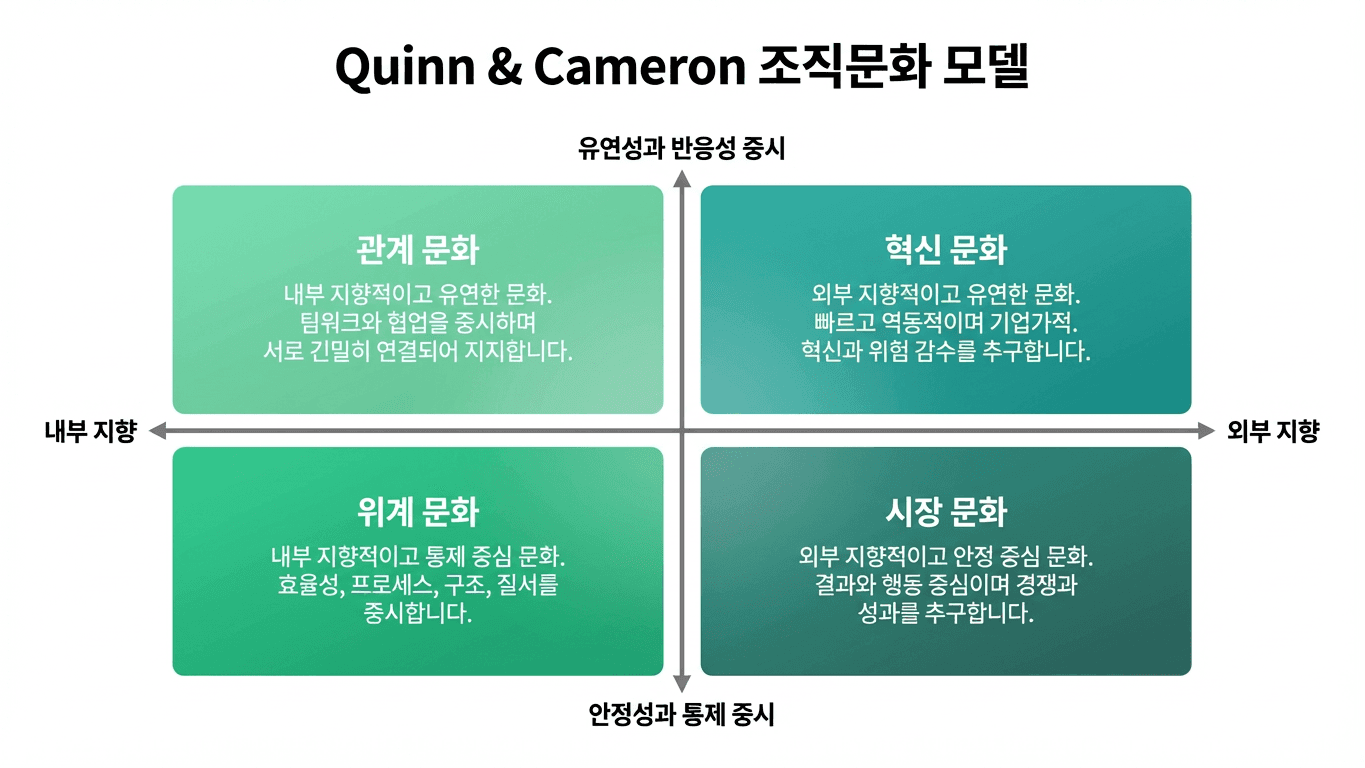
Gathering the best individuals doesn't make a team. This article outlines how to design a small but solid team using three principles—role design, execution autonomy, and communication structure—along with Quinn and Cameron's organizational growth model.
Aug 31, 20264 min read
BD Insights
Fleet Learning: Building Problem-Solving Capability as an Organizational Competency
Among Google's countless projects, the success rate is only around 50%. They even operate a unique space called 'The Google Cemetery,' which displays the tombstones of discontinued services. Google autopsies these failures, identifying direct and indirect causes of problems, accurately recording them, and establishing countermeasures.
Aug 21, 20266 min read
BD Insights
The Process of Turning Opportunity into Organizational Capability
Open innovation is a paradigm that demands companies intentionally bring external ideas and technologies inside, share internal assets with the outside, and create value in order to survive and grow. In other words, it means breaking down organizational boundaries and raising the odds of innovation through active external interaction—and this clearly shows why 'absorptive capacity' is a core competitive advantage for modern startups.
Startups often obsess over technical perfection and overlook market readiness. This divide stems from different founding perspectives.
Startup Success Depends Less on Ideas and Technology Than You Think
Perfect technology, outstanding team, ample funding. Why do startups that seemed to have everything needed for success fail, while those that appeared lacking become unicorns?
Bill Gross, founder of Idealab, presented his analysis of success and failure factors across hundreds of startups in a TED talk. Surprisingly, the single factor most correlated with startup success was timing (42%). Team and execution (32%) and idea (28%) followed, while business model (24%) and funding (14%) mattered less than expected.
This reveals a shocking truth. More than the perfect technology developed overnight or the idea you believed would change the world, the question 'Is the market ready to accept it now?' determines a startup's fate.
The Technology Startup Trap vs. the Innovation Startup Perspective
Startups often obsess over technical perfection and overlook market readiness. This divide stems from different founding perspectives.
Technology-First startups take the maker's perspective, pursuing completion: 'Our technology is nearly complete. Let's polish it a bit more and launch.' They believe technical superiority will translate to business success, but if the market isn't ready, that technology becomes merely an invention for museum display. If technology truly mattered, you'd file patents first rather than wait for completion, then find ways to capture market response.
Market-First startups take the entrepreneur's perspective, designing response: 'Features can improve later, but customer response must be designed now.' They ask first, 'Who needs to buy this, why, and right now?'—not about technology. Technology is merely a means to create that response.
For most startups (97%), technical superiority is merely a temporary time advantage. Rather than a technical moat that rarely lasts 18 months on average, capturing market response first matters far more.
PMF Is Achieved Through 'Market Response' Timing, Not Technology
Ultimately, timing's essence lies in when and how you achieve PMF (Product-Market Fit). PMF isn't proven by technical perfection, but only by actual market response.
Are customers starting to seek us out voluntarily? Are they paying, using again, and recommending us to others?
PMF isn't 'waiting for product completion' but 'creating a product by colliding with the market in an imperfect state.' Not sophisticated technology, but the timing when actual positive customer response occurs determines everything.
Remember: Choosing Customer Want Over Technical Pride
Business card management app Remember is a perfect case showing how timing and execution matter more than technology.
Early Remember's OCR (optical character recognition) technology for business cards wasn't perfect. As an IT company, this could have hurt their pride, but they boldly chose 100% manual data entry.
Their reasoning was clear: 'What customers want right now isn't cutting-edge OCR technology, but the experience of having their business cards entered accurately.'
This decision was genius. Instead of waiting for technical perfection, they delivered the most certain value customers wanted immediately. Manual entry achieved near-100% accuracy, and customer satisfaction was overwhelming from the start.
With the customer base and data secured through this rapid execution, Remember gradually introduced OCR technology to complete today's automated system. Had they waited for perfect OCR technology, they might have missed market timing and fallen behind competitors.
Same Idea, Different Fate: Clubhouse and TikTok
Consider the 'short-form video' idea. In 2014, a 6-second video app called Vine gained tremendous popularity but ultimately failed. The technology existed, but smartphone performance and data plans at the time weren't sufficient for users to consume and create short-form content routinely. The timing was too early.
Years later, TikTok emerged. Smartphone performance had improved dramatically, and unlimited data plans had become widespread. Users were already accustomed to consuming short videos through Snapchat and Instagram Stories. TikTok rode the wave of a perfectly ripened market and became a global phenomenon.
The opposite also happens. When the pandemic exploded the need for contactless communication in 2020, audio SNS Clubhouse appeared at perfect timing. But when the endemic reopened the world, people no longer desperately wanted real-time audio communication. Clubhouse's technology or idea wasn't bad. The market wave simply passed too quickly.
Five Factors That Determine Timing
Bill Gross says timing isn't simply luck. Specific signals exist to judge whether the market is ready.
First, customer behavior change.
Are customers already attempting to solve problems in new ways?
Second, technology infrastructure.
Are the supporting technologies (smartphone adoption, network speed, etc.) sufficiently mature to back our technology?
Third, policy and regulations.
Are government policies or regulations shifting favorably toward our business?
Fourth, economic conditions.
Are economic conditions positively affecting customer purchasing power?
Fifth, sociocultural trends.
Are changes in social values or lifestyles aligning with our business?
The more 'yes' answers to these five questions, the higher the likelihood that now is the optimal timing to enter the market.
For startups, innovation isn't inventing technology that never existed. It's being at the right place at the exact moment the market wants it. Fast execution, not technology, creates real innovation.
Created using content from [Startup Codex 22] with permission from Brunch writer jaha Kim.
To explore more content from jaha Kim, check the link below.