Numbers are just results—context reveals the cause
5 min read
Related articles
BD Insights
How to Build a Small but Strong Team
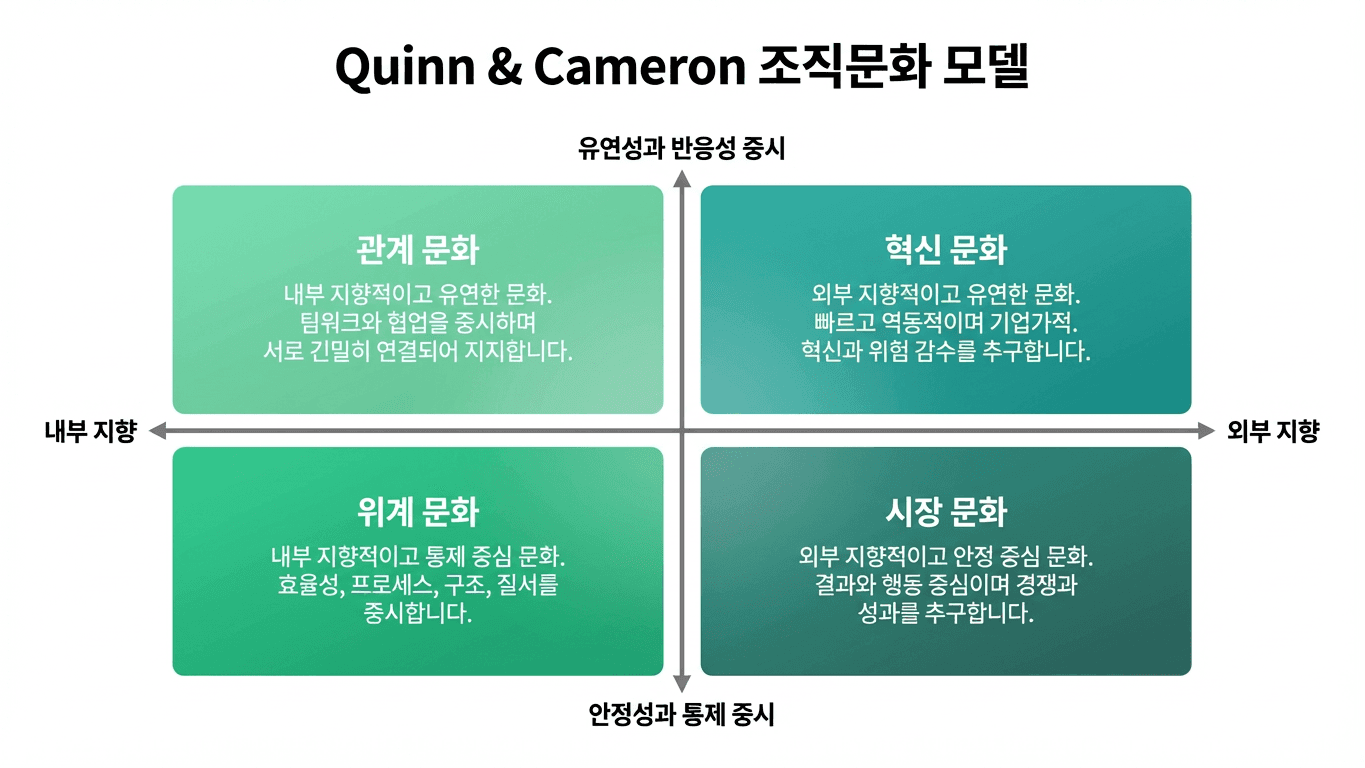
Gathering the best individuals doesn't make a team. This article outlines how to design a small but solid team using three principles—role design, execution autonomy, and communication structure—along with Quinn and Cameron's organizational growth model.
Aug 31, 2026
4 min read
BD Insights
Fleet Learning: Building Problem-Solving Capability as an Organizational Competency
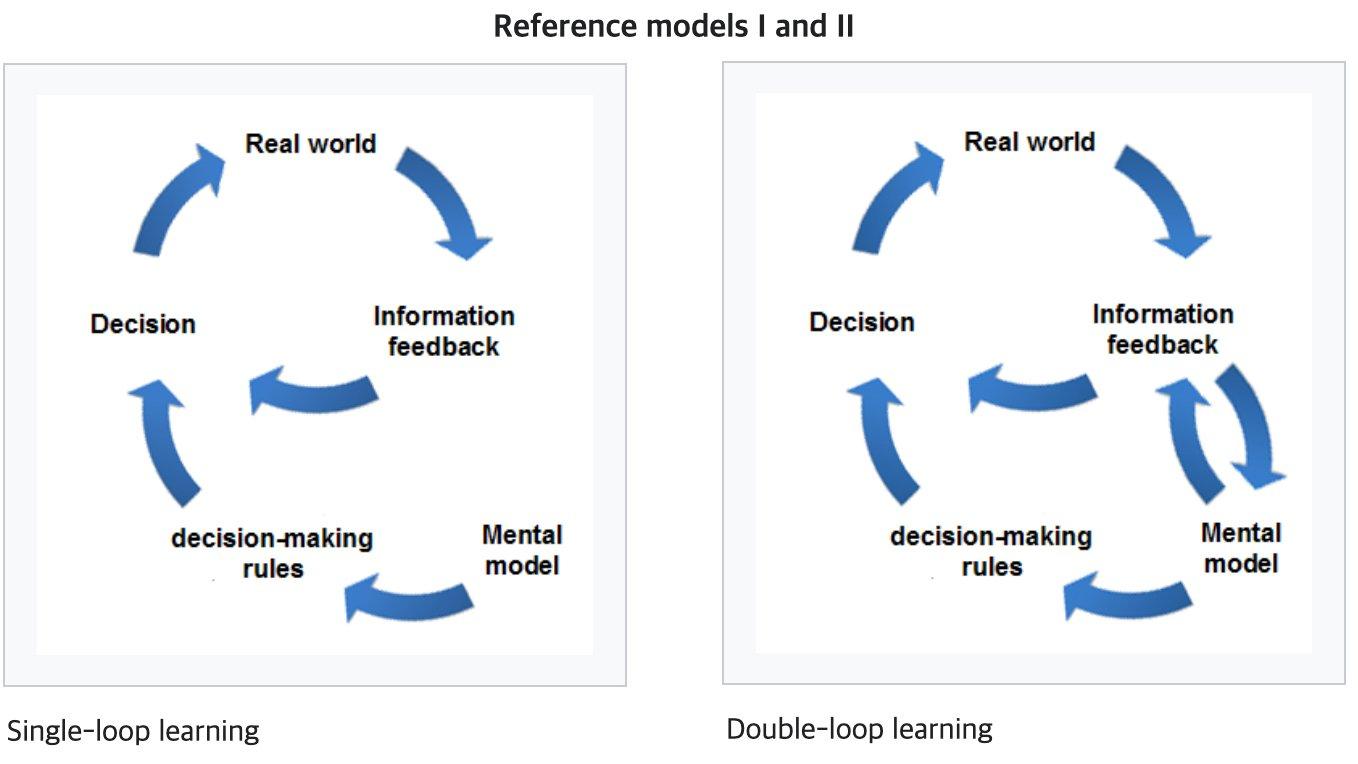
Among Google's countless projects, the success rate is only around 50%. They even operate a unique space called 'The Google Cemetery,' which displays the tombstones of discontinued services. Google autopsies these failures, identifying direct and indirect causes of problems, accurately recording them, and establishing countermeasures.
Aug 21, 20266 min read
BD Insights
The Process of Turning Opportunity into Organizational Capability
Open innovation is a paradigm that demands companies intentionally bring external ideas and technologies inside, share internal assets with the outside, and create value in order to survive and grow. In other words, it means breaking down organizational boundaries and raising the odds of innovation through active external interaction—and this clearly shows why 'absorptive capacity' is a core competitive advantage for modern startups.
CODEX 9. Without checking your growth plate, you'll stop growing: Market research for expansion
There's no guarantee that what worked in the early market will work in the mainstream. Using the Notion case and chasm theory, we've outlined a market research framework for diagnosing stagnation and expanding into adjacent markets.
In growth stage, you need diagnosis, not bragging
A startup that's achieved its first success in the early market is like a child who's just left infancy and entered a growth stage. Many founders at this point obsess over revenue and signups as if measuring a child's height daily. They feel relieved: "We grew this much since last month!"
But seasoned investors and executives don't fixate on today's numbers. They diagnose whether invisible growth potential remains and whether core growth drivers are functioning properly. They distinguish between growth rooted in healthy fundamentals and temporary inflation.
Market research for expansion is exactly this diagnostic process. It's not about confirming today's metrics, but assessing whether there's room to grow tomorrow.
Success formulas have an expiration date
Early market success produces a proven formula. But that formula doesn't work forever. When growth stalls, market research must answer one question:
"Is this a temporary plateau, or a signal that the current market is saturated?"
If it's temporary, there are still unsolved problems within your existing customers (SOM), or your product's value hasn't been fully communicated. You need to dig deeper into the current market before expanding. If it's saturation, meaningful growth in the current market is no longer realistic. It's time to find and expand into an adjacent market (Next SOM).
Failing to distinguish between the two means either abandoning a market with remaining opportunity or wasting resources on a market that's already hit its ceiling.
The Chasm: A disconnect between early and mainstream markets
@GritBD
Why do startups that grew rapidly early on suddenly seem to stop?
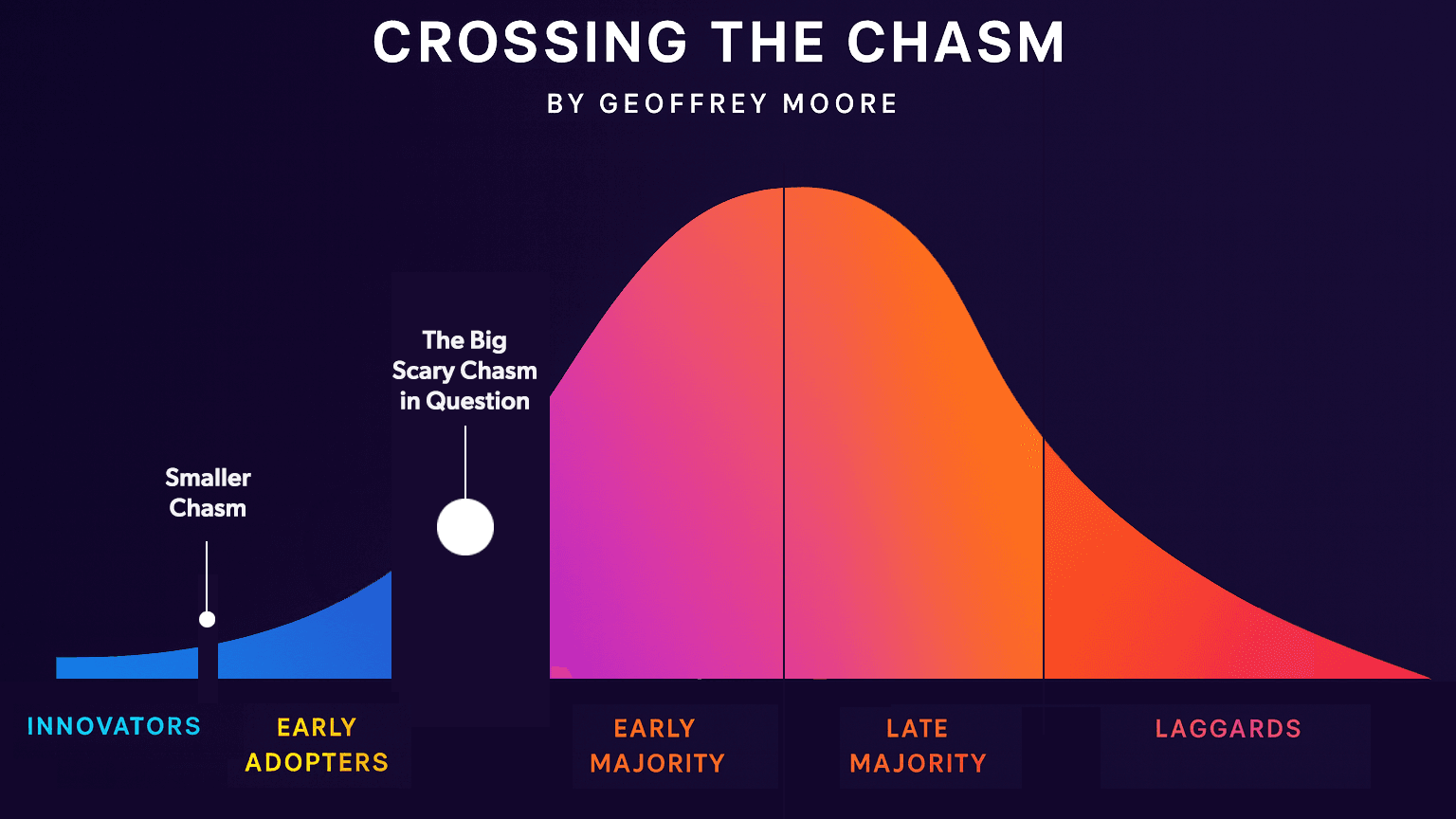
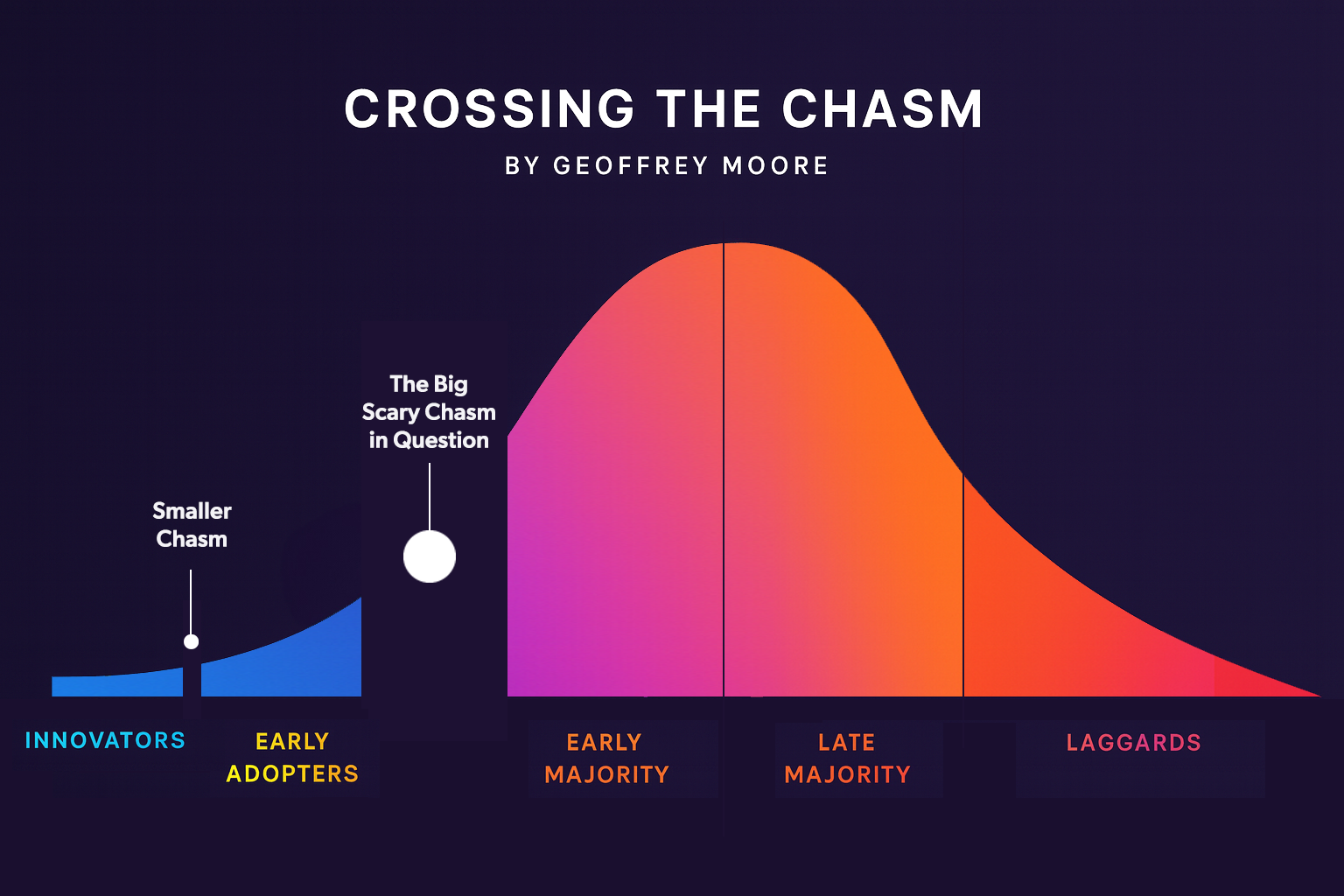
Management strategist Geoffrey Moore explained this with the 'Chasm' theory. The chasm is a deep and dangerous disconnect between a small early market of Early Adopters who are excited by new technology and a massive mainstream market of Early Majority who value practicality.
Early customers see value in novelty itself, even if it's incomplete. Mainstream customers are different. They demand proven stability, clear ROI, and minimal adoption risk. For the same product, "This is innovative!" and "Will this really work in our organization?" are completely different market languages.
Market research for expansion is the process of designing a bridge across this chasm. You must diagnose in advance what mainstream customers you'll face want and fear, not just what early customers who created your success wanted. Expanding blindly without this diagnosis is the most common cause of stagnation.
Numbers are just results—context reveals the cause
"Conversion dropped 2%." This number is a symptom. Not the cause.
The real cause lies in context: your customers' lives and environments—a competitor's new feature, shifting needs in your core segment, a transition in market stage. Confirming 'what happened' with quantitative data and uncovering 'why it happened' with qualitative interviews—only by combining these two axes can you achieve a comprehensive diagnosis of growth potential.
Case study: How Notion read its growth potential
@Notion
The expansion of all-in-one productivity tool Notion is a textbook example of market diagnosis and adjacent market design.
Stage 1. Capturing the early market
Notion's first success began with 'tech-savvy individual users' and 'small startup teams.' They were excited to use Notion's flexibility to build their own wikis and task management systems, and signups grew quickly.
Stage 2. Diagnosing growth drivers
Notion didn't settle for signup numbers. They observed how early users spread Notion and discovered a key pattern. One employee starts using it personally. That employee, finding it useful, shares it with the whole team. Eventually it spreads to other departments and leads to company-wide adoption requests. This was the growth driver Notion identified: an 'intrinsic viral structure that expands to teams and enterprises.'
Stage 3. Entering adjacent markets
Based on this diagnosis, Notion expanded in earnest beyond 'individual users' into the adjacent market of 'teams and enterprises.' They focused on features enterprise customers required: team pricing plans, admin controls, enhanced security. Because they read the direction of expansion from early user behavior data, they successfully crossed the chasm.
Three stages of market diagnosis for expansion
Stage 1. Document your current success formula
Don't just list numbers—define what created your current growth. "Exactly which customers (Who) and which problems (What) did we solve to grow?" A clear answer to this question is the starting point of diagnosis.
Stage 2. Formulate an adjacent market hypothesis
Ask where your current success formula will remain valid next. "Where is the market experiencing pain most similar to our first customers, but where we haven't yet entered?" The adjacent market expansion (bowling alley) principle from a previous article applies directly.
Stage 3. Validate expansion potential through precision testing
In the adjacent market you've hypothesized, conduct in-depth interviews and small-scale tests with actual customers. Confirm whether real unsolved problems exist in that market, whether your success formula works there, and whether you can meet the stability and ROI standards mainstream customers require.
Expansion is not a natural extension of early success. It's the process of precisely diagnosing your current success formula, anticipating the next market's demands, and deliberately designing a bridge to close that gap. The moment you rest on early market enthusiasm, the chasm quietly opens.
[Startup Codex 22]
This content was produced with the consent of Brunch writer jaha Kim.