Business isn't about making a product—it's about selling it
5 min read
Related articles
BD Insights
How to Build a Small but Strong Team
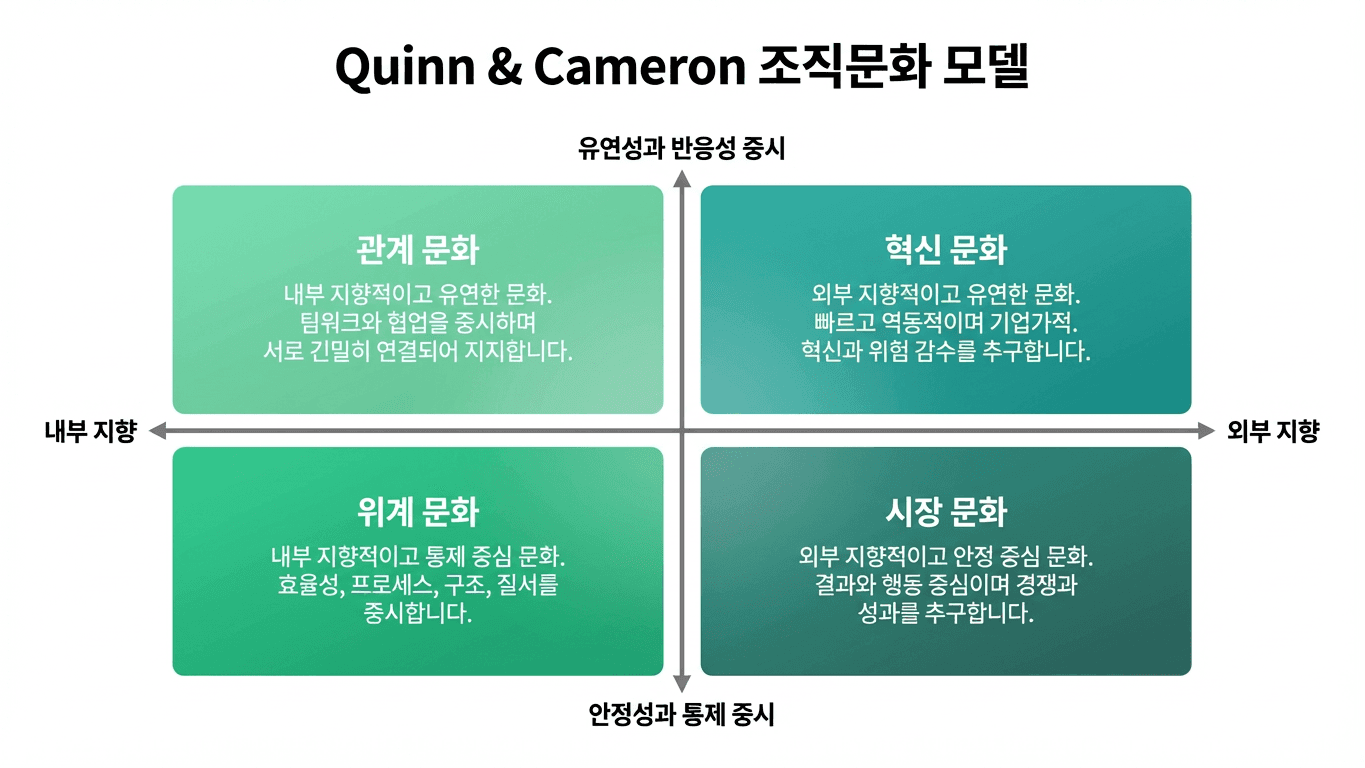
Gathering the best individuals doesn't make a team. This article outlines how to design a small but solid team using three principles—role design, execution autonomy, and communication structure—along with Quinn and Cameron's organizational growth model.
Aug 31, 20264 min read
BD Insights
Fleet Learning: Building Problem-Solving Capability as an Organizational Competency
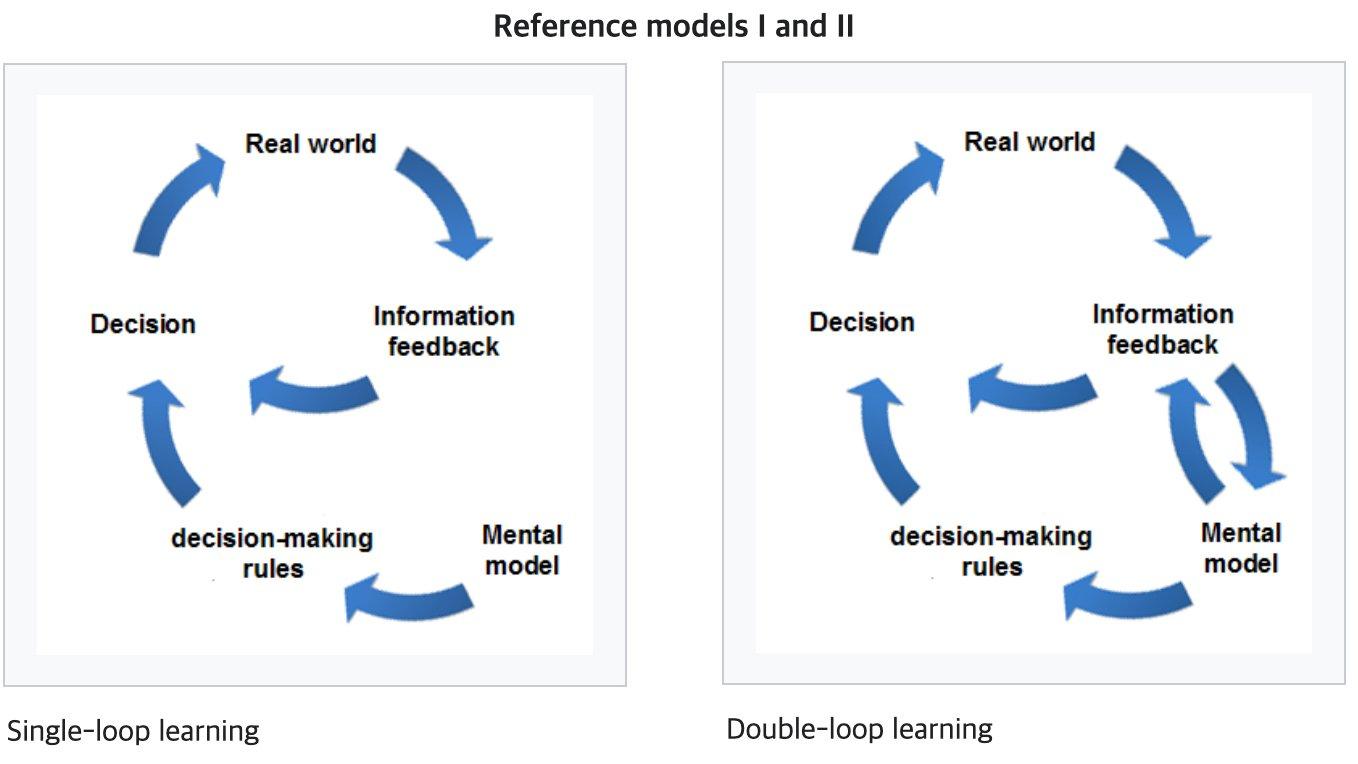
Among Google's countless projects, the success rate is only around 50%. They even operate a unique space called 'The Google Cemetery,' which displays the tombstones of discontinued services. Google autopsies these failures, identifying direct and indirect causes of problems, accurately recording them, and establishing countermeasures.
Aug 21, 20266 min read
BD Insights
The Process of Turning Opportunity into Organizational Capability
Open innovation is a paradigm that demands companies intentionally bring external ideas and technologies inside, share internal assets with the outside, and create value in order to survive and grow. In other words, it means breaking down organizational boundaries and raising the odds of innovation through active external interaction—and this clearly shows why 'absorptive capacity' is a core competitive advantage for modern startups.
CODEX 7. If you don't know the difference between a product and a commodity, you're not an entrepreneur
Imagine you're a researcher who has developed a functional food that solves insomnia. No matter how much you explain the outstanding ingredients—the combination of novel substances A and B, 99% bioavailability, cutting-edge coating technology—customers remain indifferent. Why? Customers suffering from insomnia aren't interested in chemical formulas. What they really want to know is: "If I take this, will I actually sleep well and wake up refreshed?"
Customers don't buy products—they buy the value those products deliver, the 'commodity.' They're not buying the ingredients of a functional food (product); they're buying the value of 'a comfortable morning' (commodity). If you don't understand this difference, you'll remain a researcher who creates the best product but fails to win a single customer.
'Functional value' of a product vs. 'business value' of a commodity
Successful entrepreneurs clearly distinguish and design these two types of value.
Functional value
This refers to the performance, technology, and specifications inherent in the product itself. It answers 'what can it do.' For example, 'This app uses AI technology to automatically organize 100 calendar items.' While it can demonstrate technical superiority, this alone rarely persuades customers.
Business value
This refers to the tangible benefits the product delivers to customers and the reason they should buy it. It answers 'why should I buy this.' For example, 'Every morning, we give you the gift of starting your day with calm and order.' This is what moves customers emotionally and opens their wallets.
Startups must fight with limited resources, so they can't afford to get stuck on functional value alone. To survive, you must offer clear business value that makes specific customers feel, "This was made for me!"
The compass for value design: the Golden Circle
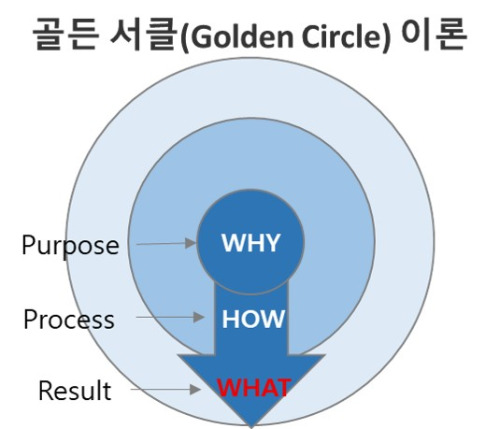
So how can we design business value? Simon Sinek's 'Golden Circle' theory provides a powerful compass for what to say to customers and how to say it.
The theory consists of three circles. WHY is why we do this work, how we want to change customers' lives. HOW is how we've implemented that function differently. WHAT is what our product's features are.
Most startups make the mistake of explaining WHAT (features) first. But what moves customers' hearts and opens their wallets is our belief and reason for existence—the 'WHY.' We shouldn't be selling 'WHAT' we make; we should be selling the value of 'WHY.'
How Calm sold 'peace of mind,' not 'meditation files'
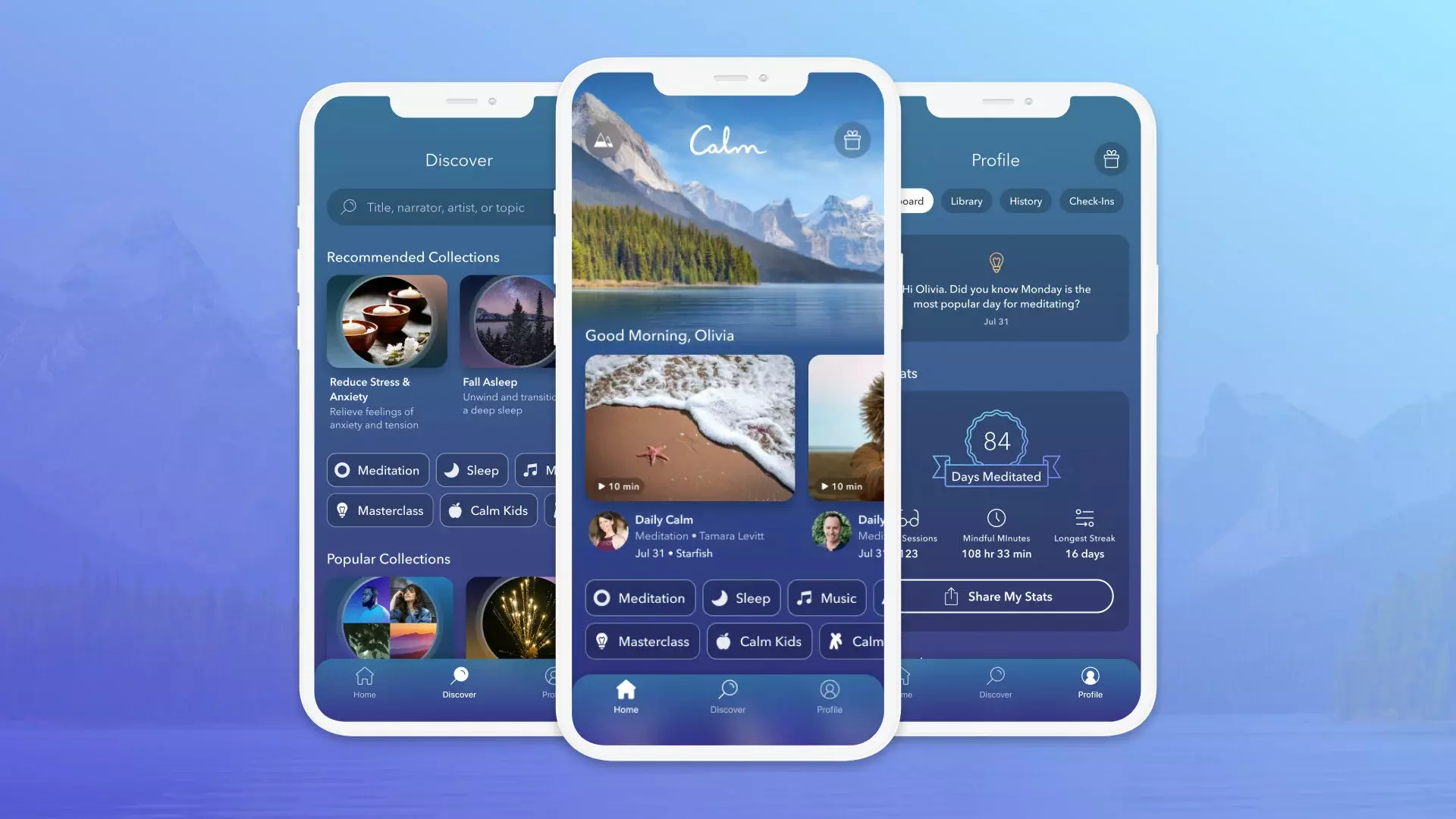
Let's look at the origins of Calm, which has become a unicorn in today's sleep and meditation app market. In the early meditation app market, there were countless competitors. Most of them focused on functional value (WHAT).
"We have 1,000 meditation tracks," "Recorded with the voices of famous meditation teachers"—that sort of thing.
These were good 'products,' but they lacked a compelling reason for customers to pay and use them. But Calm took a different approach. They focused on customers' deepest pain point: 'the nights of modern people who can't fall asleep due to anxiety and stress.'
The business value (WHY) Calm offered customers wasn't the meditation files themselves. They put forward the core value of 'To you who can't sleep, we give the gift of a peaceful night and a refreshing morning.' To deliver this, they created the distinctive feature (HOW) of 'bedtime stories for adults.'
What customers paid for wasn't meditation audio files (product) but 'the psychological relief of being able to forget the day's stress and fall asleep peacefully (commodity).' Thanks to this clear value design, Calm beat countless competitors to become the overwhelming market leader.
Designing 'business value,' not features
Step 1. Define 'WHY' our product must exist
Erase your entire feature list and start with the most essential question: "What problem do we solve for customers, and how do we want to make their lives better?" The answer to this question becomes your business value—your 'WHY.'
Step 2. Design 'HOW' to deliver that value
Establish the specific methods and principles for realizing your defined 'WHY.' Like Calm's 'bedtime stories,' consider what distinctive approach will most effectively convey your value.
Step 3. Then decide 'WHAT' to build
Finally, decide on the specific features and services that will embody that value. The features determined at this stage are no longer just a list of technologies. Each feature becomes 'evidence of value' with a clear rationale that answers the question, "Why must our product exist?"
Features may be a technologist's pride. But customers don't buy pride—they buy 'reasons' that will solve their problems. The moment you talk about features, you have a product; but the moment you design the value customers want, you finally have a 'commodity.'
[Produced using content from [Startup Codex 22] with permission from Brunch writer jaha Kim.]
To explore more content from jaha Kim, visit the link below.