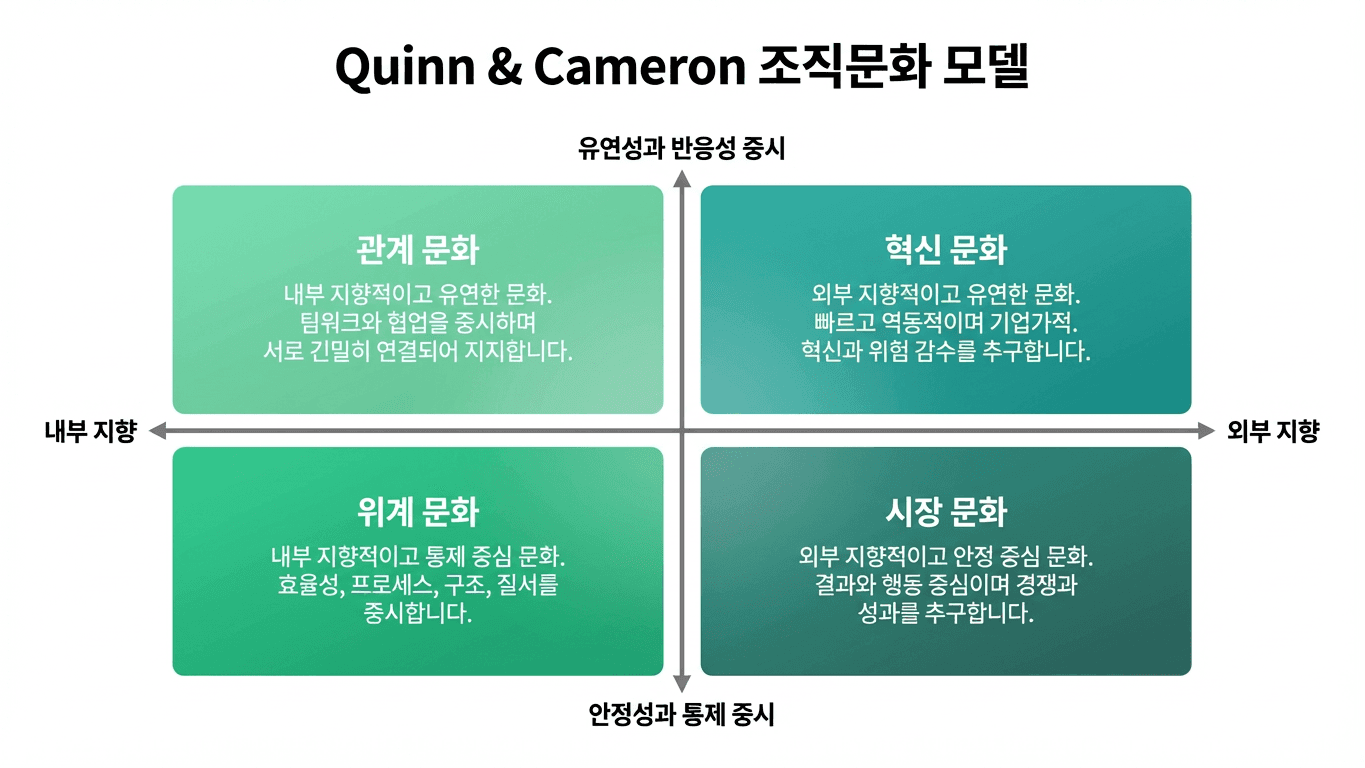
Gathering the best individuals doesn't make a team. This article outlines how to design a small but solid team using three principles—role design, execution autonomy, and communication structure—along with Quinn and Cameron's organizational growth model.
Aug 31, 20264 min read
BD Insights
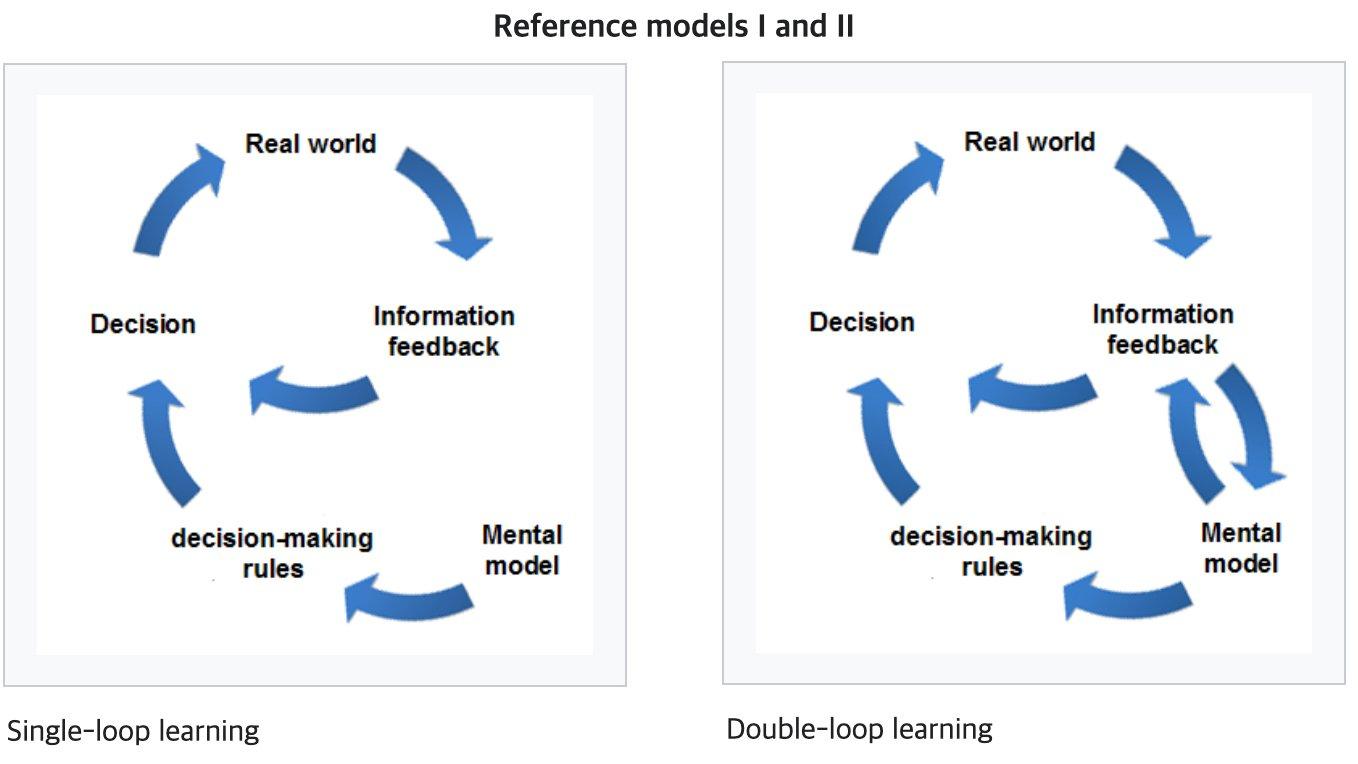
Fleet Learning: Building Problem-Solving Capability as an Organizational Competency
Among Google's countless projects, the success rate is only around 50%. They even operate a unique space called 'The Google Cemetery,' which displays the tombstones of discontinued services. Google autopsies these failures, identifying direct and indirect causes of problems, accurately recording them, and establishing countermeasures.
Aug 21, 20266 min read
BD Insights
The Process of Turning Opportunity into Organizational Capability
Open innovation is a paradigm that demands companies intentionally bring external ideas and technologies inside, share internal assets with the outside, and create value in order to survive and grow. In other words, it means breaking down organizational boundaries and raising the odds of innovation through active external interaction—and this clearly shows why 'absorptive capacity' is a core competitive advantage for modern startups.
CODEX 11. How to Design a Structure for Recurring Revenue
Retention (repetition) is not a marketing department's KPI. It's the starting point of product planning and the essential blueprint for a sustainable business. When customers return because of their recurring needs—not because of promotions—your product becomes a recurring 'habit' in their lives, not a passing 'event.'
Revenue is not about hunting—it's about building relationships
"Once people use our service, they keep using it!" Many entrepreneurs express confidence in their products this way. But when you look at reality, most startups live the life of a 'hunter,' constantly searching for new customers. They celebrate one successful hunt (sale), but must immediately start another anxious chase for tomorrow's meal.
But truly successful companies design their businesses from a 'merchant's' perspective, not a hunter's. Instead of relying on the next catch, they open a trustworthy store (platform), secure loyal regulars (customers), and build a system that generates predictable transactions (recurring revenue). Retention—customer retention—is not about promotional events (marketing); it's about the 'product composition' itself, which gives customers a reason to return.
Steady visits from predictable regulars are greater than one big-deal transaction. Recurring revenue is not luck—it's a well-designed commerce structure. Our role is not to hone the best hunting skills, but to build a commerce system that establishes lasting relationships with customers.
The real leverage for growth lies in 'repetition'
Many entrepreneurs fixate on a single number: 'revenue.' But the formula for healthy revenue is this:
Revenue = Number of Purchasing Customers × Average Order Value × Repeat Frequency
Of these three variables, the leverage that startups can most powerfully control and design is 'repeat frequency.' The number of new customers is heavily influenced by external factors, and there are limits to raising average order value. But making customers return to our product depends entirely on our design capabilities. Customers come back not because of ads, but because the product repeatedly solves their recurring problems.
You can't sell a piano twice
The first condition for designing a repeat purchase structure is asking whether the 'problem itself that our product solves is repeatable.' Customers don't buy pianos or air conditioners twice. These products solve the problem in one purchase. But if the problem occurs periodically, the connected product can be designed for recurring revenue.
Piano sales (one-time) can transform into piano tuning, lessons, and rental services (recurring), and air conditioner sales (one-time) can transform into filter replacement, cleaning, and inspection services (recurring). In other words, before designing a product, you must first identify whether a recurring need exists in the customer's daily life, and then restructure the product to match the cycle of that problem.
The psychology of repetition: Humans find decision-making exhausting
Why is it so hard to cancel a subscription service once it starts? The answer lies in behavioral economics. Humans have a powerful 'Status Quo Bias' that maintains the current state. Making new decisions consumes more mental energy than expected, so the brain instinctively avoids change and prefers the set default.
Recurring revenue structures precisely leverage this instinct. The moment customers make the biggest commitment is just once—at the 'first purchase.' Once the subscription begins, 'maintaining' becomes the default requiring no effort, while 'canceling' becomes the bothersome, exhausting action requiring new information search and decision-making.
Ultimately, a well-designed recurring product removes the friction of decision-making needed for repurchase, making 'continued use' the easiest and most natural choice. This is the powerful psychological lock-in effect created by structure—beyond marketing promotions.
Case Study: Dollar Shave Club sold shaving habits, not razors
@Dollar Shave Club
The razor market dominated by Gillette was a typical 'hunter's' market. They fought for customers' one-time choices on supermarket shelves, touting more blades and more sophisticated technology. The startup 'Dollar Shave Club (DSC)' that appeared in this market didn't make better razors. Instead, they became merchants who secured customers and designed a better repeat purchase structure.
They focused on the fundamental problem: razor blades are consumables that 'must be replaced periodically.' And they discovered the customer pain point: "It's annoying and burdensome to go to the store and buy expensive razor blades every time."
DSC's solution was a subscription model delivering razor blades to your home for $1 per month. Instead of selling razors as 'things,' they became partners managing customers' entire 'shaving habit.' Customers no longer needed to go to the store to buy blades, and DSC secured predictable monthly revenue. They changed the rules of the market by becoming 'a new kind of merchant' instead of 'a better hunter.'
The merchant's 3-step product design for creating regulars
Step 1. Define the 'Value Event'
Successful stores have a 'hook product' that keeps customers coming back. You must define the repeatable minimum unit of value where customers think "Ah, this is worth paying for!" as a 'Value Event.' For example, issuing one report or activating one seat. How quickly (Time to Value) and how frequently customers experience this value is the first button of repetition.
Step 2. Design the 'Repeatable Customer (ICP)'
Good merchants don't try to turn every passerby into a customer. They clarify the 'Ideal Customer Profile' who will visit the store daily and focus on them. You must engineer customer segments whose lives or work (JTBD) involve problems that recur periodically—problems our product solves—and provide experiences optimized for them.
Step 3. Synchronize 'Payment and Value' (Pricing & Packaging)
You must enable regular customers to pay naturally and reasonably in proportion to the value they feel. Design usage-based pricing based on Value Events, packages that expand with customer growth (Good-Better-Best), monthly/annual commitments, etc., to align customer success with our success. When this structure is proven by healthy financial metrics like LTV/CAC > 3 and high Net Revenue Retention (NRR), your store becomes a hot spot where investors line up.
Is your product a hunter's impressive 'trophy' or a merchant's steady 'best seller'?
Retention is not a marketing department's KPI. It's the starting point of product planning and the essential blueprint for a sustainable business. When customers return because of their recurring needs—not because of promotions—your business finally ends the anxious hunter's time and enters the prosperous merchant's time.
Produced with permission from Brunch author jaha Kim, using content from [Startup Codex 22].