Facebook and Kurly both started with a narrow customer base
7 min read
Related articles
BD Insights
How to Build a Small but Strong Team
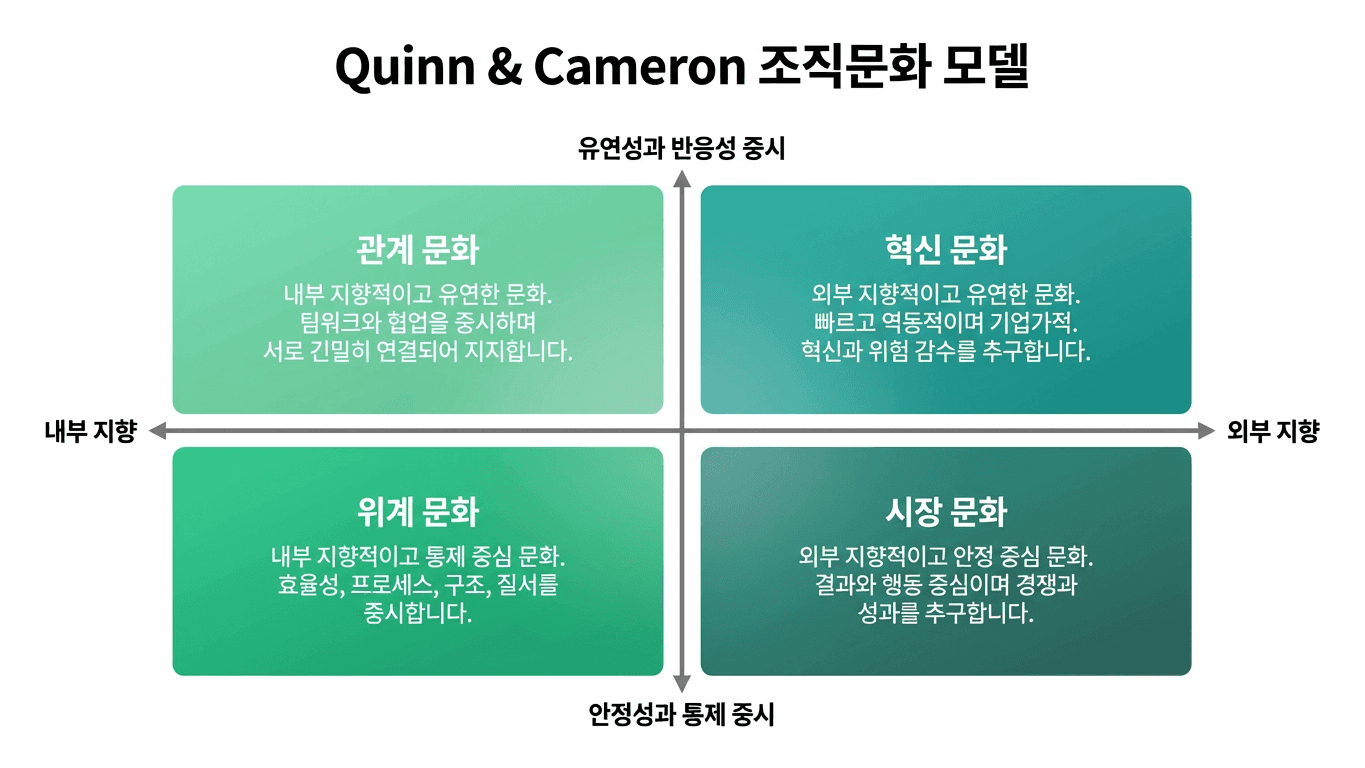
Assembling top individuals doesn't make a team. This article outlines how to design a small but solid team using three principles—role design, execution autonomy, and communication structure—along with the Quinn and Cameron organizational growth model.
Aug 31, 20264 min read
BD Insights
Fleet Learning: How to Turn Problem-Solving Into Organizational Capability
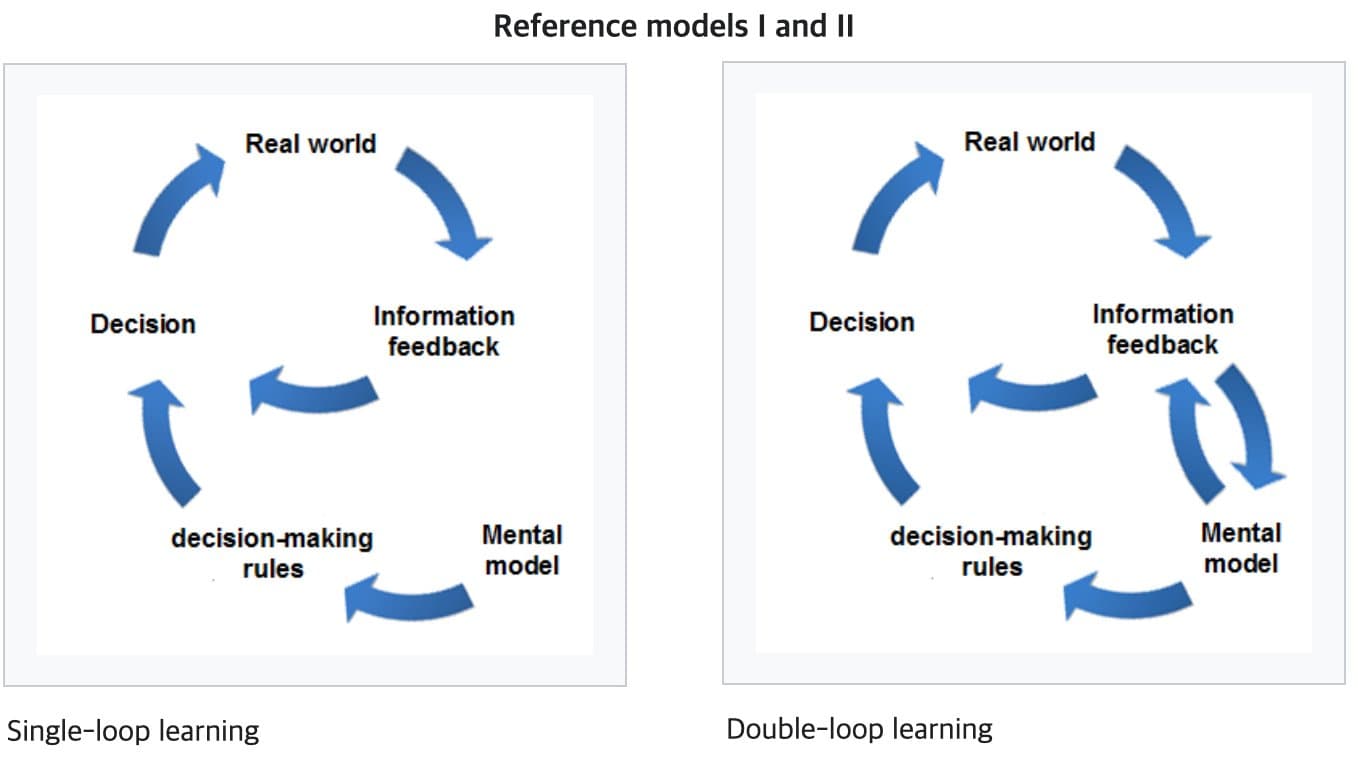
Of Google's countless projects, only about 50% succeed. The company even runs a unique space called 'The Google Cemetery' that displays tombstones of discontinued services. Google dissects these failures like autopsying a body, identifying direct and indirect causes of problems, documenting them precisely, and establishing countermeasures.
Aug 21, 20266 min read
BD Insights
Turning Opportunities into Organizational Capabilities
Open innovation is a paradigm where companies must intentionally bring in external ideas and technologies, share internal assets with the outside world, and create value to survive and grow. In other words, it's about breaking down organizational boundaries and increasing the probability of innovation through active external engagement—clearly demonstrating why 'absorptive capacity' is a core competitive advantage for modern startups.
When starting a startup, founders agonize over 'what to build'
An innovative idea, outstanding technology, flashy features. Many founders pour all their energy into the product itself. Yet strangely, so many startups disappear despite having seemingly perfect products. Why? At the center lies the 'customer.' And who you define as your customer is sometimes far more important than the product you build.
Startups have neither the resources nor the time to satisfy everyone. That's why you must carefully and obsessively find that one person you need to reach first.
Why Jelly's service failed
There was a startup called Jelly, created by Twitter co-founder Biz Stone. It was an SNS platform where people posted questions and others answered. On the surface it was perfect. Good design, well-crafted functionality.
But the customer definition wasn't clear. Who exactly needed it, what problem it solved—it was all vague. In the end, Jelly became a service that was 'seen' by many but 'needed' by no one.
"If everyone is your customer, no one is your customer." That phrase captures the case precisely.
The narrower the customer, the deeper the understanding
"This product is needed by everyone. Our market is huge." Could there be a more dangerous statement for a founder? It's easy to fall into the illusion that broadening your target expands the market and increases your odds of success.
But reality is the exact opposite. The narrower your target customer, the sharper the product, the clearer the message, and the more explosive the customer response.
Startups must fight with limited resources. A vague target makes everything blurry. You fear going too narrow might mean not finding customers, and going too broad might mean capturing no one's heart. That's why what matters is 'a clearly defined customer within an appropriate scope.'
"How old are they, what problems do they face, what values do they respond to?" When you can answer these questions concretely, your product finally becomes a sharp weapon.
Facebook and Kurly both started with a narrow customer base
Think about Facebook, used by people worldwide today. Their beginning wasn't 'everyone.' It was an extremely limited group: 'Harvard University students.' After perfectly conquering that small, clearly defined base at Harvard, they expanded to other Ivy League schools, then all US colleges, then the entire world.
If Mark Zuckerberg had set out from the start to build "a social network for the entire world," Facebook might not exist today.
Facebook's early strategy started not with 'everyone' but with an ultra-focused target: 'Harvard students.' Precisely targeting a 'core customer' from the start, rather than the entire market, is the shortcut to success.
Korea's Kurly is no different. They didn't aim for 'everyone who buys fresh food online.' Their first customer was far more specific: 'working mothers living in Gangnam who are sensitive about what their children eat and are willing to pay more if quality is guaranteed.'
By finding this small but responsive customer group and solving their problems perfectly, their passionate reactions and word-of-mouth became Kurly's growth engine.
"Precisely targeting the 'first customer' who will respond most passionately, rather than the entire market from the start, is the shortcut to success."
Visitor vs. customer
We use the word 'customer' so casually. But we rarely think deeply about what it truly means. Many people mistakenly think 'customer' (高客) uses the character for 'high' (高), as in 'elevated guest.'
But the true character for customer is 顧客—'gu' (顧) meaning 'to look back' plus 'gaek' (客) meaning 'guest.' It literally means 'a guest who returns and looks back at us.' It's the same 'gu' (顧) from 'samgochoryeo' (三顧草廬), when Liu Bei visited Zhuge Liang's thatched cottage three times.
Not a relationship that passes by once, but someone who returns, shares opinions, and builds a relationship—that's a true 'customer.'
How Starbucks turned visitors into customers
If someone stops by Starbucks while walking and buys a coffee, that person is a 'visitor' to Starbucks. But Starbucks doesn't know who they are, why they came, or whether they'll return tomorrow.
However, once they install the Starbucks app, register a card with their name, and start collecting Stars, they're no longer a visitor but a 'customer.' Starbucks gains data on their favorite drinks and typical visit times. Based on this data, Starbucks sends personalized coupons and engages them. Now they've formed a relationship with Starbucks and become a partner who influences the brand's direction.
A startup's real business begins by turning 'visitors' into 'customers.' To convert visitors into customers, you must build a structure to accumulate and analyze their data and reconnect with them.
You need to know why they bought your product, what inconvenienced them, and how you solved that problem. Real business is born from that information and relationship.
Customer vs. market: chase reality, not illusions
While preparing to launch, we constantly ask about 'market' size. "This market's worth KRW 10 trillion!" "It's growing 20% annually!"
Seeing such numbers somehow gives us reassurance and confidence. But this can be the start of a massive delusion. Those are 'market' stories, not 'customer' stories.
Many founders look at market size and believe countless customers must exist within it. But in reality, the market is just background. Customers who desperately want our product, are ready to pay, and clearly recognize their problem are extremely few.
Why Juicero failed despite raising $120 million
The case of Juicero, a Silicon Valley startup that raised $120 million, reveals much. They saw the massive 'health and wellness' market.
They built a $400 smart juice machine equipped with wifi. Investors were thrilled, but when the product launched, no one bought it. Why? They saw the 'market' but not the 'customer.'
They focused only on the massive market premise that "people want to drink healthy juice conveniently." But they couldn't answer the real customer question: "What customer desperately needs this $400 machine that only uses proprietary juice packs, instead of an existing blender?"
In the end, Juicero failed without finding a single real customer within that massive market. The starting point of entrepreneurship isn't a report filled with numbers—it's 'people.' When you clearly identify that person feeling inconvenienced right now and can solve their problem, your startup can survive within the market.
Three-stage questions for BD professionals defining customers
Stage 1. Clearly distinguish visitors from customers
'Visitors' pass by once; 'customers' engage repeatedly. You must design a data-based structure to convert visitors into customers.
First, ask questions that distinguish visitors from customers. Think concretely about who will experience your product or service once and leave, versus who will return repeatedly. In this process, consider how to collect data and design retention to encourage customer returns.
Step 2. Define your target customer as a specific person, not a market
You must distinguish between the market (total size, potential) and actual customers (specific personas who have the problem). Don't obsess over market data—define 'the person who desperately wants my product right now.'
Start by drawing a concrete persona. Write down how old this person is, where they live, what problem they're experiencing, and what alternatives they're currently using to solve it. If you can't answer these questions specifically, you haven't defined your customer yet.
Step 3. Select and focus on your first customer (Beachhead)
Like the Facebook and Kurly cases, you must clearly identify 'the small group of first customers who will respond most passionately.' Focus on solving their problem perfectly, then establish a gradual expansion strategy.
First and foremost, consider where the customer group that will respond earliest and most strongly is located. After clearly defining this group, it's important to focus on delivering the product to them initially and improve based on their feedback.
By applying these three questions sequentially, you can refine your execution strategy based on the answers obtained at each stage.
What problem is my defined customer experiencing right now, and why should they use this product now?
If you can't answer this question confidently, reconsider your launch. Startups don't begin with 'what should we build?' They start with 'who is this for?' You need to create customers who will return, not just visitors. This must begin with customer design.
Produced using [Startup Codex 22] content with permission from Brunch writer jaha Kim.
To explore more content from jaha Kim, visit the link below.