CODEX 2. Finding Comes First: Establishing Target Customer Hypotheses
Startups begin with hypotheses, not certainties. You don't start with the answer that 'this product will succeed.' You're like a whaler venturing into unknown waters, carrying a sharp hypothesis: 'These people with this problem will probably want our product.'
To do that, you must hypothesize which whale to hunt and prepare accordingly. Thinking you can catch multiple whales with a net from a small startup boat isn't courage—it's recklessness. Focus on one whale, hypothesize which one you want, and prepare the harpoon that best fits that whale.
Early target customers are 'found,' not 'gathered'
Many startups burn through marketing budgets trying to 'gather' customers. They distribute event promotions, run online ads, and publish content on social media. It's a vague expectation that if we reach enough people, someone will come. Like casting a net into a wide river and waiting for fish to get caught.
But early-stage startups can't afford this 'gathering.' Our approach must be closer to 'finding.' Like a profiler at a crime scene, you sketch the suspect's distinct features, identify likely locations, and persistently hunt them down.
'Gathering' customers means shouting at an unspecified crowd; 'finding' customers means speaking to a specific individual. Early on, we shouldn't shout—we should find and speak to them. Rather than climbing a mountain to emotionally broadcast your message, hypothesize your target customers, find them, and shout at their crossroads.
How GoPro captured surfers' hearts
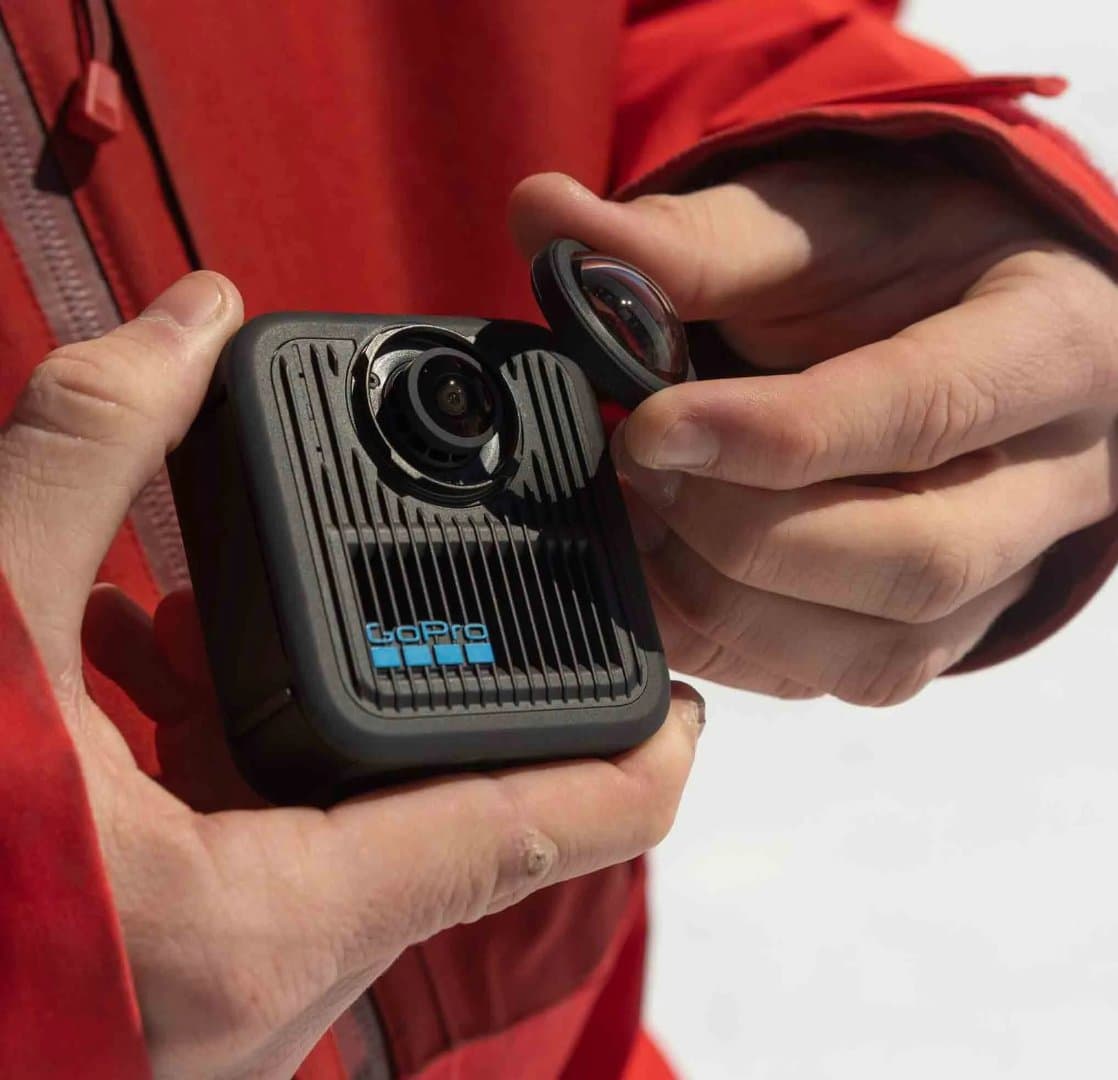
Consider GoPro, the synonym for action cameras. What if founder Nick Woodman had launched with 'a camera for everyone who wants to record every moment in the world'? He would have disappeared silently in competition with countless camera giants.
Their first hypothesis was far more specific and tenacious: 'Surfers who want to film themselves surfing magnificently on waves are frustrated by the limitations of existing cameras.'
They didn't target 'everyone'—they went after a clearly defined group: 'surfers.' They focused everything on solving their biggest pain point: 'not being able to capture their dynamic selves when both hands aren't free.' The result was a small, rugged camera with waterproofing and a wrist strap perfect for surfers.
GoPro didn't gather customers. They precisely found surfers who were desperately waiting for a product to solve their problem at surf shops and beaches.
A BD Professional's Initial Customer Hypothesis: The PPC Framework
A hypothesis isn't mere speculation. It must be a concretely designed statement that can be tested. You can establish a clear initial customer hypothesis by combining these three elements:
1. Persona: 'Who' experiences this pain
Demographic information like age and gender isn't enough. You need to sketch specific behavioral and psychological characteristics: their occupation, other products they use, channels where they get information, values, and more.
Create a fictional character—a 'proto-persona.' Visualize their name, photo, background story, goals, and frustrations on a single page so the entire team imagines the same customer.
2. Problem: What 'pain' will you solve
Define not just an 'inconvenience' but a specific pain point the customer would willingly pay money or spend time to solve.
Define the customer's problem in one sentence: '[Customer] suffers from [problem] when [situation].' For example: 'Surfers suffer from being unable to capture their amazing moves because they can't hold a camera with both hands while riding waves.'
3. Channel: 'Where' is this persona
If you can't meet the customers you've defined, your hypothesis is useless. You need to know the specific online and offline spaces where they get information, communicate with peers, and spend time.
List the three channels most likely to have your defined persona: 'specific surfing community sites,' 'surf schools in Yangyang/Busan,' 'surfing equipment specialty shops,' etc. These are your first laboratories for testing the hypothesis.
Before building a product, build a customer hypothesis. A perfect product doesn't create customers—a sharp hypothesis reveals who we need to find. Hypothesis design comes first.
Created with content from [Startup Codex 22] with permission from Brunch writer jaha Kim.
For more content from jaha Kim, visit the link below.
[jaha Kim's Brunch Story]