How to Design a Structural Growth Strategy: Ansoff Matrix and Expansion Pathways
7 min read
Related articles
BD Insights
How to Build a Small but Strong Team
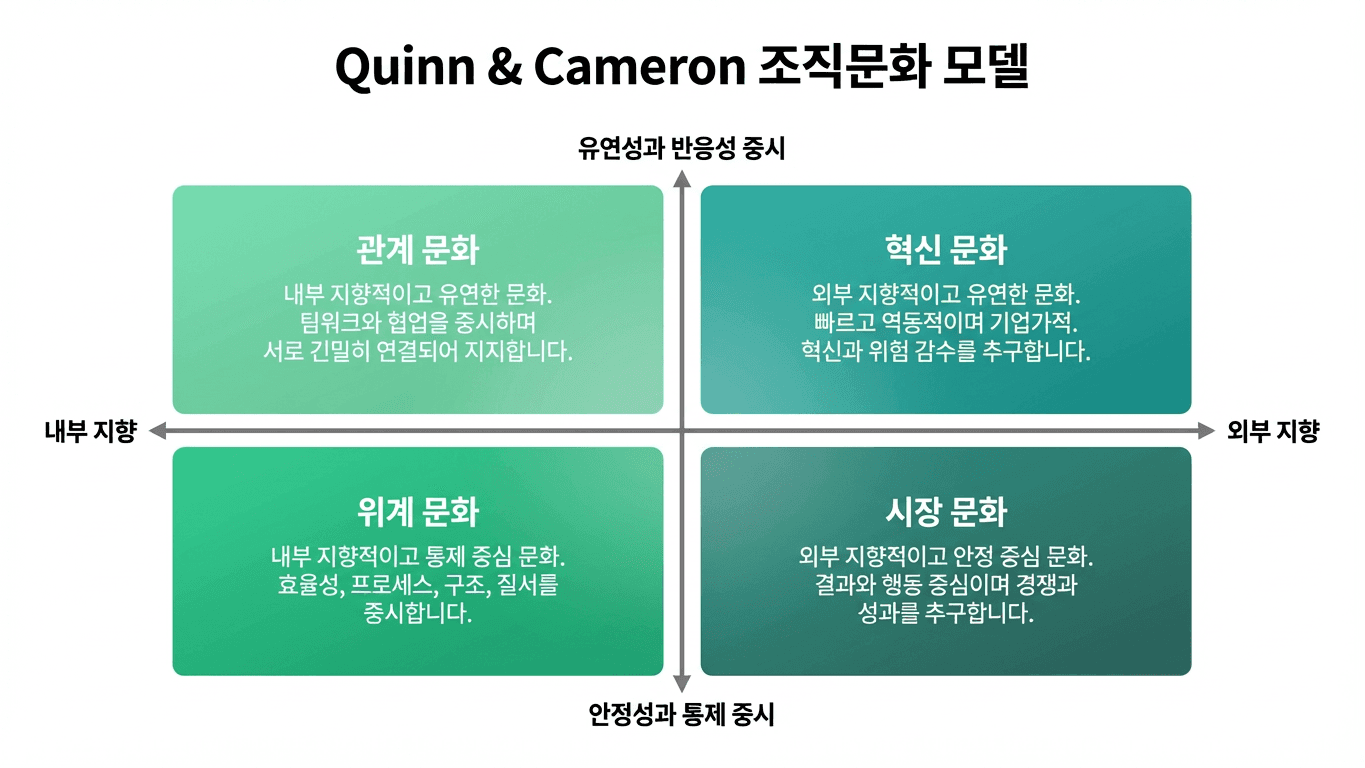
Gathering the best individuals doesn't make a team. This article outlines how to design a small but solid team using three principles—role design, execution autonomy, and communication structure—along with Quinn and Cameron's organizational growth model.
Aug 31, 20264 min read
BD Insights
Fleet Learning: Building Problem-Solving Capability as an Organizational Competency
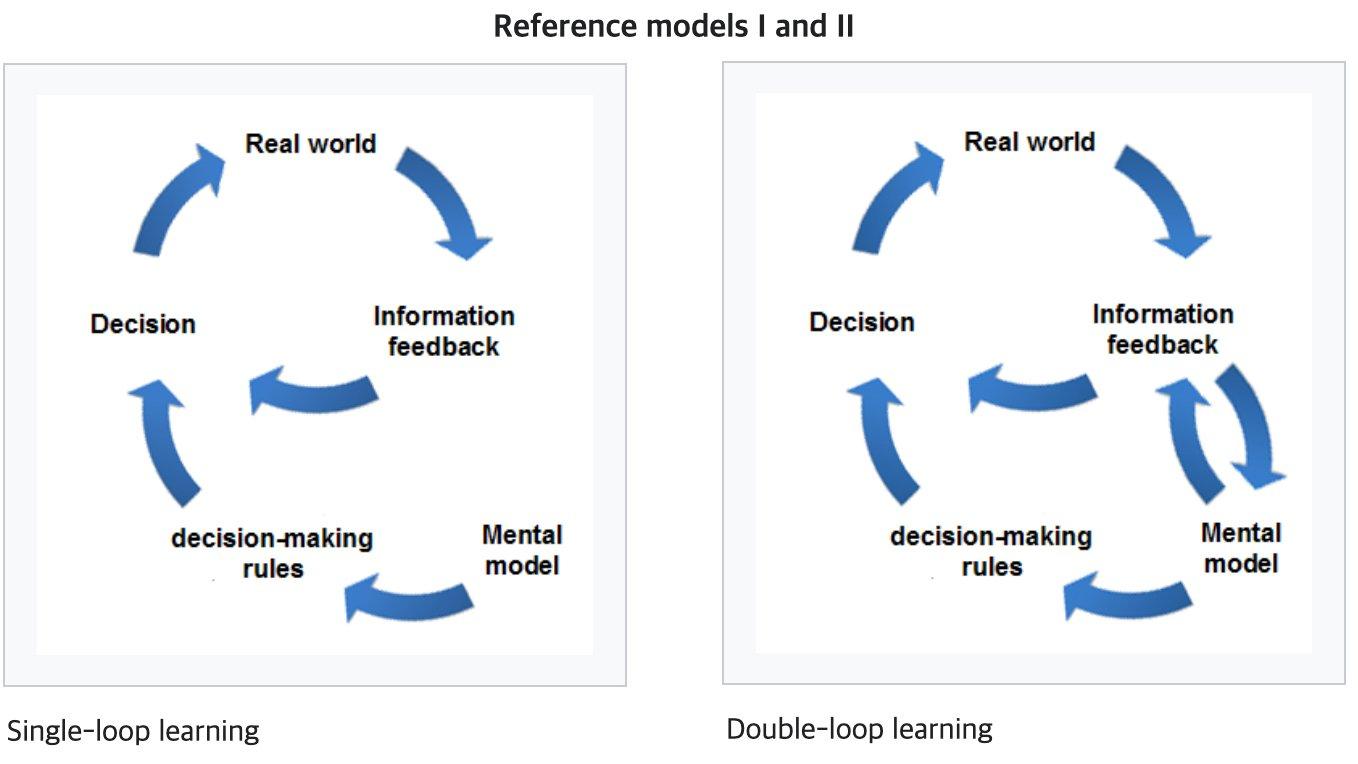
Among Google's countless projects, the success rate is only around 50%. They even operate a unique space called 'The Google Cemetery,' which displays the tombstones of discontinued services. Google autopsies these failures, identifying direct and indirect causes of problems, accurately recording them, and establishing countermeasures.
Aug 21, 20266 min read
BD Insights
The Process of Turning Opportunity into Organizational Capability
Open innovation is a paradigm that demands companies intentionally bring external ideas and technologies inside, share internal assets with the outside, and create value in order to survive and grow. In other words, it means breaking down organizational boundaries and raising the odds of innovation through active external interaction—and this clearly shows why 'absorptive capacity' is a core competitive advantage for modern startups.
CODEX 15. How to Design a Structural Growth Strategy: Ansoff Matrix and Expansion Pathways
Early success comes from an outstanding product, but long-term growth comes from the ability to design a scalable business structure. Using the Ansoff Matrix and the Ohouse case, we outline three growth pathways: customer base deepening, product portfolio expansion, and new market entry.
Growth comes not from better products, but from scalable business structures
A startup that succeeds in its initial market is like a young winemaker who has produced a single bottle of critically acclaimed wine. But creating one masterpiece bottle and running a winery that spans generations require completely different capabilities.
When growth stalls, many founders obsess over 'better features.' But the real cause is usually not the product—it's the business structure. The essence of expansion strategy is not simply bringing in more customers, but building a growth model that works in more contexts.
The Growth Blueprint: Ansoff Matrix
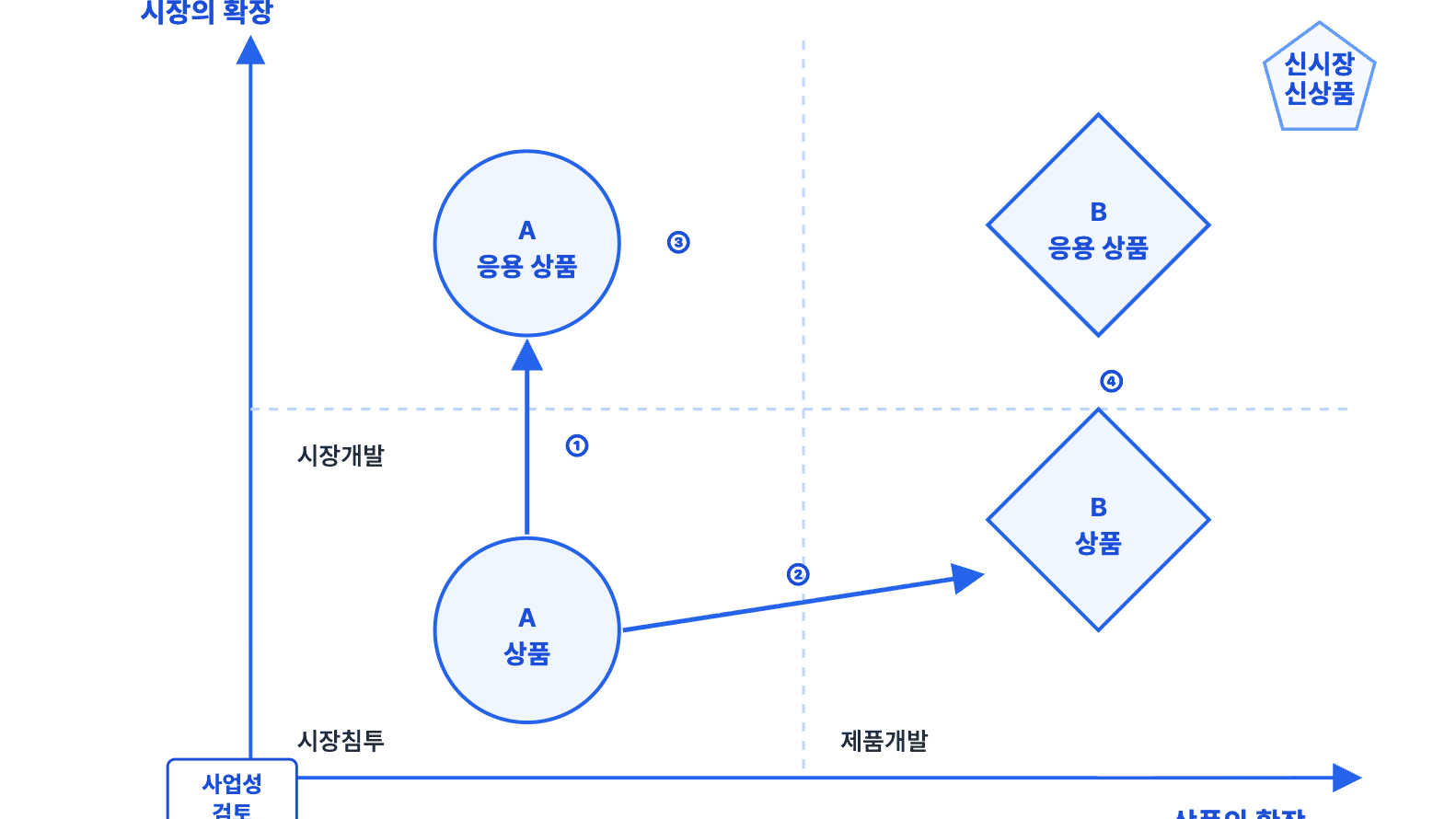
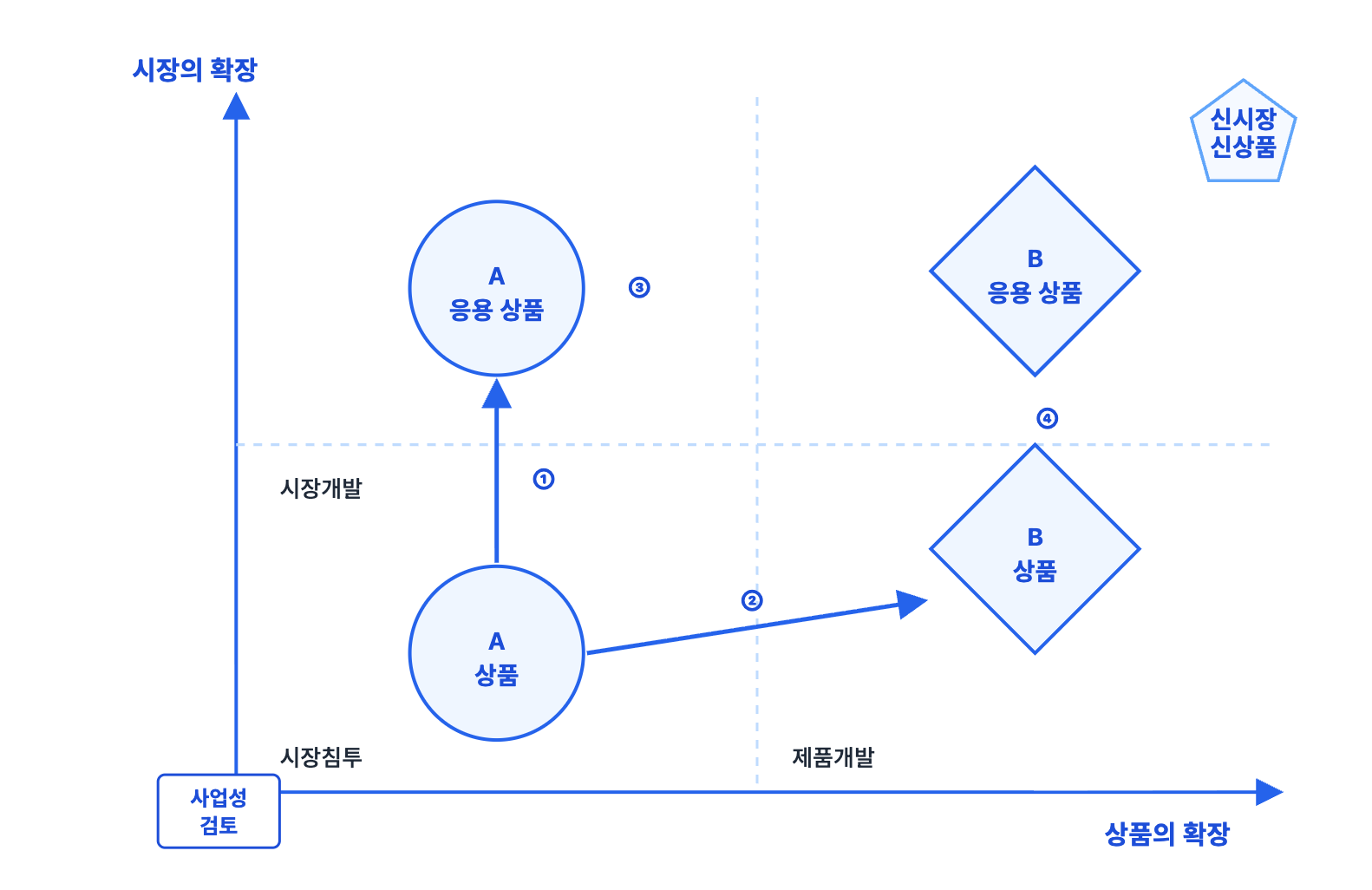
Growth is not about charging forward blindly—it's about choosing a direction. A classic framework in management, the Ansoff Matrix shows four growth pathways a company can take.
@GritBD
Market Penetration
Sell more of your existing products to existing customers, more often. This is the lowest-risk, highest-efficiency strategy.
Product Development
Launch new products that solve additional problems or needs for your existing customers. Since you leverage trust you've already built, sales costs are lower than acquiring new customers.
Market Development
Sell your proven existing products to new markets or customer segments. It's replicating your success formula.
Diversification
Enter new markets with new products. This carries the highest risk of the four pathways and is not recommended for most early-stage startups.
Startups must choose which of these four growth pathways they need most right now. In most cases, the most stable progression is market penetration → product development → market development.
1. Customer Base Deepening: Market Penetration
The most stable starting point for growth is not finding new markets, but deepening relationships with existing customers. Ten loyal customers who purchase repeatedly every year are a stronger foundation for your business than one hundred casual customers.
The key is maximizing LTV (customer lifetime value). It's a strategy of increasing value per customer, not the number of customers. Use cohort analysis to identify which customer cohorts stay longest and spend most, then focus on acquiring customers with those characteristics (your ICP, Ideal Customer Profile).
2. Product Portfolio Expansion: Product Development
A single product cannot solve all of a customer's problems. Eventually, customers ask, 'Do you have other products?' This is when you need product portfolio expansion.
Expansion takes three directions. First, tier expansion (upselling) by offering premium versions of existing products. Second, complementary expansion (cross-selling) by adding related products that work together with existing ones. Third, experience expansion (service) by developing services connected to products, keeping the entire customer journey within your ecosystem.
What matters is not simply increasing the number of products, but mapping the customer journey to anticipate the next problems customers will face after their first purchase, then expanding to fill those gaps.
3. Market and Customer Expansion: Market Development
Once you've established a success formula in your existing market, it's time to replicate that formula in new markets. This is the final stage of expansion strategy.
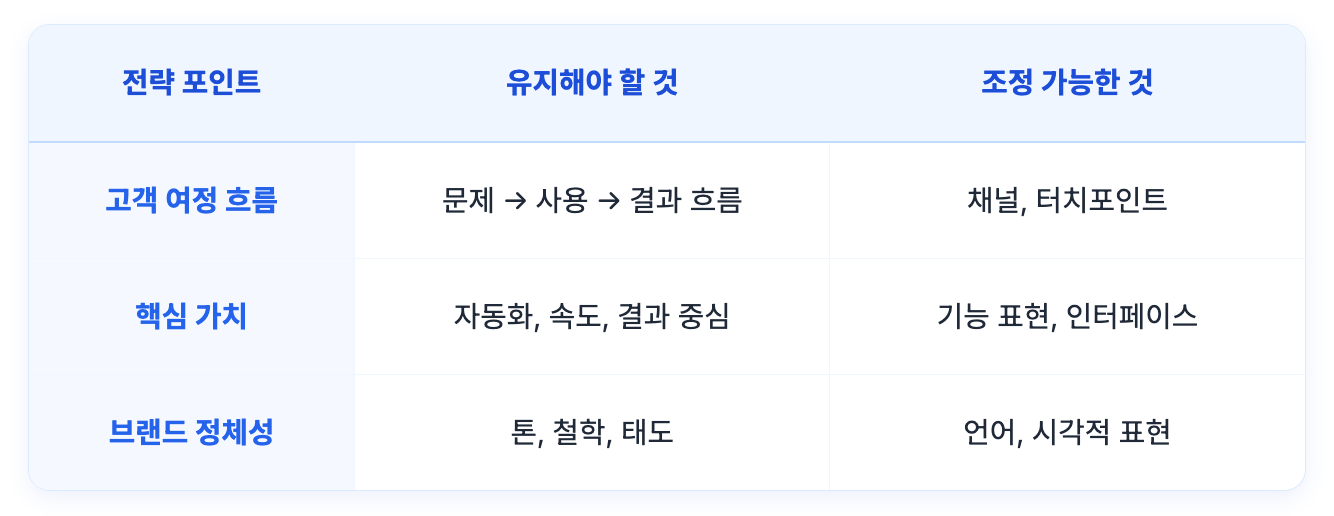
The most critical decision here is: what to keep and what to adjust. You must preserve your core value (the problem your product solves), but adjust your expression (marketing messages, pricing structure, distribution channels) to fit the culture and environment of the new market.
How Ohouse Connected Three Growth Pathways
@Ohouse
Ohouse's expansion process demonstrates how to organically connect the three pathways of the Ansoff Matrix.
Market Penetration
Ohouse began by building a clearly defined initial customer base—'people serious about interior design'—in community form. They created a循環 structure where users share their spaces and reference other users' interiors, maximizing existing customers' time on site and return rates.
Product Development
They then integrated a 'store' function allowing direct purchase of furniture and items appearing in community content. This was a natural transition from content to commerce, a product portfolio expansion that precisely solved existing customers' next desire ('Where do I buy this furniture?'). This transition led to explosive transaction volume growth.
Market Development
Ohouse didn't stop there. To take responsibility for the entire interior design process, they entered new markets by expanding into service areas like moving, construction, and repair/installation. By solving the next problem existing customers face in the interior design process (How do I find a contractor?), they completed a consistent expansion pathway: community → commerce → service.
Through multi-dimensional expansion design spanning customers, products, and markets, Ohouse transformed growth from a one-time event into a repeatable system.
Three Stages of Structural Growth Design
Stage 1. Define and deeply penetrate your core customer base
The starting point for growth is not new markets, but the core customers who form the foundation of your current business.
Action 1: Divide monthly sign-up groups (cohorts) and analyze which cohorts stay longest and spend most. Use this to clearly define your Ideal Customer Profile (ICP).
Action 2: Design a membership program for loyal customers. Convert casual users into ambassadors by offering early access to new features, exclusive content, and discounts. This is the surest way to maximize LTV and lower CAC.
Action 3: Regularly assess why customers continue using your product or why they leave. Detect and address churn causes early through NPS surveys and 1:1 interviews.
Stage 2. Develop products that solve existing customers' 'next problems'
Action 1: Map the customer journey to anticipate the next problems or needs customers will face after their first product. Plan new product lineups that can fill those gaps.
Action 2: Design synergies with existing products. Create product configurations that make customers naturally experience more value and spend more—discounts for bundle purchases (cross-selling), premium line offerings (upselling).
Action 3: Expand beyond products into service areas. Develop experience products like consulting, education, and installation connected to your products, keeping the entire customer journey within your ecosystem.
Stage 3. Replicate your proven success formula in adjacent markets
Action 1: Identify adjacent markets where customers face similar problems to your existing customers. Prioritize places where your success formula is highly applicable over market size.
Action 2: Preserve your core value, but adjust marketing messages, pricing structure, and distribution channels to fit the new market environment.
Action 3: Lower entry barriers by partnering with local partners who know the new market best—resellers, consulting firms, community leaders.
Real growth begins when you design business structures, not just products
A hit product is born from a founder's capabilities, but sustained growth is the result of business structure design. Deepening the customer base, broadening the product portfolio, and replicating proven formulas in adjacent markets—when these three pathways are organically connected, growth becomes a repeatable system rather than a one-time event.
True scale-up is not about making better products, but about building a scalable business structure.
Feedback Loop That Questions Your Thinking
Q1. Where should our business focus more right now—acquiring new customers or deepening relationships with existing ones?
Q2. If customers buy our product once and leave, is it because we don't have a next product?
Q3. What adjacent markets can we enter by replicating our success formula almost exactly?
Q4. Are we asking 'Can we sell more of this product?' or 'Can we expand this business structure?'
[Startup Codex 22]
Produced using content with the permission of Brunch writer jaha Kim.