Why You Must Distinguish Between Customer Wants and Market Needs
6 min read
Related articles
BD Insights
How to Build a Small but Strong Team
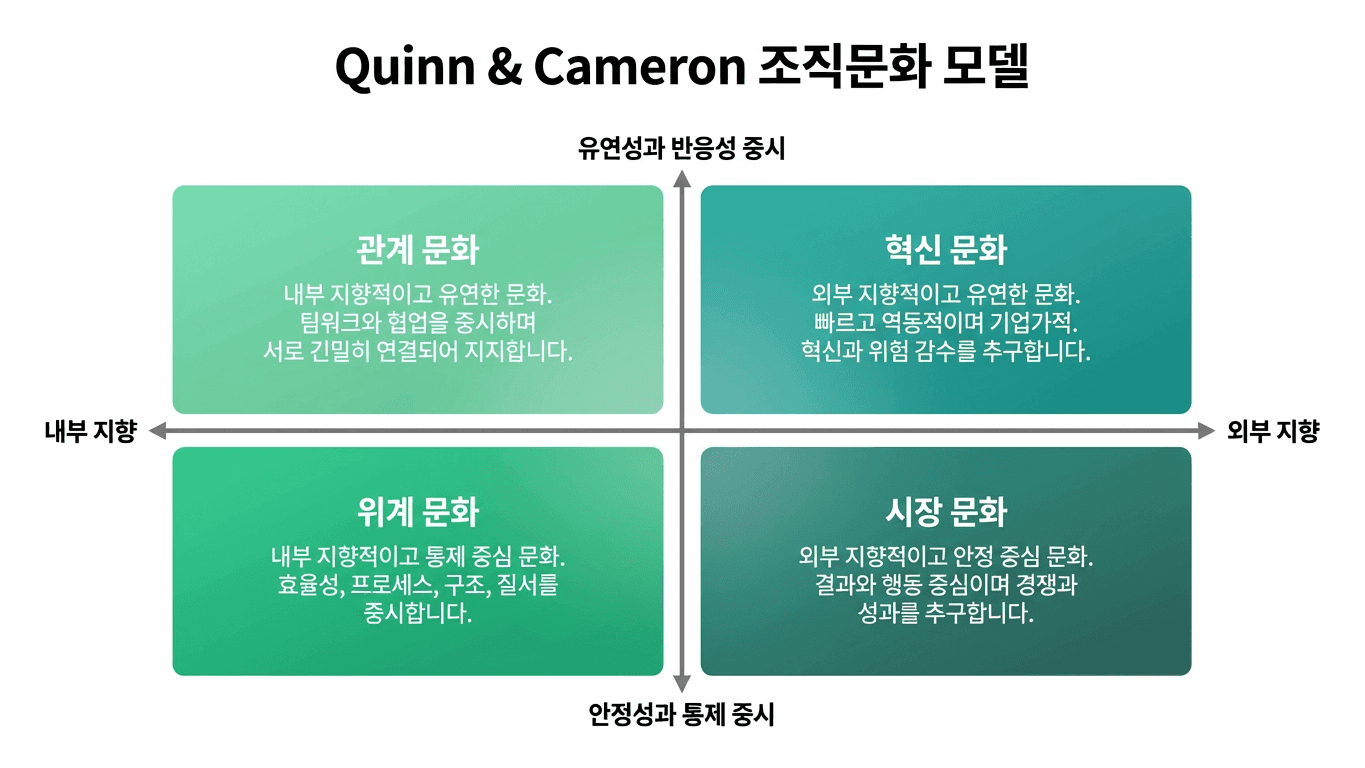
Assembling top individuals doesn't make a team. This article outlines how to design a small but solid team using three principles—role design, execution autonomy, and communication structure—along with the Quinn and Cameron organizational growth model.
Aug 31, 2026
4 min read
BD Insights
Fleet Learning: How to Turn Problem-Solving Into Organizational Capability
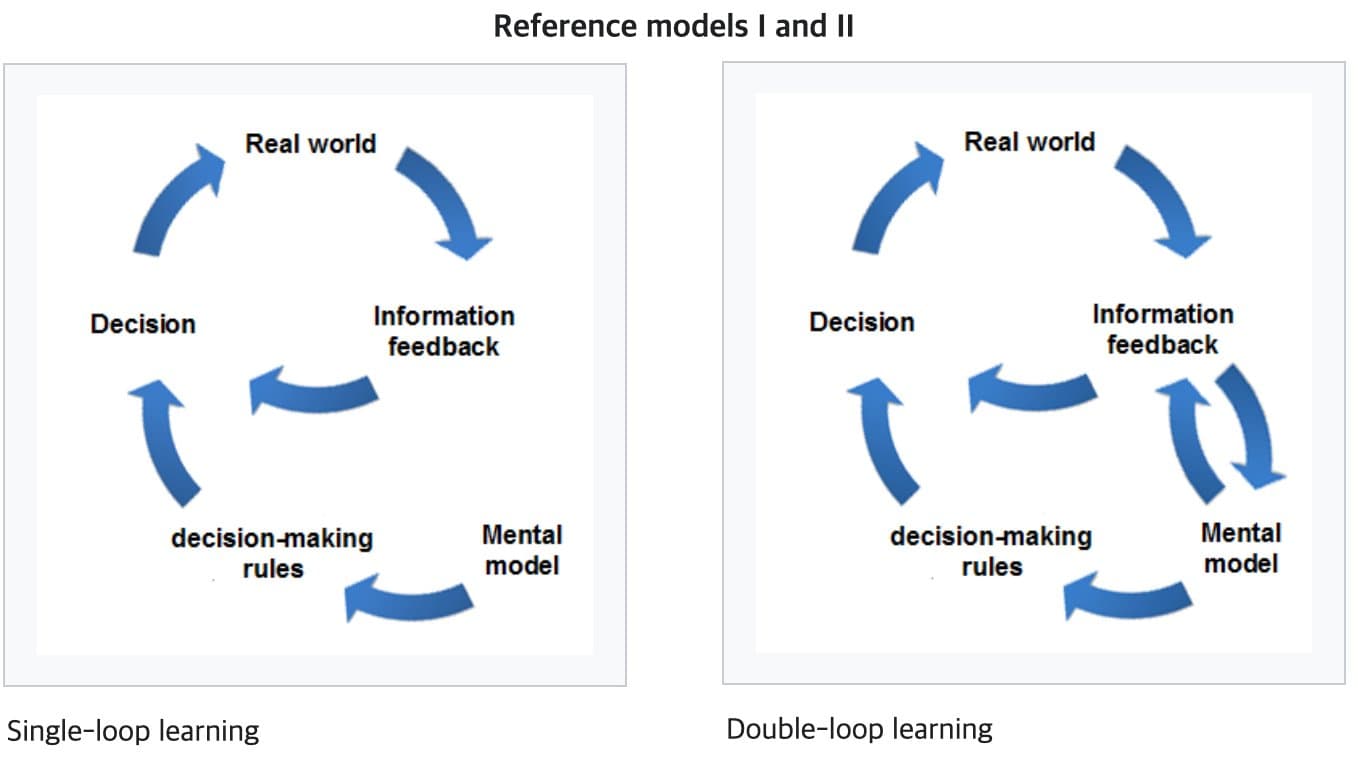
Of Google's countless projects, only about 50% succeed. The company even runs a unique space called 'The Google Cemetery' that displays tombstones of discontinued services. Google dissects these failures like autopsying a body, identifying direct and indirect causes of problems, documenting them precisely, and establishing countermeasures.
Aug 21, 20266 min read
BD Insights
Turning Opportunities into Organizational Capabilities
Open innovation is a paradigm where companies must intentionally bring in external ideas and technologies, share internal assets with the outside world, and create value to survive and grow. In other words, it's about breaking down organizational boundaries and increasing the probability of innovation through active external engagement—clearly demonstrating why 'absorptive capacity' is a core competitive advantage for modern startups.
CODEX 3. Customers Don't Know Their True Diagnosis
When starting a startup, we usually obsess over 'what to build.' But the most important question is different: 'Who is experiencing what problem, and why?'
Customers often talk only about their symptoms without knowing the diagnosis. If you fail to properly define the problem your customer is facing, no matter how dazzling your technology and design, it's like slashing at thin air. Many founders say after customer interviews: 'Our product is great... why aren't they using it?' The reason is simple. You offered the 'feature' you wanted to build, not the 'solution' the customer truly needs.
Why You Must Distinguish Between Customer Wants and Market Needs
The biggest reason defining customer problems is difficult is confusing 'wants' with 'needs.' These two may seem similar, but they're fundamentally different.
Wants are desires or wishes customers express directly. Things like 'I wish the UI were prettier' or 'I wish there were more notification sounds.' They're highly visible and pop out first in interviews.
Needs are fundamental problems that actually exist in the market. Customers often don't recognize them themselves. Things like 'It's hard to maintain consistency in exercise' or 'It takes too long to find information relevant to my career.'
Our goal is to peel away the shell of wants and find the kernel of needs.
Wants make a product more attractive, but needs are the reason a product should exist at all. When a customer says 'The screen layout is poor (want),' the real problem hidden beneath is 'I can't find the features I need when I need them, which interrupts my workflow (need).'
Understanding Customers Through Psychology: System 1 and System 2
Why don't customers clearly articulate their real problems? Daniel Kahneman, the first psychologist to win the Nobel Prize in Economics, explains human thinking through his System 1 & 2 theory as two systems.
System 1: Intuitive Thinking
Fast, emotional, and nearly effortless automatic response. Customers mostly speak in System 1. Intuitive wants like 'This button design sucks,' 'It feels somehow frustrating,' or 'I just don't like it' all come from here.
System 2: Rational Thinking
Slow, logical, and effortful analytical thinking. The fundamental needs customers face only emerge through analysis using System 2. Behind the System 1 complaint 'It's slow and frustrating' lies the specific System 2 problem: 'Certain tasks take too long, disrupting my next work.'
A BD professional's role is like that of a translator. You must translate customers' emotional and intuitive System 1 language (wants) into logical and analytical System 2 language (needs) to find the reason for the product's existence. The same applies to conversations with clients.
The Problem Isn't in Surveys, It's in Customers' Lives
Many teams distribute surveys to understand customers. 'Would you use this feature if it existed?' But such questions can't reveal customer problems we don't know about. They only confirm what we think is the right answer.
Customers don't explain their problems that we don't know about. That's why defining customer problems requires interviews, not surveys.
To a startup CEO who said they defined customer problems through 300 surveys, a Silicon Valley VC said: 'You're trying to build a ten-million-dollar company without meeting even 100 customers?'
Interviews aren't about seeking answers; they're about seeking understanding. Instead of asking 'What's inconvenient?', you should listen to their lives and context through questions like 'How do you spend your day?' or 'What choice do you make in that situation?'
How Airbnb Came to Sell 'Experiences' Instead of 'Beds'
Early Airbnb was a service offering 'cheap accommodation.' But the business stagnated. Instead of looking at data, the founders flew to New York and met users directly. They heard surprising stories.
'I wasn't just looking for a place to sleep. I wanted to live like a local.'
In that moment, the founders realized. The customers' real need wasn't 'cheap beds' but 'the desire to experience the real life of that place.' After this discovery, Airbnb transformed from a platform simply brokering accommodations into an experience community selling local 'spaces' and 'stories,' and grew explosively. The problem wasn't in the data, it was in customers' lives.
Extracting Real Problems from Customer Interviews
To extract System 2 problems (needs) from customers' System 1 language (wants), you must dig deep into the conversation through these three steps.
Step 1. Listen for Context: Ask 'When, Where,' Not 'What'
Problems always exist with context. Before asking customers 'what was inconvenient,' focus on hearing the specific story of 'what situation' they experienced it in.
Ask questions like 'What specific task were you doing when you felt that feature was inconvenient?' or 'When during the day and in what location do you mainly use our service?' to get customers to explain their situation themselves.
Step 2. Dig Into Emotions: Capture Moments of 'Frustration, Restriction, Anxiety'
The emotional language customers feel is the strongest signal indicating the intensity of the problem. Moments when negative emotions like 'frustration, restriction, anxiety, disappointment' emerge are exactly where we need to dig in.
Directly ask about emotions with questions like 'What did you feel in that situation?' or 'If there was a moment when you felt "This is kind of frustrating," when was it?' to approach the core of the problem.
Step 3. Check Alternatives and Costs: Confirm 'Whether They Tried to Solve It Themselves'
If a customer has spent their own money or time looking for other ways to solve that problem, the problem is very likely a real one they're 'willing to pay for.'
Ask questions like 'Have you tried using other methods or services to solve that problem?' or 'Have you actually given up or suffered a loss because that problem wasn't solved?' to measure the urgency of the problem.
Customer feature requests are clues, not answers. Great products don't come from following exactly what customers say, but from diagnosing and solving real problems even the customers didn't know about.
Created using content from [Startup Codex 22] with permission from Brunch author jaha Kim.
If you're curious about more content from jaha Kim, you can check it out through the link below.